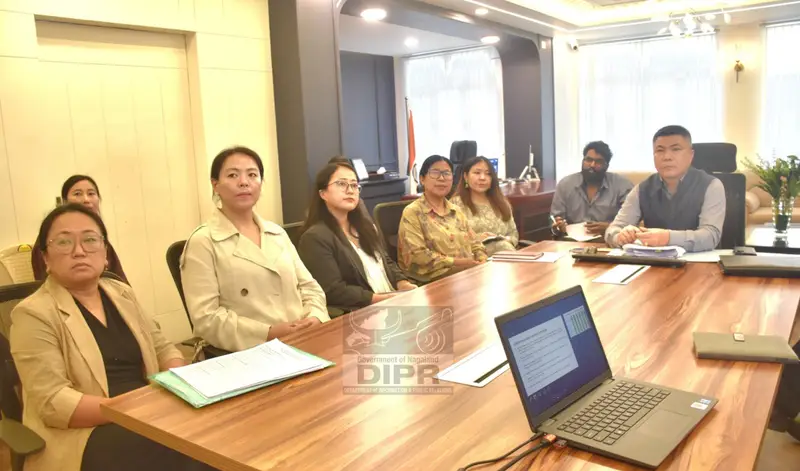
Kohima: District health authorities in Kohima reviewed the progress of immunization, child health services, HIV/AIDS awareness and tuberculosis (TB) control activities during a series of district-level meetings held on September 9, 2026.
The District Task Force for Immunization (DTFI) and the District Level TB Mukt Bharat Committee meetings were convened at the Deputy Commissioner’s Office in Kohima as part of efforts to strengthen coordination between government departments, health officials and community-level functionaries.
The meetings were chaired by Kohima Deputy Commissioner B Henok Buchem, NCS, with officials reviewing ongoing programmes, identifying implementation gaps and discussing ways to improve community participation in Public Health initiatives.
Immunization Activities Reviewed in Kohima
During the DTFI meeting, District Programme Officer for RMNCAH+N, Kohima, Dr Khrievilhou Nakhro, briefed members on the progress of immunization activities across the district.
He acknowledged the contribution of teachers, school staff and Anganwadi workers in facilitating vaccination activities, particularly in settings where coordination with families and educational institutions is essential for reaching children.
Awareness programmes have also been conducted in schools to improve understanding of vaccination and encourage participation. According to the meeting update, vaccinations were carried out with the consent of parents and teachers.
The discussion highlighted the importance of schools and community workers as key links between health authorities and families. Their involvement can help health teams communicate vaccination information, address concerns and ensure that eligible children are reached through routine immunization activities.
NCC Collaboration Discussed for Immunization Awareness
The meeting also considered collaboration with the National Cadet Corps (NCC) for immunization-related activities.
The NCC sought support from stakeholder departments to conduct activities during NCC camps. Such collaboration could provide an additional platform for health awareness and community engagement, particularly among young people.
The discussion reflects the broader need for public health programmes to involve institutions beyond the health department. Schools, Anganwadi centres, youth organisations and other community networks can play an important role in spreading accurate health information.
RBSK Programme and School Coverage Reviewed
The Rashtriya Bal Swasthya Karyakram (RBSK) was another major component of the meeting. Officials presented an update covering the programme’s key focus areas, manpower, implementation mechanism and cases that had been referred for further treatment.
RBSK is designed to support early identification and intervention for health conditions affecting children. Screening and timely referral are particularly important because health problems detected during childhood can often require specialised assessment or treatment.
The meeting also discussed schools proposed to be covered under the programme. Deputy Commissioner Buchem directed the RBSK team to coordinate with the District Education Officer (DEO), Kohima, to facilitate implementation.
The direction underlines the importance of coordination between the education and health departments when delivering school-based health services. Effective scheduling, communication with schools and cooperation from teachers and parents can help health teams conduct screening and follow-up activities more efficiently.
Child Mortality Cases Examined
Child mortality was also reviewed during the meeting, with Dr Avonu Sophie presenting two child death cases.
The cases included children affected by congenital heart disease and a case involving septicaemia leading to septic shock. The presentation provided an opportunity for officials and health professionals to examine the circumstances surrounding the deaths and consider the clinical factors involved.
Reviewing individual child death cases is an important part of understanding where gaps may exist in recognition, referral, treatment or access to appropriate healthcare. Such reviews can help health systems identify areas where earlier intervention or stronger coordination may be required.
TB Mukt Bharat Activities Also Reviewed
The District Level TB Mukt Bharat Committee meeting focused on strengthening tuberculosis control and elimination efforts in Kohima district.
District TB Officer Dr Chibenthung Kithan outlined revised operational parameters discussed during the national Pragati review. The meeting also considered ways to improve coordination at the grassroots level.
As part of the proposed coordination mechanism, Block Development Officers (BDOs) have been designated as nodal coordinators for their respective blocks. Their involvement is intended to strengthen administrative coordination and help connect TB-related activities with community-level implementation.
Youth Volunteers Proposed for TB Awareness
The committee also discussed increasing the number of volunteers involved in TB-related activities by mobilising young people through the NCC and MY Bharat platform.
Members recommended that volunteers receive appropriate technical orientation, formal certification and clear functional protocols before being inducted into the programme.
The focus on training is significant because community volunteers involved in TB awareness and mobilisation need accurate information about symptoms, screening, treatment, prevention and referral pathways. Clear responsibilities can also help ensure that volunteer-led activities complement rather than duplicate the work of health professionals.
TB Patient Support and Community Participation
The meeting examined financial and welfare mechanisms under the TB Mukt Bharat initiative, including a proposal to open a joint bank account to facilitate contributions for TB-related activities.
The account would operate with administrative sanction from the Deputy Commissioner. Buchem also recommended creating and publicising a dedicated QR code for the account to make it easier for members of the public and corporate entities to contribute.
According to the review, Kohima district currently has 342 active registered TB patients, while approximately 100 patients have been matched with community donors under the patient adoption framework. Community participation can provide additional nutritional and social support to people undergoing TB treatment.
The patient-support approach also reflects the wider understanding that TB control involves more than diagnosis and medicines. Treatment adherence, nutrition, social support and timely access to healthcare can all influence a patient’s ability to complete treatment successfully.
AI-Enabled X-Ray Equipment Faces Staffing Challenge
The committee was also informed about the deployment of AI-enabled portable X-ray equipment by the Union government to strengthen early TB detection in remote areas.
However, the full operational use of the equipment has been affected by a shortage of certified radiographers and technicians. This highlights an important challenge facing technology-driven healthcare programmes: providing equipment alone is not sufficient unless trained personnel are available to operate the systems and support diagnostic services.
For remote and hard-to-reach communities, portable diagnostic technology could potentially make screening more accessible. Ensuring adequate technical manpower will therefore remain an important part of translating such investments into effective field-level services.
Why Coordination Matters for District Health Programmes
The Kohima meetings brought together several strands of public health that depend heavily on coordination outside hospitals and health centres.
Immunization programmes require cooperation from parents, schools, teachers, Anganwadi workers and frontline health personnel. Child health initiatives similarly depend on effective links between health and education authorities. TB elimination requires coordination among health officials, district administration, local institutions, volunteers and community members.
The involvement of departments and organisations such as the Education Department, NCC and MY Bharat can therefore help extend public health initiatives beyond conventional healthcare settings.
At the same time, the discussions around child deaths and the shortage of technical staff for portable X-ray equipment demonstrate that programme implementation also requires continuous monitoring of gaps in clinical care, referral systems and human resources.
Focus on Community-Level Public Health Delivery
A common theme emerging from the Kohima review was the importance of taking healthcare programmes closer to communities.
School-based awareness and immunization activities can help health teams reach children in organised settings. Anganwadi workers provide another important community-level link, while youth volunteers can potentially support awareness and mobilisation for TB control.
Such approaches are particularly relevant for programmes where early detection, prevention and timely treatment can make a significant difference. Community participation can also help reduce misinformation and improve awareness about available government health services.
Kohima Health Review Highlights Need for Continued Monitoring
The September 9 meetings provided a platform for Kohima district authorities to assess the implementation of several major health programmes and identify areas requiring stronger coordination.
From improving immunization outreach and school coordination to reviewing child mortality cases and strengthening TB elimination efforts, the discussions covered both preventive healthcare and the management of serious health conditions.
The emphasis on collaboration with teachers, Anganwadi workers, NCC members, youth volunteers and other stakeholders also points to a broader community-based approach to public health delivery.
For Kohima, continued monitoring will be important to ensure that decisions taken at the district level translate into effective action at schools, communities and healthcare facilities. Strengthening manpower, improving referrals, supporting patients and maintaining public participation will remain central to achieving better health outcomes.
As the district continues its work on immunization, child health and TB control, closer coordination between government departments and community-level functionaries could play a crucial role in ensuring that health services reach those who need them most.
For breaking news and live news updates, like us on Facebook or follow us on Twitter and Instagram. Read more on Latest Health on thefoxdaily.com.



COMMENTS 0