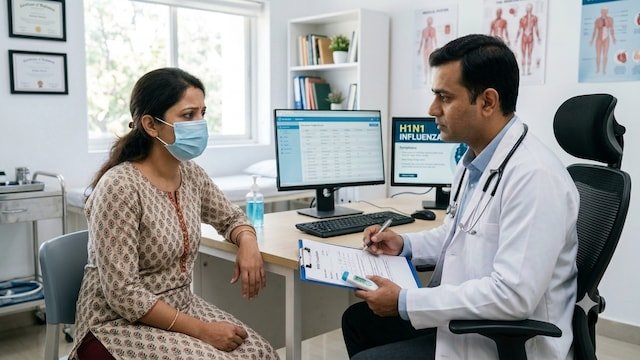
Punjab H1N1 Cases Cross 200 as First Suspected Swine Flu Death Is Reported
Punjab has reported more than 200 H1N1 cases this season, while the first suspected swine flu death has raised fresh concerns about early diagnosis, seasonal preparedness and the risks facing vulnerable patients.
Punjab’s H1N1 cases have crossed the 200 mark this season, putting seasonal influenza back in the public-health spotlight as the state also reports its first suspected swine flu death. The development is significant not simply because of the rising case count, but because influenza can move quickly from a routine respiratory illness to a serious infection in people with underlying health risks.
The latest situation is a reminder that H1N1 influenza, commonly called swine flu, should not be judged only by the number of infections. Testing capacity, how quickly patients seek medical care, the availability of antiviral treatment, hospital preparedness and protection of high-risk groups can all influence the eventual impact of an outbreak.
For residents, the immediate message is straightforward: a seasonal increase in flu-like illness does not automatically mean panic, but persistent or worsening symptoms should not be ignored. Understanding who is most vulnerable and recognizing warning signs early can be more important than focusing on the headline case number alone.
What Is Happening With H1N1 in Punjab?
Punjab has recorded more than 200 H1N1 cases during the current season, according to the latest reported situation. Alongside the rise in confirmed infections, the state has reported its first suspected death linked to swine flu this season.
The word “suspected” is important. A suspected influenza-related death is not necessarily the same as a laboratory-confirmed H1N1 death. Final classification can depend on clinical assessment, laboratory testing and an evaluation of other contributing conditions.
That distinction matters because respiratory infections can overlap in their symptoms. Fever, cough, sore throat, fatigue and body aches may occur with influenza as well as several other respiratory illnesses. Consequently, the number of people experiencing flu-like symptoms can be substantially different from the number of people confirmed to have H1N1.
Why the 200-Case Mark Matters
A case count crossing 200 is an important surveillance signal, but it should not be interpreted in isolation.
The more useful questions for public-health officials are whether infections are increasing rapidly, whether severe cases are rising, which groups are being affected, and whether hospitals are seeing more patients with influenza-related complications.
Case numbers tell us how much infection has been detected; severe illness tells us how much pressure the infection is creating.
This distinction is often missing from everyday discussions about outbreaks. A rise in testing can increase the number of identified cases without necessarily meaning that the disease has suddenly become more dangerous. Conversely, relatively modest reported case numbers can still be concerning if a significant proportion of infected people develop pneumonia or other complications.
H1N1 Explained: What Is Swine Flu?
H1N1 is a subtype of influenza A virus. The term “swine flu” became widely known after the 2009 H1N1 pandemic, although H1N1 viruses are now part of the broader landscape of seasonal influenza.
Influenza viruses primarily spread through respiratory particles and droplets produced when an infected person coughs, sneezes or talks. Transmission can also occur when contaminated hands or surfaces contribute to the movement of the virus to the nose, mouth or eyes.
Many people with uncomplicated influenza recover with supportive care. However, influenza can become serious, particularly among people whose immune systems or respiratory and cardiovascular health make it harder to cope with infection.
Who Is Most Vulnerable to Severe H1N1?
Although otherwise healthy adults can also develop serious illness, some groups are generally at higher risk of influenza complications.
- Young children, particularly very young children, may be more vulnerable to complications.
- Older adults can face a greater risk of severe respiratory illness.
- Pregnant women require particular attention because pregnancy can increase the risk of complications from influenza.
- People with chronic respiratory conditions may experience worsening breathing problems after an influenza infection.
- People with heart disease can face increased risks from serious influenza infection.
- People with diabetes and certain other long-term conditions may also be more vulnerable to complications.
- People with weakened immune systems can have greater difficulty fighting infections.
This is why the public-health response should focus not only on preventing transmission but also on identifying vulnerable patients before a respiratory infection becomes severe.
Common H1N1 Symptoms to Watch For
H1N1 infection can resemble other forms of seasonal influenza. Symptoms may appear suddenly and can include fever, cough, sore throat, body aches, headache, chills, fatigue and weakness.
Some patients may also experience gastrointestinal symptoms such as nausea, vomiting or diarrhoea, although these are not present in everyone.
The important point is that symptoms alone cannot reliably confirm H1N1. A healthcare professional may consider the patient’s symptoms, medical history, exposure risk and the local influenza situation before deciding whether testing or specific treatment is appropriate.
When Flu Symptoms Become a Warning Sign
Most influenza infections do not require hospitalization. However, worsening symptoms can signal that medical evaluation is needed.
- Difficulty breathing or shortness of breath
- Chest pain or persistent pressure
- Confusion, unusual drowsiness or difficulty staying awake
- Severe weakness or sudden deterioration
- Signs of dehydration
- Persistent or worsening fever
- Symptoms that improve and then suddenly become worse
For children, parents and caregivers should pay particular attention to breathing difficulties, unusual sleepiness, poor fluid intake and other signs of significant deterioration.
People in high-risk groups should seek medical advice early rather than waiting for symptoms to become severe.
Why Early Treatment Can Matter
One of the most important lessons from influenza management is that timing can matter. Antiviral medicines may be recommended by clinicians for certain patients, particularly those who are severely ill or at increased risk of complications.
Antiviral treatment is not the same as taking antibiotics. Influenza is caused by a virus, while antibiotics target bacterial infections. Antibiotics therefore do not directly treat H1N1 influenza.
This difference is particularly important because unnecessary antibiotic use can contribute to antimicrobial resistance while delaying appropriate medical management.
People should not self-medicate with prescription medicines simply because they suspect swine flu. Treatment decisions should be made by a qualified healthcare professional based on the patient’s condition and risk profile.
H1N1 and Pneumonia: Why Severe Cases Become Dangerous
One of the major concerns with severe influenza is its potential to affect the lower respiratory tract.
Influenza can contribute to viral pneumonia or make a person more susceptible to secondary bacterial infections. In severe cases, inflammation and impaired lung function can make it difficult for the body to obtain enough oxygen.
This explains why the transition from a seemingly ordinary flu to severe respiratory disease can sometimes occur quickly, especially among people already vulnerable to complications.
Punjab’s Situation: Why Vigilance Matters Now
The combination of more than 200 reported H1N1 cases and a first suspected seasonal death provides a reason for increased vigilance without creating unnecessary alarm.
The real test for the state’s health system is not simply whether the case count continues to rise. It is whether health authorities can detect severe infections early, communicate reliable information to the public and ensure that patients who need hospital-level care receive it promptly.
For hospitals and healthcare workers, seasonal influenza can create pressure beyond the number of confirmed H1N1 cases. Patients with respiratory symptoms may require evaluation for multiple possible infections, while vulnerable patients may need closer monitoring.
For families, the implications are more practical: recognize symptoms, avoid exposing others when sick, maintain good respiratory hygiene and seek medical care when warning signs appear.
Prevention: Simple Measures Still Matter
There is no complicated secret to reducing the spread of influenza. Basic infection-control measures remain important.
- Cover your mouth and nose when coughing or sneezing.
- Wash your hands regularly with soap and water.
- Avoid close contact with people who are unwell when possible.
- If you are sick, limit unnecessary contact with others.
- Improve ventilation in crowded indoor spaces.
- Avoid touching your eyes, nose and mouth with unwashed hands.
- Follow medical advice if you develop significant or worsening symptoms.
Vaccination is another important tool for influenza prevention. People who are recommended for seasonal influenza vaccination should discuss it with a healthcare professional, particularly if they belong to a higher-risk group.
H1N1 Prevention Is More Than Avoiding Infection
A useful way to understand influenza preparedness is to divide prevention into three layers: prevent infection, recognize illness early and prevent complications.
The first layer includes vaccination, hygiene and reducing exposure. The second involves recognizing concerning symptoms and obtaining medical advice at the right time. The third involves appropriate clinical treatment and monitoring for patients who develop severe disease.
This three-layer approach is more useful than simply telling people to “be careful,” because it shows what individuals, families and healthcare systems can actually do.
H1N1 Cases vs Severe Disease: What Should People Watch?
| Indicator | What It Can Tell Us | Why It Matters |
|---|---|---|
| Confirmed H1N1 cases | Shows detected infections | Helps track transmission and surveillance trends |
| Hospital admissions | Shows the burden of more serious illness | Helps indicate pressure on healthcare facilities |
| Severe respiratory cases | Shows complications affecting the lungs or overall health | Can signal a greater clinical threat |
| Deaths | Shows the most serious outcomes | Helps assess the impact of severe disease |
| High-risk patient numbers | Shows how many vulnerable people may require additional protection | Useful for targeted prevention and early treatment |
The Bigger Lesson From Punjab’s Rising H1N1 Count
The most important insight is that an outbreak should not be measured by confirmed cases alone.
Suppose two regions report the same number of influenza infections. In one region, most patients recover at home. In the other, hospitals are seeing a substantial increase in severe pneumonia and intensive-care demand. The headline case number would look identical, but the public-health situation would be completely different.
This is why surveillance systems typically look at multiple indicators rather than relying on a single number.
For Punjab, the coming period will therefore be important for determining whether the current increase remains manageable or develops into a broader wave of respiratory illness. Trends in hospitalizations, severe disease and deaths will provide a more meaningful picture of the situation than the 200-case milestone by itself.
What Families in Punjab Should Do
There is no need for people to treat every cough or fever as H1N1. At the same time, dismissing persistent or worsening respiratory symptoms as “just flu” can be risky.
Families should pay particular attention when a person is very young, elderly, pregnant or living with a condition that increases the risk of complications. Such patients may benefit from earlier medical assessment.
People who develop severe breathing difficulty, chest pain, confusion, significant dehydration or rapid deterioration should seek urgent medical attention rather than relying solely on home remedies.
What Could Happen Next?
The future trajectory of Punjab’s H1N1 situation will depend on several factors, including transmission patterns, seasonal influenza activity, the characteristics of circulating viruses, public-health measures and the vulnerability of affected populations.
The most reasonable outlook is continued monitoring rather than either complacency or panic. If cases rise but severe illness remains limited, the healthcare impact may remain manageable. If hospitalizations and severe respiratory complications begin increasing alongside infections, the situation would warrant greater concern.
This makes timely reporting and transparent surveillance particularly valuable. Accurate information allows residents to make sensible decisions while helping healthcare systems prepare for potential increases in demand.
Conclusion: Punjab’s H1N1 Rise Calls for Vigilance, Not Panic
Punjab crossing 200 H1N1 cases and reporting its first suspected swine flu death of the season is an important public-health warning. It does not mean that every influenza infection will become dangerous, but it does reinforce the need for awareness and early medical attention when symptoms become severe.
The biggest mistake would be to view the situation through a single number. Confirmed cases matter, but hospitalizations, severe respiratory disease and outcomes among vulnerable groups provide a clearer picture of the real impact.
For residents, the best response is practical: maintain respiratory hygiene, avoid unnecessary exposure when ill, consider recommended influenza vaccination, protect vulnerable family members and seek medical advice promptly when warning signs appear.
Punjab’s H1N1 situation deserves attention because early action can make the difference between an illness that remains manageable and one that progresses to serious complications.
For breaking news and live news updates, like us on Facebook or follow us on Twitter and Instagram. Read more on Latest Health on thefoxdaily.com.



COMMENTS 0