Supreme Court Questions COVID-Era Drug Approvals Five Years Later: What Is the Case About?
Five years after India’s devastating second COVID-19 wave, the Supreme Court is examining whether emergency drug permissions granted during the pandemic were allowed to continue beyond their intended period. The case centres on the alleged manufacture and sale of liposomal amphotericin B, an injectable antifungal used to treat serious fungal infections, including mucormycosis, commonly known as black fungus.
At the heart of the dispute is a fundamental regulatory question: Can pharmaceutical companies continue manufacturing and selling a drug under temporary emergency permissions after those permissions expire, without obtaining the necessary regular approvals?
During the pandemic, India introduced emergency measures to improve the availability of essential medicines as hospitals faced shortages and patients required urgent treatment. However, emergency authorisations are intended to address exceptional circumstances, not automatically replace the country’s regular drug approval and licensing requirements.
During a hearing on October 27, the Supreme Court questioned the Centre and the Drug Controller General of India (DCGI) over alleged delays in acting against companies whose emergency permissions had expired. The bench also examined why show-cause notices were issued only in February 2026, despite the alleged continuation of sales under the disputed permissions.
The court’s scrutiny raises broader questions about Pharmaceutical Regulation, accountability and the transition from emergency measures to routine oversight. However, the proceedings have not resulted in a blanket withdrawal of liposomal amphotericin B or a final determination that every company named in the case violated the law.
Why Is the Supreme Court Questioning COVID-Era Drug Approvals?
The Supreme Court’s concern centres on the alleged continuation of commercial manufacturing and sales under emergency permissions that had expired.
Emergency authorisations may help authorities respond quickly when an unexpected public health crisis creates an urgent need for medicines. However, such permissions generally operate under specific conditions, including limits on their validity and requirements that manufacturers must meet.
The dispute concerns companies allegedly continuing to manufacture and sell liposomal amphotericin B after their emergency permissions expired, without obtaining the necessary regular clearances or meeting applicable regulatory requirements.
During the October 27 hearing, a bench comprising Justices Vikram Nath, Sandeep Mehta and Aparesh Kumar Singh questioned what regulatory officials had been doing during the preceding five years while the drug was allegedly being sold under expired permissions.
The judges expressed strong concern about the delay in regulatory action. The court also noted that show-cause notices were issued to companies only in February 2026, after judicial intervention.
Although the companies responded to the notices, the matter remained pending before the competent authorities. In April 2026, the court directed officials to decide the notices within two months.
The case therefore concerns not only the status of the drug approvals but also whether regulators adequately monitored the permissions, tracked their expiry dates and ensured that manufacturers obtained the required authorisations to continue operations.
What Is Liposomal Amphotericin B and Why Was It Needed During COVID-19?
Liposomal amphotericin B is an injectable antifungal medicine used to treat serious fungal infections. It became particularly important in India during the second wave of COVID-19 in 2021, when cases of mucormycosis increased.
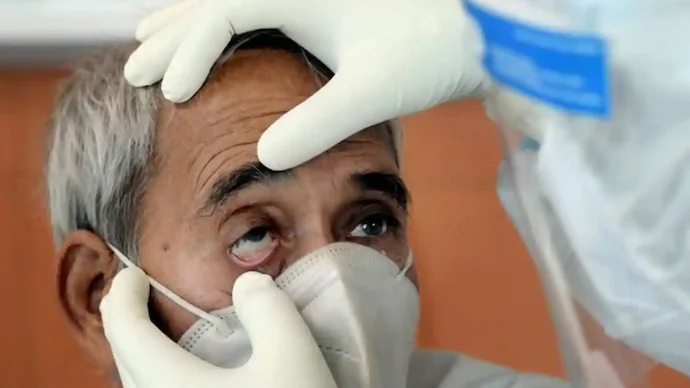
Mucormycosis, commonly called black fungus, is a potentially life-threatening fungal infection. It can affect different parts of the body, including the sinuses, eyes and lungs, and may spread to other tissues.
People with diabetes, weakened immune systems and certain other risk factors can be particularly vulnerable.
During the second COVID-19 wave, hospitals faced an increase in mucormycosis cases alongside the broader strain on healthcare services. Demand for antifungal medicines rose, and shortages created pressure on the government to increase supplies quickly.
The government responded by using emergency regulatory measures to help make the medicine available.
While these measures addressed an urgent public health need, the current proceedings examine whether some manufacturers continued relying on emergency permissions after their validity ended.
The distinction matters because the need for a medicine during a crisis does not automatically settle whether a manufacturer remains authorised to produce and sell it once the emergency arrangements expire.
How Were Emergency Drug Permissions Granted During the Pandemic?
During the pandemic, the Centre invoked Section 26B of the Drugs and Cosmetics Act, 1940, to help make the medicine available through emergency permissions.
The provision allows the government, in specified circumstances, to regulate or restrict the manufacture, sale or distribution of drugs when necessary in the public interest. The action taken during the pandemic was intended to address an exceptional situation involving urgent medical needs and shortages.
Emergency measures can provide flexibility when the usual regulatory process may not be sufficient to meet an immediate public health requirement. However, the conditions attached to an emergency permission remain important.
The current dispute focuses on whether companies continued to manufacture and sell the drug after the permissions expired without securing the required regular clearances or complying with applicable requirements.
Emergency Permission Versus Regular Manufacturing Licence
An emergency permission and a regular manufacturing licence serve different regulatory purposes.
An emergency permission is granted in response to particular circumstances and may be subject to specific conditions and a defined period of validity. A regular manufacturing licence, by contrast, operates under the applicable requirements governing the manufacture and sale of the medicine.
The expiration of an emergency permission does not necessarily mean that every company selling the medicine is operating unlawfully. A manufacturer may hold an independent licence that predates the emergency arrangement.
Consequently, the regulatory status of each company must be assessed individually.
This distinction became important during the Supreme Court proceedings, as the bench considered which companies should remain parties to the case and which had independent licences or had not received the disputed notices.
Why Is the DCGI Under Scrutiny?
The Drug Controller General of India heads the central drug regulatory system under the Central Drugs Standard Control Organisation (CDSCO).
The CDSCO oversees specified categories of drugs and regulatory activities, including new drugs and clinical trials. Drug manufacturing licences and enforcement responsibilities are shared with state drug authorities, depending on the relevant legal and regulatory requirements.
In the current case, the Supreme Court is examining whether the regulatory system adequately monitored the conditions attached to emergency permissions and ensured that companies complied with the applicable requirements after those permissions expired.
The timing of the show-cause notices has emerged as a major point of concern.
According to the proceedings, notices were issued in February 2026, years after the emergency permissions had been granted during the pandemic. The companies responded, but the decisions remained pending before the competent authorities.
The court subsequently directed officials in April 2026 to decide the notices within two months.
The questions raised by the bench highlight the importance of timely enforcement. Regulatory permissions are meaningful only if the authorities monitor compliance and respond appropriately when conditions are allegedly breached.
At the same time, the legal status of individual manufacturers must be determined on the basis of their licences, the permissions they received and the specific allegations against them.
Which Pharmaceutical Companies Are Named in the Case?
Several pharmaceutical companies have been mentioned in the proceedings concerning emergency permissions for liposomal amphotericin B.
These include:
-
Sun Pharmaceutical Industries
-
Emcure Pharmaceuticals
-
Gufic Biosciences
-
Alembic Pharmaceuticals
-
Lyka Labs
-
Natco Pharmaceuticals
-
Intas Pharmaceuticals
The court also considered the position of Cipla, Bharat Serums and Vaccines, BDR Pharmaceuticals International and Lifecare Innovations.
According to the supplied case details, these four companies were removed from the list of parties because they held licences predating the pandemic and had not received show-cause notices.
Sun Pharma’s request to be removed from the proceedings was rejected because a notice had been issued to the company.
These procedural decisions should not be interpreted as a final determination of the legal position of every manufacturer. The existence of a company in the proceedings, or its removal from the list of parties, does not by itself establish wrongdoing.
Each manufacturer’s status depends on its specific authorisations, the conditions applicable to those authorisations and the regulatory record.
What Did the Supreme Court Say About Regulatory Delays?
The bench expressed strong displeasure over the time taken by authorities to address the alleged continuation of manufacturing and sales under expired emergency permissions.
During the October 27 hearing, the judges questioned why action had taken so long and raised concerns about the possibility that the regulatory system had failed to respond adequately.
The court’s criticism focused on the apparent gap between the expiry of the emergency permissions and the issuance of show-cause notices in February 2026.
The case also highlights a broader administrative challenge: emergency arrangements must be reviewed when the circumstances that justified them change.
A temporary relaxation should not become a substitute for regular regulatory scrutiny simply because the medicine remains in demand or because the emergency arrangements were introduced during an exceptional period.
However, determining whether a particular company violated the applicable requirements requires an examination of its individual licence status and the facts of its case.
The court has reserved its order, and the final outcome will determine what further directions, if any, are necessary.
What Happens Next in the Supreme Court Case?
The Supreme Court has reserved its order and indicated that any directions may apply across the board to companies granted emergency licences without the requisite trials during the COVID-19 period.
This means the implications could extend beyond the manufacturers specifically named in the proceedings.
The court has not ordered a blanket withdrawal of liposomal amphotericin B. Nor has it made a final finding that every company’s manufacture and sale of the medicine was unlawful.
The next steps will depend on the court’s order and the decisions taken by the competent regulatory authorities.
The authorities may need to examine the relevant permissions, the conditions attached to them, their validity periods and whether manufacturers obtained the necessary approvals to continue production and sales.
The outcome could also clarify how regulators should handle similar situations involving emergency authorisations introduced during public health crises.
For pharmaceutical companies, the case highlights the importance of tracking authorisation deadlines and meeting the applicable requirements when temporary permissions expire.
For regulators, it raises questions about monitoring, enforcement and the need to close out emergency arrangements in a timely manner.
What Does the Case Mean for Drug Regulation in India?
The proceedings highlight a central challenge in pharmaceutical regulation: balancing the need for speed during a crisis with the need for continued oversight once the immediate emergency has passed.
During a public health emergency, delays in making essential medicines available can have serious consequences. Authorities may therefore need to introduce exceptional measures to address shortages and urgent medical needs.
However, emergency flexibility must operate alongside appropriate safeguards.
Once the immediate crisis has passed, regulators need to establish whether manufacturers must transition to regular licences, meet additional requirements or stop relying on temporary permissions.
A pharmacologist with previous experience at the CDSCO, quoted in the supplied report, emphasised that crisis-era relaxations need a defined end point, compliance checks and a transition to regular licensing.
The case also underlines why regulatory decisions must be based on the individual circumstances of each manufacturer. Companies with valid pre-existing licences may be in a different position from those relying solely on expired emergency permissions.
Ultimately, the proceedings could reinforce the principle that emergency approvals are not a permanent substitute for routine regulatory oversight.
The Bottom Line
The Supreme Court’s examination of COVID-era drug approvals centres on allegations that certain manufacturers continued producing and selling liposomal amphotericin B under emergency permissions after they expired.
The medicine became particularly important during India’s second COVID-19 wave in 2021, when mucormycosis cases increased and supplies came under pressure. Emergency measures helped address the urgent need, but the current dispute concerns whether the applicable regulatory requirements were followed after those permissions ended.
The court has questioned the delay in issuing show-cause notices, examined the status of individual manufacturers and reserved its order. It has not ordered a blanket withdrawal of the medicine or made a final finding against every company named in the case.
The wider issue is how India ensures that temporary drug approvals remain temporary, that regulatory conditions are monitored and that companies move to the appropriate authorisation process when emergency arrangements expire.
The outcome could have implications for the oversight of medicines approved or supplied through emergency mechanisms during future public health crises.
This article is based on the supplied account of the court proceedings. The final legal position will depend on the Supreme Court’s order and subsequent regulatory decisions.
For breaking news and live news updates, like us on Facebook or follow us on Twitter and Instagram. Read more on Latest Health on thefoxdaily.com.





COMMENTS 0