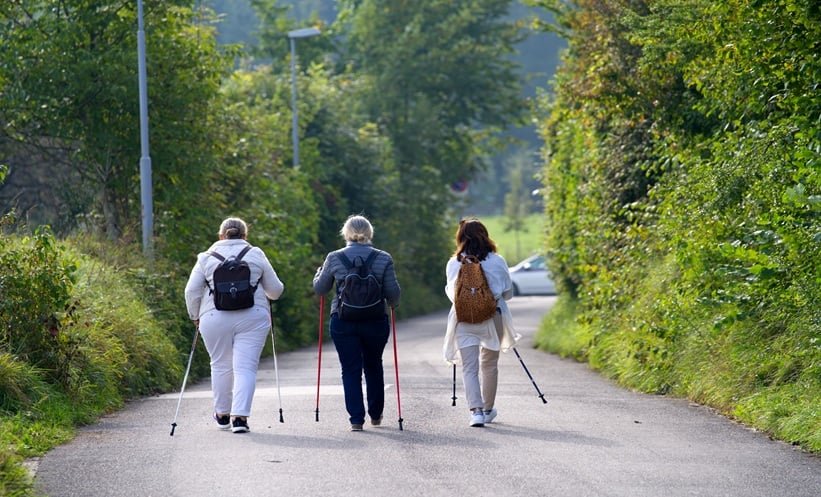
For decades, heart Health advice has focused on people in their 30s, 40s, and 50s. But new evidence is challenging that narrative. A major study of adults aged 75 years and older shows that an unhealthy lifestyle still significantly increases cardiovascular disease (CVD) risk—even in later life.
The findings are striking: as unhealthy behaviours accumulate, the incidence of cardiovascular disease climbs steadily—from 17.09 to 30.64 cases per 1,000 person-years. In simple terms, lifestyle choices continue to matter, no matter your age.
Introduction: The 5W1H of Lifestyle and Heart Risk After 75
Who: 869,781 adults aged 75+ without prior cardiovascular disease.
What: A nationwide cohort study examining lifestyle and CVD risk.
When: Over an average follow-up of 6.7 years.
Where: Large-scale population-based analysis.
Why: To understand whether lifestyle changes still impact heart health in older age.
How: By assigning an “unhealthy lifestyle score” based on smoking, alcohol use, and physical inactivity.
The conclusion is clear: healthy habits are not just for the young—they are crucial at every stage of life.
Understanding Cardiovascular Disease in Older Adults
Cardiovascular disease remains one of the leading causes of death globally, particularly among older adults. It includes conditions such as:
- Heart attacks (myocardial infarction)
- Stroke
- Coronary artery disease
As people age, natural changes—like stiffening arteries and slower metabolism—already increase risk. When combined with unhealthy habits, the impact becomes significantly more severe.
Breaking Down the Study: What the Numbers Reveal
The scale of this research adds weight to its conclusions. Nearly 870,000 participants were followed over several years, making it one of the most comprehensive analyses of its kind.
Key Findings
- 120,353 cardiovascular events recorded
- 55,117 heart attacks
- 74,001 strokes
- Average follow-up period: 6.7 years
Participants were scored based on three behaviours:
- Smoking
- Heavy alcohol consumption
- Lack of regular physical activity
Cardiovascular Risk by Lifestyle Score
| Unhealthy Lifestyle Score | CVD Incidence (per 1,000 person-years) | Risk Level |
|---|---|---|
| 0 (Healthy) | 17.09 | Lowest risk |
| 1 | 20.64 | Moderate increase |
| 2 | 28.80 | High risk |
| 3 (All factors) | 30.64 | Highest risk |
The pattern is unmistakable: each additional unhealthy habit significantly increases cardiovascular risk.
Why This Matters: Debunking a Common Myth
There’s a widespread belief that lifestyle changes have limited impact after a certain age. This study directly challenges that assumption.
Myth vs Reality
- Myth: “It’s too late to change after 75.”
- Reality: Even small improvements can lower risk and improve quality of life.
In fact, older adults may benefit more immediately from lifestyle changes, as the body responds quickly to reduced strain and improved circulation.
Deep Insight: Why Lifestyle Still Drives Risk in Later Life
1. Cumulative Damage
Years of unhealthy habits can weaken the cardiovascular system. Continuing those behaviours accelerates decline.
2. Reduced Physiological Resilience
Ageing bodies have less capacity to recover from stressors like smoking or inactivity, making harmful habits more impactful.
3. Compounding Risk Factors
Conditions such as diabetes, hypertension, and high cholesterol are more common after 75—and lifestyle choices can worsen them.
Comparison: Healthy vs Unhealthy Lifestyle After 75
| Factor | Healthy Lifestyle | Unhealthy Lifestyle |
|---|---|---|
| Heart Health | Better circulation | Increased plaque buildup |
| Mobility | Improved strength and balance | Higher risk of frailty |
| Mental Well-being | Better cognitive function | Higher risk of decline |
| Longevity | Higher life expectancy | Increased mortality risk |
Real-World Impact: What Older Adults Can Do Today
The good news? It’s never too late to make meaningful changes.
Actionable Steps
- Quit smoking: Reduces heart risk almost immediately
- Stay active: Even light walking improves cardiovascular health
- Moderate alcohol intake: Helps reduce strain on the heart
- Regular check-ups: Early detection of risk factors
Even modest improvements—like a daily 20-minute walk—can have measurable benefits.
Expert-Level Perspective: Prevention Beyond Midlife
Public health strategies have long focused on younger populations, but this study suggests a need to rethink prevention strategies.
Key Implications
- Healthcare systems should promote lifestyle interventions for seniors
- Community programs can encourage physical activity in older adults
- Policy efforts should include age-inclusive health campaigns
In other words, healthy ageing is not passive—it requires active support and engagement.
Prediction: A Shift Toward “Late-Life Prevention”
As global populations age, the focus of healthcare is likely to shift toward preventive care in older adults.
We may soon see:
- More targeted fitness programs for seniors
- Increased funding for geriatric preventive care
- Greater emphasis on lifestyle counselling in primary care
This study could serve as a catalyst for that transformation.
Conclusion: It’s Never Too Late to Protect Your Heart
The message from this research is both clear and empowering: lifestyle choices continue to shape cardiovascular health—even after 75.
While ageing is inevitable, the way we age is not entirely out of our control. By quitting smoking, staying active, and making mindful choices, older adults can significantly reduce their risk of heart disease.
In a world where longevity is increasing, the goal is no longer just to live longer—but to live healthier, stronger, and more independently. And that journey can begin at any age.
For breaking news and live news updates, like us on Facebook or follow us on Twitter and Instagram. Read more on Latest Health on thefoxdaily.com.






COMMENTS 0