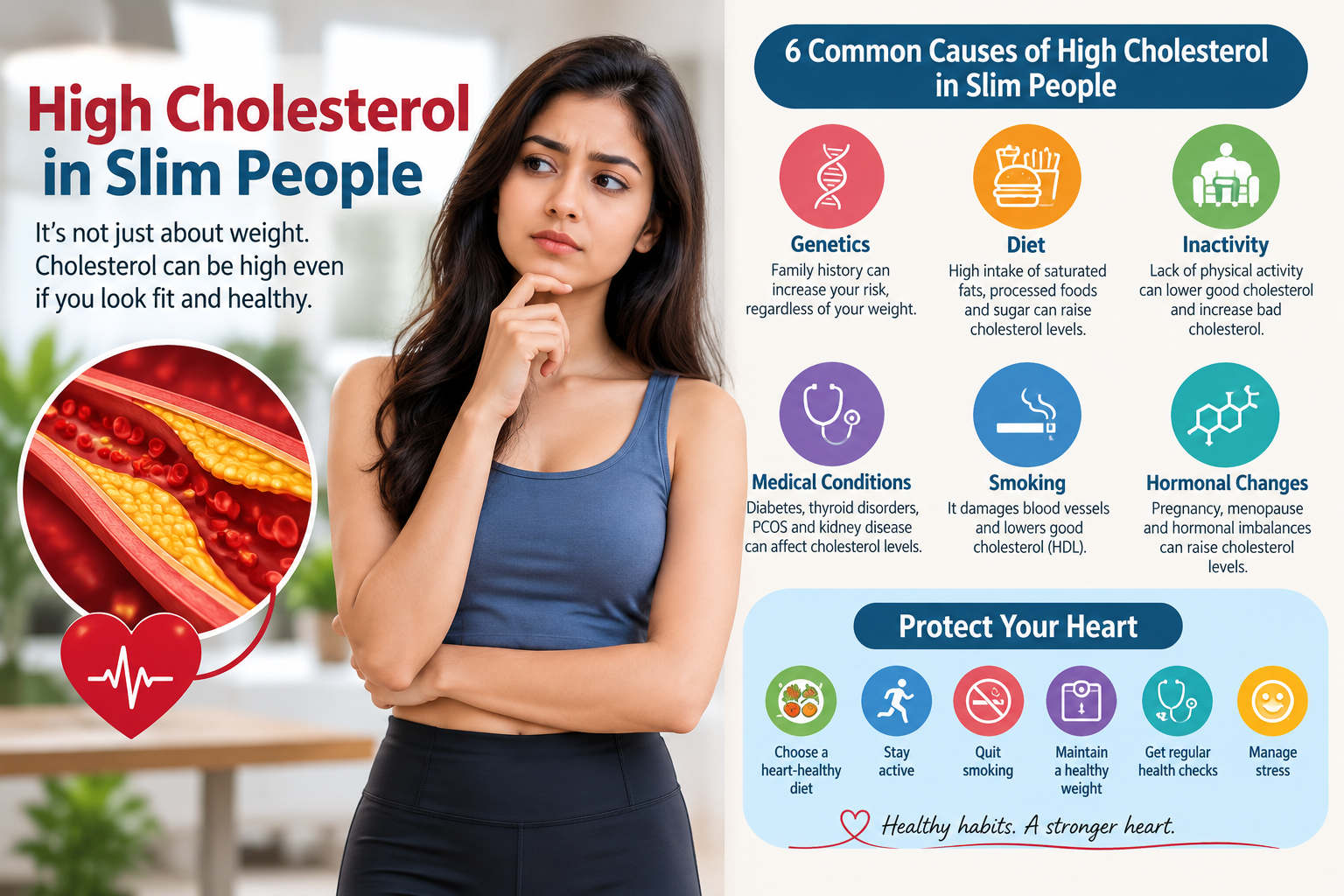
Maintaining a healthy weight is often considered an important step towards protecting the heart. However, body weight alone cannot determine whether someone has healthy Cholesterol levels. Even people who are slim, exercise occasionally and appear physically fit can have elevated low-density lipoprotein (LDL), commonly known as bad cholesterol.
This happens because cholesterol levels are influenced by several factors, including inherited genes, food choices, physical activity, metabolic health and hormonal changes. Some of these factors can affect cholesterol even when a person’s weight remains stable.
Dr Punya Pratap Kujur, Consultant Cardiologist at Gleneagles Hospital, Parel, Mumbai, explains that high cholesterol is not exclusively a concern for people who are overweight. Understanding the underlying causes is essential because persistently elevated LDL cholesterol can contribute to plaque buildup inside arteries, increasing the risk of cardiovascular disease over time.
For people who have always associated cholesterol problems with excess weight, the key takeaway is straightforward: looking healthy does not necessarily mean your cholesterol is under control. A blood test, an assessment of personal risk factors and appropriate medical advice provide a more reliable picture of Heart Health.
Can Thin People Have High Cholesterol?
Yes. People with a normal or low body weight can have high cholesterol, including elevated LDL cholesterol. Although excess weight can contribute to an unhealthy lipid profile, it is only one of several factors that determine cholesterol levels.
Cholesterol is a waxy, fat-like substance that the body needs to build cells and produce certain hormones. The liver produces cholesterol, while additional amounts can enter the body through food. Because cholesterol does not dissolve easily in blood, it travels through the bloodstream in particles called lipoproteins.
Two important components measured in a lipid profile are LDL and high-density lipoprotein (HDL). LDL carries cholesterol to tissues, but excessive levels can contribute to plaque accumulation in artery walls. HDL helps transport cholesterol back to the liver for processing and removal.
Triglycerides, another type of fat measured in blood tests, also provide useful information about metabolic and cardiovascular health.
A person’s weight does not reveal how these different components are functioning. Someone who is slim may have inherited high LDL cholesterol, consume substantial amounts of saturated fat or have an underlying condition that affects lipid metabolism.
This is why cholesterol testing is useful even for people who do not have an obvious weight-related risk factor.
6 Reasons Your Cholesterol May Be High Even If You Are Slim
1. Genetics and Family History Can Play a Major Role
One of the most important explanations for high cholesterol in otherwise healthy-looking people is genetics. Some individuals inherit genes that affect how their bodies produce, transport or remove cholesterol from the bloodstream.
A condition called familial hypercholesterolemia (FH) is a particularly important example. It can cause significantly elevated LDL cholesterol from an early age, regardless of body weight, eating habits or exercise routine.
People with familial hypercholesterolemia may feel completely healthy because high cholesterol generally does not cause noticeable symptoms. However, prolonged exposure to elevated LDL can increase the risk of developing coronary artery disease earlier than expected.
Family history can provide an important clue. If a parent, sibling or other close relative has very high cholesterol or developed cardiovascular disease at a relatively young age, discussing cholesterol screening with a healthcare professional is sensible.
Some people with inherited cholesterol disorders develop visible signs, such as fatty deposits around the eyes or cholesterol deposits in certain tendons. However, these features are not present in everyone, so their absence does not rule out an inherited condition.
What you should do: Tell your doctor about any family history of high cholesterol or premature heart disease. Depending on your results and family history, your doctor may recommend additional assessment, testing for familial hypercholesterolemia or screening of close relatives.
2. Eating Too Much Saturated Fat Despite Maintaining a Healthy Weight
Being slim does not automatically mean that your diet supports healthy cholesterol levels. Food choices can influence LDL cholesterol independently of how much a person weighs.
Butter, ghee, fatty cuts of meat and some processed foods contain substantial amounts of saturated fat. Regularly consuming too much saturated fat can raise LDL cholesterol in many people, although individual responses vary.
This can be particularly relevant for people who eat calorie-dense foods but remain slim because of their overall energy intake, activity levels or individual metabolism. Their weight may remain stable even when their diet contains more saturated fat than is advisable for cardiovascular health.
It is also important to distinguish between body weight and nutritional quality. A person can consume enough calories to maintain a low body weight while eating relatively few vegetables, whole grains, pulses and other fibre-rich foods.
Soluble fibre, found in foods such as oats, beans and certain fruits, can help reduce LDL cholesterol by limiting the absorption of cholesterol in the digestive system and supporting its removal from the body.
Replacing some foods rich in saturated fat with sources of unsaturated fat, such as nuts, seeds and appropriate vegetable oils, can also support a healthier lipid profile.
What you should do: Review your usual eating habits rather than focusing exclusively on calories. Include vegetables, fruits, whole grains and pulses regularly, and reduce excessive saturated fat. A healthy diet should be sustainable and balanced, not simply designed to keep body weight low.
3. A Slim Lifestyle Can Still Be Physically Inactive
Body weight and physical fitness are not interchangeable. Someone may be naturally slim but spend most of the day sitting at a desk, travelling in a vehicle or relaxing without getting enough regular exercise.
Physical inactivity can affect cardiovascular health and the body’s handling of blood fats. Regular physical activity generally helps improve triglyceride levels, supports cardiovascular fitness and can contribute to healthier cholesterol patterns.
Exercise may also help raise HDL cholesterol in some people, although the response varies and changes in HDL alone do not fully determine cardiovascular risk.
The distinction matters because a person who does not gain weight easily may assume that exercise is unnecessary. In reality, physical activity supports heart health through benefits that go beyond weight management.
Walking, cycling, swimming and other aerobic activities can form part of a practical exercise routine. Strength training can complement aerobic exercise by supporting muscle strength and overall physical function.
For adults, a commonly recommended target is at least 150 minutes of moderate-intensity aerobic activity each week, alongside muscle-strengthening activities on two or more days, provided these activities are appropriate for their health and abilities.
People who currently exercise very little can begin gradually and increase their activity over time.
What you should do: Avoid using the weighing scale as your main measure of fitness. Look at how much you move during the day, whether you exercise regularly and whether you spend long periods sitting. If you have an existing medical condition or symptoms during exercise, seek appropriate medical advice before increasing activity.
4. Underlying Medical Conditions May Affect Cholesterol Levels
Sometimes, high cholesterol is a sign that another health condition needs attention. Certain medical disorders can change how the body produces, processes or removes cholesterol, even when a person’s weight appears healthy.
Hypothyroidism
Hypothyroidism occurs when the thyroid gland does not produce enough thyroid hormones. These hormones influence several metabolic processes, including the body’s ability to clear LDL cholesterol from the bloodstream.
When thyroid function is reduced, LDL cholesterol may rise. Depending on the severity of the condition, a person may also experience fatigue, sensitivity to cold, constipation or other symptoms. However, symptoms alone cannot establish whether thyroid function is abnormal.
Diabetes and Metabolic Health
Diabetes can affect the way the body handles fats. Some people with diabetes develop a lipid pattern involving elevated triglycerides, reduced HDL cholesterol and changes in LDL particles.
These abnormalities can occur in people who are not overweight. Consequently, a slim appearance does not exclude diabetes or other metabolic problems.
Other conditions, including certain kidney and liver disorders, can also affect cholesterol levels. Some medicines may influence blood lipids as well.
If cholesterol levels are unexpectedly high, a healthcare professional may review your medical history, current medicines and other risk factors before deciding whether additional tests are needed.
What you should do: Do not assume that an unusual cholesterol result is caused only by your diet. Depending on your medical history, your doctor may recommend tests such as thyroid function testing, blood glucose assessment or investigations for other underlying conditions.
5. Smoking and Excessive Alcohol Consumption Can Affect Blood Lipids
Smoking and excessive alcohol consumption can undermine cardiovascular health, even in people who maintain a healthy body weight.
Smoking damages blood vessels and is associated with lower HDL cholesterol. It also promotes processes that make arteries more vulnerable to cardiovascular disease. This means the risks of smoking extend beyond the numbers shown on a cholesterol report.
Alcohol affects blood lipids differently. Excessive consumption can increase triglyceride levels, particularly in susceptible individuals. Very high triglyceride levels can create additional health risks, including an increased risk of acute pancreatitis.
It is worth remembering that cholesterol is only one part of the cardiovascular risk picture. Blood pressure, blood glucose, smoking status and family history also matter.
A person who is slim but smokes may therefore face significant cardiovascular risks even if some cholesterol measurements fall within their laboratory’s reference range.
Similarly, a favourable HDL result does not cancel out the risks associated with smoking, persistently elevated LDL or excessive alcohol intake.
What you should do: Avoid tobacco and seek support if you need help quitting. If you drink alcohol, discuss your consumption with a healthcare professional, particularly if your triglyceride levels are elevated. Do not start drinking alcohol in an attempt to improve HDL cholesterol.
6. Hormonal Changes, Particularly Menopause, Can Raise Cholesterol
Cholesterol levels can change throughout life, and hormonal changes may contribute to these shifts. Menopause is one important example, particularly for women who have maintained a relatively stable weight and lifestyle for years.
Oestrogen influences several aspects of lipid metabolism. During the menopausal transition, declining oestrogen levels can contribute to changes in cholesterol patterns, including an increase in LDL cholesterol in some women.
These changes do not necessarily mean that a person has developed unhealthy habits or gained excess weight. They reflect the fact that cardiovascular risk factors can evolve as the body changes with age and hormonal status.
However, menopause does not affect everyone in the same way. Cholesterol levels are also influenced by genetics, diet, thyroid function, physical activity and other medical factors.
For this reason, an increase in cholesterol during midlife should be assessed rather than automatically attributed to hormonal changes.
What you should do: Discuss appropriate cholesterol screening with your doctor, especially if you are approaching or have passed menopause and have additional cardiovascular risk factors. If your results change substantially, your healthcare professional can help determine whether lifestyle measures, further testing or treatment are appropriate.
Can You Tell If Your Cholesterol Is High Without a Blood Test?
In most cases, no. High cholesterol usually does not produce obvious symptoms, even when LDL levels are significantly elevated.
A person may continue to feel energetic, exercise regularly and maintain a stable weight while cholesterol gradually contributes to plaque formation inside arteries. Over time, this process, known as atherosclerosis, can narrow arteries and restrict blood flow.
If plaque buildup affects the arteries supplying the heart, it can increase the risk of coronary artery disease and heart attacks. If arteries supplying the brain are affected, the risk of certain types of stroke can increase.
Because the process may develop without noticeable warning signs, a lipid profile is the standard way to measure cholesterol and triglyceride levels.
A lipid profile typically reports total cholesterol, LDL cholesterol, HDL cholesterol and triglycerides. Your doctor may interpret these results alongside your age, blood pressure, smoking status, diabetes status and family history to assess your overall cardiovascular risk.
Some people with familial hypercholesterolemia develop physical signs such as tendon xanthomas, which are cholesterol deposits in tendons, or deposits around the eyes. However, many affected individuals have no visible signs.
The absence of symptoms should therefore never be treated as proof that cholesterol levels are healthy.
Why Inherited High Cholesterol Deserves Special Attention
Familial hypercholesterolemia is particularly important because it can expose the body to elevated LDL cholesterol from childhood. The longer LDL remains substantially elevated, the longer the arteries may be exposed to the processes that contribute to plaque formation.
The source material highlights research published in the American Journal of Epidemiology linking familial hypercholesterolemia with a substantially increased risk of coronary heart disease. The central clinical point is that inherited high cholesterol can carry significant risks even when a person is not overweight.
This is one reason family history should be considered during cholesterol assessment. A young adult with persistently high LDL and a family history of early cardiovascular disease may need a different evaluation from someone whose cholesterol is only mildly elevated and who has no additional risk factors.
When familial hypercholesterolemia is suspected, a doctor may recommend specialist assessment and, in some cases, genetic testing. Screening close relatives can also help identify family members who may benefit from earlier treatment.
For people with this condition, lifestyle changes remain valuable, but they may not be sufficient on their own to bring LDL cholesterol to an appropriate level.
How to Manage High Cholesterol If You Are Slim
Managing cholesterol requires more than maintaining a particular body weight. The most appropriate approach depends on the underlying cause, the extent of LDL elevation and the person’s overall cardiovascular risk.
Improve the Quality of Your Diet
Build meals around vegetables, fruits, whole grains, pulses and other fibre-rich foods. Reduce excessive saturated fat from foods such as butter, ghee, fatty meat and certain processed products.
Consider replacing some saturated fats with unsaturated fat sources, including nuts, seeds and suitable vegetable oils. The aim is to improve the overall quality of your diet rather than simply reduce food intake.
Make Regular Physical Activity Part of Your Routine
Choose activities you can maintain consistently, such as brisk walking, cycling or swimming. Break up long periods of sitting by standing or moving around regularly.
Exercise supports cardiovascular health even if your weight does not change. It should be viewed as a way to improve overall health, not merely as a tool for losing weight.
Avoid Tobacco and Address Other Risk Factors
Quitting smoking is an important step towards reducing cardiovascular risk. Managing blood pressure, controlling diabetes when present, getting adequate sleep and developing sustainable stress-management habits can also support overall heart health.
Yoga, relaxation exercises and deep breathing may help some people manage stress, although they should complement rather than replace established cholesterol-management measures.
Get Your Cholesterol Checked at Appropriate Intervals
Do not wait until you gain weight or develop symptoms before considering a cholesterol test. Screening frequency depends on age, previous results, family history and other risk factors.
If your LDL cholesterol is high, your doctor may recommend additional testing to identify contributing conditions and assess your overall cardiovascular risk. Depending on the results, treatment may involve lifestyle changes, medication or both.
Understand When Medication May Be Necessary
Some people can improve their cholesterol levels through dietary changes, exercise and other lifestyle measures. Others, particularly those with familial hypercholesterolemia or substantially elevated LDL cholesterol, may require medication.
Cholesterol-lowering medicines, including statins, can reduce LDL cholesterol and lower cardiovascular risk when prescribed appropriately. The decision to start treatment depends on factors such as LDL levels, existing cardiovascular disease, diabetes, inherited risk and other clinical considerations.
Being slim is not a reason to avoid medication when it is medically indicated. Equally, a single abnormal result does not automatically mean every person needs the same treatment. A healthcare professional can explain the benefits, potential adverse effects and suitable options for an individual’s circumstances.
When Should You Speak to a Doctor About High Cholesterol?
Consider discussing cholesterol testing and assessment with a healthcare professional if you:
- Have a close relative with very high cholesterol or cardiovascular disease at a young age.
- Have previously been told that your LDL cholesterol is elevated.
- Have diabetes, thyroid disease, kidney disease or another condition that may affect blood lipids.
- Smoke or have other cardiovascular risk factors.
- Experience a substantial change in cholesterol results despite maintaining a stable weight and routine.
- Have been diagnosed with familial hypercholesterolemia or suspect an inherited cholesterol disorder.
If you develop chest pain, sudden breathlessness, fainting or other potentially serious symptoms, seek urgent medical assessment rather than assuming they are related to cholesterol alone.
The Bottom Line: Your Weight Does Not Tell the Whole Story
High cholesterol in slim people is a reminder that cardiovascular health cannot be assessed by appearance alone. Genetics, saturated fat intake, physical inactivity, underlying medical conditions, smoking, excessive alcohol consumption and hormonal changes can all influence blood lipid levels.
The most useful response is to identify the factors that apply to you rather than assuming that a healthy-looking body guarantees a healthy heart. A lipid profile, an appropriate review of your medical and family history, and a discussion with your doctor can help determine whether lifestyle changes, further investigation or medication may be needed.
Maintaining a healthy weight remains beneficial, but it is only one part of protecting your heart. Knowing your cholesterol levels and addressing elevated LDL when necessary can help reduce cardiovascular risk over the long term.
Medical disclaimer: This article is intended for informational purposes only and does not replace professional medical advice, diagnosis or treatment. Consult a qualified healthcare professional for guidance about cholesterol testing, cardiovascular risk and treatment options.
For breaking news and live news updates, like us on Facebook or follow us on Twitter and Instagram. Read more on Latest Lifestyle on thefoxdaily.com.






COMMENTS 0