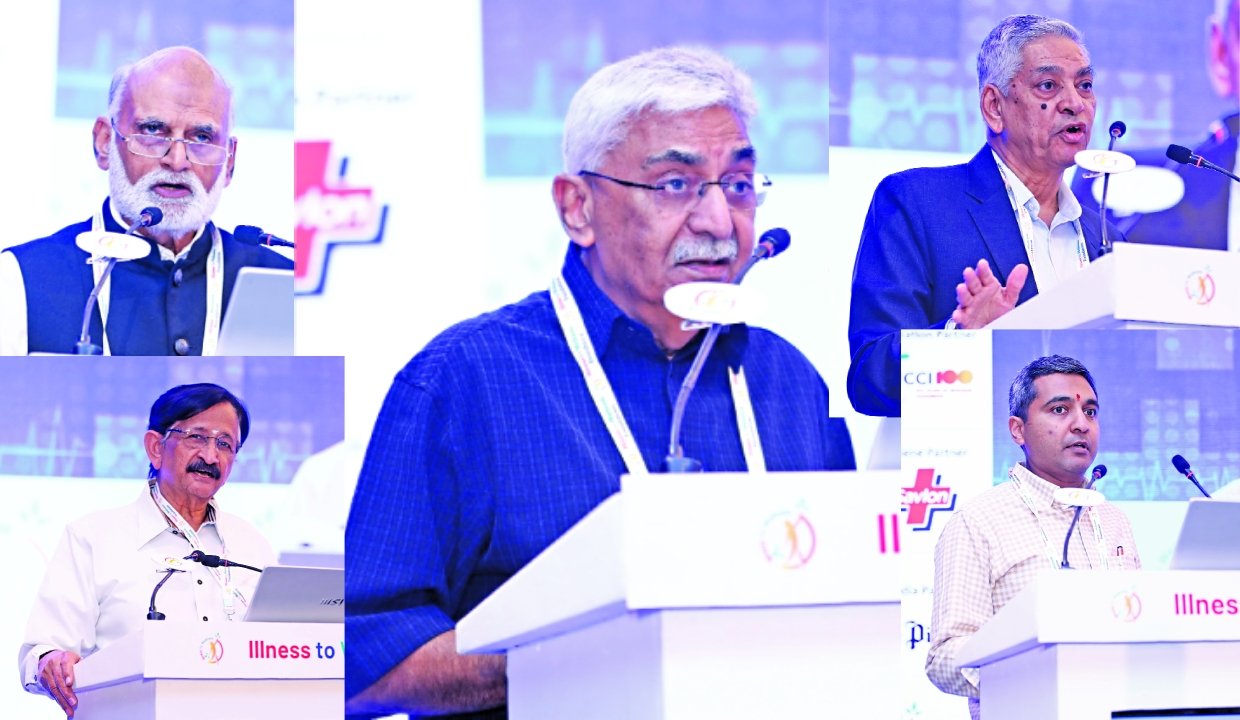
Ahead of World Heart Day 2026, health leaders at the Illness to Wellness conference in New Delhi called for a stronger culture of cardiovascular prevention, highlighting the growing importance of early detection, healthier daily habits, community preparedness and timely emergency response amid concerns around pollution, stress and changing lifestyles.
Organised by the Illness to Wellness Foundation under the theme “Healthy Heart for a Healthy Life”, the conference brought together cardiologists, healthcare professionals and public health voices to discuss how Heart Health can be strengthened before disease reaches the point of a medical emergency.
The discussions placed prevention at the centre of cardiovascular health. Rather than focusing only on treatment after a cardiac event occurs, speakers emphasised the importance of identifying risk factors early, improving health awareness, encouraging regular health checks and ensuring that communities are prepared to respond when emergencies happen.
Why Heart Disease Prevention Is Becoming More Important
Cardiovascular health is influenced by far more than an individual’s medical history. Daily routines, physical activity, diet, sleep, stress, tobacco exposure, environmental conditions and access to healthcare can all shape long-term heart health.
This makes prevention a broad public health challenge. A person may understand the importance of controlling blood pressure or cholesterol, for example, but still struggle to maintain healthy habits because of long working hours, sedentary routines, poor sleep or environmental stressors.
The Illness to Wellness conference highlighted this wider perspective by bringing lifestyle and environmental issues into the discussion around cardiovascular prevention.
The underlying message was that heart health should not be treated as something that matters only after symptoms appear. Prevention requires sustained attention throughout everyday life.
Pollution and Heart Health: A Growing Public Health Concern
Environmental pollution was among the broader factors highlighted during the conference. Dr T.S. Kler pointed to air pollution, noise pollution and stubble burning while discussing the environmental influences that need to be considered as part of cardiovascular prevention.
Air pollution is particularly relevant to public health discussions because people can be exposed to polluted air repeatedly over long periods. This means environmental health cannot always be separated from individual health behaviour.
Pollution also illustrates why prevention requires action beyond the doctor’s clinic. Individuals can make healthier choices, but broader environmental conditions can influence the health risks faced by entire communities.
For cardiovascular health programmes to be effective, therefore, awareness needs to extend beyond traditional messages about diet and exercise. Environmental exposure, workplace conditions and other aspects of modern life can also form part of the conversation.
Stress and Changing Work Patterns May Affect Healthy Living
Stress was another important theme raised at the conference. Dr Kler referred to rising stress, changing work patterns and evolving lifestyle habits as factors that need to be considered when addressing cardiovascular health.
Modern work routines can make it difficult for people to maintain consistent sleep schedules, exercise regularly or prepare balanced meals. Long periods of sedentary activity may also become part of everyday life, particularly for people whose jobs involve extended screen time.
The challenge is therefore not simply telling people to “live healthier.” Effective prevention must also recognise the practical circumstances that shape behaviour.
Health education can help people understand their risk factors and identify realistic changes, while workplaces, schools and communities can create environments that make healthier choices easier to maintain.
Dr T.S. Kler Calls for Structured Preventive Cardiovascular Programmes
(Padma Bhushan) Dr T.S. Kler, Chairman and HOD at BLK-Max Heart & Vascular Institute and Chairman of Pan Max – Electrophysiology, stressed the need for stronger preventive cardiovascular programmes and health education.
Dr Kler supported the call for the Government of India to establish structured preventive cardiovascular programmes and strengthen health education so that awareness can translate into sustained action at the community level.
His remarks underline an important distinction between awareness and prevention. Knowing that high blood pressure, diabetes, smoking or unhealthy lifestyle patterns can increase cardiovascular risk does not automatically result in behavioural change.
Prevention becomes more meaningful when people have access to regular health checks, appropriate medical guidance and practical tools that allow them to act on what they learn.
Dr Kler also emphasised that preventive strategies need to consider environmental and lifestyle influences, including pollution, stress and changing work patterns. This broader approach places cardiovascular health within the context of the environments in which people live and work.
Early Detection Can Help Shift Heart Care Towards Prevention
One of the most important ideas behind preventive healthcare is identifying risk before a major event occurs.
Regular medical assessments can help identify conditions such as high blood pressure, abnormal cholesterol levels or diabetes that may not produce obvious symptoms in their early stages. Once identified, these conditions can be discussed with healthcare professionals and managed according to individual risk.
However, preventive health checks should not become a reason for unnecessary testing or self-diagnosis. The appropriate screening strategy depends on factors such as age, family history, existing medical conditions and individual risk.
The broader objective is to encourage people to engage with healthcare before a crisis rather than waiting until symptoms become severe.
“Every Minute Is Important” During a Cardiac Emergency
While prevention can reduce risk, cardiovascular emergencies can still happen. This makes community preparedness another important part of heart health.
(Padma Bhushan) Dr. (Prof.) K. K. Talwar, Chairman of PSRI Heart Institute, New Delhi, highlighted the importance of immediate action during cardiac emergencies.
“Every minute is important. It is only the person who is by the side that matters,” Dr Talwar said, stressing the critical role of bystanders while professional medical assistance is on the way.
His message shifts attention from the hospital alone to the moments immediately following a medical emergency. In situations such as cardiac arrest, the actions of people nearby can become an important part of the emergency response chain.
Why Community CPR Training Matters
Dr Talwar called for wider community training in cardiopulmonary resuscitation, commonly known as CPR. He also emphasised that awareness should be accompanied by practical knowledge of how to perform good-quality CPR when someone nearby experiences a cardiac emergency.
CPR training can help members of the public recognise an emergency, respond promptly and provide basic assistance while emergency medical services are being activated or while professional help is arriving.
This is particularly important because the first people present during a cardiac emergency are often family members, friends, colleagues, neighbours or other bystanders rather than healthcare professionals.
Building CPR awareness into community education could therefore make emergency preparedness a more familiar part of public health culture.
From Awareness to Action: The Missing Link in Prevention
Health campaigns often succeed at communicating basic information, but maintaining healthy behaviour over the long term can be considerably more difficult.
A prevention-focused cardiovascular strategy needs to bridge this gap. People need understandable information, access to appropriate healthcare and realistic ways to incorporate healthy habits into daily life.
For example, a heart-health message may encourage physical activity, but people may need practical guidance on how to fit movement into a demanding work schedule. Similarly, information about healthy eating becomes more useful when people understand how to make sustainable dietary choices within their cultural, financial and family circumstances.
This is why the conference’s focus on community participation is significant. Prevention is more likely to become sustainable when it extends beyond individual responsibility and becomes part of schools, workplaces, families and neighbourhoods.
Building a Culture of Heart Health
A culture of prevention does not necessarily require dramatic lifestyle changes overnight. Instead, it can develop through repeated attention to manageable health behaviours and regular engagement with healthcare.
People can become more familiar with their own health measurements, understand their cardiovascular risk factors and seek professional advice when appropriate. Communities can promote emergency preparedness, while workplaces can encourage healthier routines and better awareness of cardiovascular risks.
Public health organisations can also play a role by making reliable health information easier to understand and access.
The emphasis on prevention at the Illness to Wellness conference reflects this broader model: heart health is not only a clinical issue but also a community and everyday-life issue.
World Heart Day 2026 Puts Prevention in Focus
The conference was organised ahead of World Heart Day 2026, providing an opportunity to focus attention on cardiovascular health and prevention.
Such awareness events can help bring medical expertise into public conversations, particularly when discussions move beyond disease treatment and address the factors that influence health before illness occurs.
The themes raised in New Delhi—pollution, stress, lifestyle changes, health checks, prevention and CPR—also demonstrate that cardiovascular health involves several connected layers. Personal habits matter, but so do community preparedness, healthcare access and the environment in which people live.
A More Prepared Community Can Strengthen Heart Health
The strongest takeaway from the conference was the need to connect prevention with preparedness.
Preventive healthcare aims to reduce cardiovascular risk before a serious event occurs. Early detection can help identify health problems that require attention. And CPR knowledge can equip ordinary people to respond during an emergency.
These elements work at different stages of the cardiovascular health journey, but together they create a more comprehensive approach to heart care.
Dr Kler’s emphasis on structured preventive programmes and Dr Talwar’s focus on community CPR training point towards the same broader objective: making cardiovascular health a continuous public health priority rather than something addressed only after an emergency.
Conclusion
The Illness to Wellness conference in New Delhi placed prevention at the centre of the conversation around heart health ahead of World Heart Day 2026. Under the theme “Healthy Heart for a Healthy Life,” healthcare leaders highlighted the need to address cardiovascular risks through early detection, health education, healthier lifestyles and community preparedness.
Dr T.S. Kler drew attention to pollution, stress, changing work patterns and evolving lifestyles, while calling for stronger structured preventive cardiovascular programmes. Dr K. K. Talwar emphasised another critical part of the picture: the importance of immediate bystander action and wider CPR training during cardiac emergencies.
Together, these messages reinforce a simple but important principle: heart health begins long before a person reaches a hospital. Prevention, awareness and preparedness can all contribute to a stronger culture of cardiovascular health—at home, at work and across communities.
SEO Details
Primary Keyword: heart health prevention
SEO Title: Heart Health Prevention: Experts Highlight Pollution, Stress and CPR Ahead of World Heart Day 2026
Meta Description: Health leaders at the Illness to Wellness conference in New Delhi highlighted heart health prevention, pollution, stress, lifestyle changes, early detection and community CPR training.
Related Keywords: World Heart Day 2026, cardiovascular disease prevention, heart health awareness, CPR training, cardiac emergency preparedness, air pollution and heart health, stress and heart health, preventive healthcare, healthy lifestyle, cardiovascular risk factors
Medical Disclaimer: This article is intended for general health information and does not replace advice from a qualified healthcare professional. People with cardiovascular symptoms, risk factors or concerns about their heart health should consult an appropriate medical professional.
For breaking news and live news updates, like us on Facebook or follow us on Twitter and Instagram. Read more on Latest Lifestyle on thefoxdaily.com.






COMMENTS 0