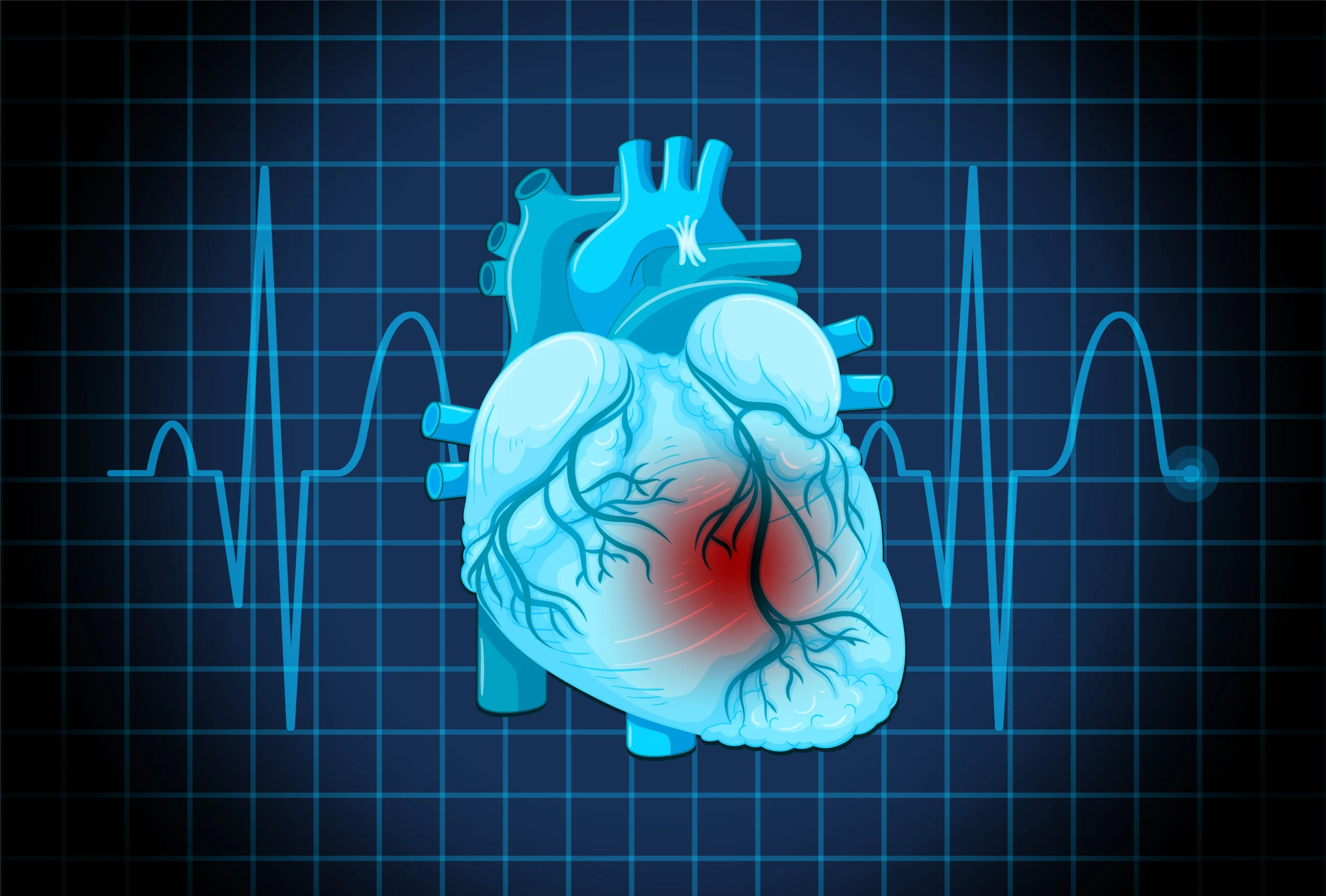
Winter mornings may feel refreshing, but sudden exposure to cold temperatures can put additional stress on the cardiovascular system. As temperatures drop, the body responds by narrowing blood vessels to conserve heat, a process that can increase blood pressure and force the heart to work harder to circulate blood.
For healthy individuals, these changes may be manageable. However, for people living with hypertension, coronary artery disease, diabetes or other cardiovascular conditions, the added strain may increase the risk of complications, including heart attacks, strokes and abnormal heart rhythms.
The risk may be particularly concerning during early mornings, when the body naturally experiences changes in blood pressure, heart rate and stress hormone levels after waking up. Combining these physiological changes with cold exposure, sudden physical activity or strenuous outdoor exercise may place additional demands on the heart.
Understanding why winter affects Heart Health, recognising the people who may be more vulnerable and making a few adjustments to daily routines can help reduce unnecessary cardiovascular stress during colder months.
How cold weather affects the heart and blood circulation
When the body is exposed to cold temperatures, it activates mechanisms designed to preserve core body heat. One of these responses is vasoconstriction, in which blood vessels near the skin and in the extremities narrow to reduce heat loss.
Although this response helps the body stay warm, it also increases resistance to blood flow. The heart must pump against greater resistance, potentially raising blood pressure and increasing its workload.
Dr Sunil Kumar Mandal, senior consultant interventional cardiologist at Kailash Hospital, Greater Noida, explains that the narrowing of blood vessels in response to cold is an important reason blood pressure can rise during winter.
Cold exposure also activates the sympathetic nervous system, which is responsible for the body’s fight-or-flight response. This can increase heart rate, stimulate the release of stress hormones and place additional demands on the cardiovascular system.
For someone with narrowed coronary arteries, these changes may become particularly significant. The heart requires more oxygen to work harder, but restricted blood flow may make it difficult to meet that increased demand.
Why cold weather may increase the risk of blood clots
Cold exposure can also influence the body’s clotting mechanisms. Dr Mandal notes that platelets may become more reactive during colder conditions, potentially increasing the tendency for blood to clot.
Blood clots are a concern when coronary arteries already contain atherosclerotic plaques, which are deposits of cholesterol, fats and other substances within artery walls. If a plaque becomes unstable and ruptures, a clot may form at the site, obstructing blood flow to part of the heart muscle.
When blood supply is significantly reduced or blocked, the heart muscle may be deprived of oxygen, resulting in a heart attack. Cold-related changes in blood pressure, heart rate and clotting activity may therefore create additional stress in individuals with existing coronary artery disease.
However, cold weather does not mean that everyone will experience a heart attack. The risk depends on several factors, including underlying Cardiovascular Disease, age, blood pressure, smoking status, physical activity and the intensity and duration of cold exposure.
Why early morning hours can be particularly risky for heart patients
The early morning period is associated with natural changes in the body’s cardiovascular and hormonal activity. As a person wakes up, blood pressure and heart rate begin to rise, while stress hormones such as cortisol follow their daily rhythm.
These changes help the body transition from sleep to wakefulness. However, they can also increase the workload on the heart during a period when cardiovascular events are more frequently observed.
According to Dr Mandal, blood pressure, heart rate and stress hormone levels can surge after waking, while the body’s tendency towards clot formation may also change during this period. When these processes occur alongside cold exposure, the cardiovascular system may experience additional strain.
Several everyday activities can further increase this demand:
- Stepping into cold air immediately after waking: Sudden temperature changes can trigger blood vessel constriction and an increase in blood pressure.
- Walking rapidly or climbing stairs: Abrupt physical exertion increases the heart’s demand for oxygen, particularly when the body has not warmed up.
- Going to the bathroom in a cold environment: Exposure to cold indoor spaces can contribute to sudden temperature changes, especially when bedrooms and bathrooms are poorly heated.
- Starting intense exercise without warming up: Vigorous activity immediately after waking may increase cardiovascular demand without allowing the body to gradually adapt.
These factors do not mean that morning activity should be avoided entirely. Rather, people with existing heart conditions may benefit from a gradual transition from sleep to activity, appropriate clothing and an exercise routine suited to their medical condition.
Who is more vulnerable to winter-related heart complications?
Cold weather can affect cardiovascular health across age groups, but people with existing risk factors or heart conditions may be more vulnerable to its effects. Those who already have compromised circulation or reduced cardiac function may have less ability to tolerate sudden increases in blood pressure and workload.
Dr Mandal identifies the following groups as needing extra caution during winter:
- Older adults: Age-related changes in blood vessels and the cardiovascular system may make it harder to adapt to sudden temperature fluctuations.
- People with hypertension: Cold-induced blood vessel constriction can further elevate blood pressure, increasing strain on the heart.
- Individuals with diabetes: Diabetes can affect blood vessels and increase the risk of coronary artery disease and other cardiovascular complications.
- People with a history of heart attacks: Existing damage or underlying coronary disease may make the heart more vulnerable to additional stress.
- Patients who have undergone coronary stenting or bypass surgery: Their cardiovascular health and underlying coronary disease require continued monitoring and adherence to medical treatment.
- People with congestive heart failure: The heart may already have difficulty pumping blood efficiently, making additional cardiovascular stress potentially more difficult to tolerate.
- Individuals with impaired kidney function: Kidney disease can affect fluid balance, blood pressure and cardiovascular health.
- Current smokers: Smoking damages blood vessels and increases cardiovascular risk, adding to the concerns associated with cold exposure.
People in these groups should follow their healthcare providers’ recommendations regarding medication, physical activity, blood pressure monitoring and exposure to cold. Those with multiple risk factors may need additional precautions depending on their health status.
Winter heart health: Precautions cardiologists recommend
Protecting cardiovascular health during winter does not necessarily require major lifestyle changes. Adjusting morning habits, staying warm, avoiding sudden exertion and following prescribed treatment can help reduce unnecessary strain on the heart.
1. Avoid getting out of bed abruptly
Instead of immediately standing up and walking into a cold room, take a few moments to sit on the edge of the bed after waking. Allow the body to adjust gradually before standing and beginning morning activities.
This can be particularly helpful for older adults and people who experience dizziness, blood pressure fluctuations or other cardiovascular symptoms.
2. Keep your home comfortably warm
Maintain a comfortable indoor temperature, particularly in bedrooms and bathrooms where sudden exposure to cold can occur. Avoid moving directly from a warm bed into an extremely cold environment without appropriate clothing.
When going outdoors, wear layers that help retain body heat. Protect the head, neck, hands and feet, as these areas can lose heat quickly when exposed to cold weather.
3. Adjust your morning exercise routine
People who usually walk outdoors early in the morning may consider shifting their exercise to a time when temperatures are warmer and sunlight is available. A gradual warm-up can help prepare the body for physical activity and reduce sudden demands on the cardiovascular system.
Indoor exercises may be a suitable alternative during particularly cold mornings or when outdoor air quality is poor. People with diagnosed heart conditions should discuss the intensity and timing of exercise with their cardiologist rather than making abrupt changes to their activity levels.
4. Monitor blood pressure regularly
People with hypertension or other cardiovascular conditions should follow their doctor’s advice on home blood pressure monitoring. Recording readings consistently can help identify changes that may require medical attention or adjustments to treatment.
Cold weather can affect blood pressure, so patients should avoid assuming that readings taken during warmer months will remain unchanged throughout winter.
5. Take prescribed medications consistently
Continue taking blood pressure medications, heart medicines and other prescribed treatments according to the recommended schedule. Do not skip doses or stop treatment simply because blood pressure readings appear normal on a particular day.
Any medication adjustments should be made in consultation with a healthcare professional. Self-modifying treatment can create unnecessary risks, particularly for people with established cardiovascular disease.
6. Follow a heart-friendly diet
Dietary habits remain important during winter. Limit excessive salt intake, reduce heavily fried foods and prioritise balanced meals containing vegetables, fruits, whole grains and appropriate protein sources.
People with heart failure, kidney disease or other medical conditions may have specific dietary requirements, including restrictions on salt or fluids. They should follow individual guidance from their treating team.
7. Avoid smoking and limit alcohol
Smoking damages blood vessels and contributes to plaque formation, increasing the risk of cardiovascular disease. Avoiding tobacco is an important part of protecting heart health throughout the year.
Alcohol can also affect blood pressure, heart rhythm and overall cardiovascular health. People with existing heart conditions should discuss alcohol consumption with their doctors and follow their recommendations.
Heart attack warning signs you should never ignore
Recognising a heart attack early and seeking emergency medical care can make a critical difference. Symptoms may not always appear as severe chest pain, and some people may experience less typical warning signs.
Dr Mandal advises seeking immediate medical attention if any of the following symptoms occur:
- Chest pain, pressure, tightness or heaviness.
- Discomfort spreading to the arms, jaw, neck, back or shoulders.
- Sudden or unusual shortness of breath.
- Cold sweating without an obvious reason.
- Nausea or vomiting accompanied by other concerning symptoms.
- Sudden dizziness, weakness or a feeling of faintness.
Heart attack symptoms can vary. Some individuals may experience chest discomfort, while others may have breathlessness, unusual fatigue, nausea or discomfort in areas beyond the chest. Women, older adults and people with diabetes may sometimes experience less typical symptoms.
Symptoms should not be dismissed because they appear mild, occur during cold weather or seem to improve temporarily. A heart attack cannot be reliably ruled out at home based on how the discomfort feels or whether it comes and goes.
Why delaying treatment during a suspected heart attack can be dangerous
During a heart attack, blood flow to part of the heart muscle is interrupted, usually because a coronary artery becomes blocked. Without adequate oxygen supply, the affected heart tissue begins to suffer damage.
The longer the blockage remains untreated, the greater the potential damage to the heart muscle. Delayed treatment can increase the risk of serious complications, including heart failure, dangerous arrhythmias and death.
Dr Mandal stresses that people should not wait to see whether symptoms resolve on their own. If a heart attack is suspected, call emergency services immediately and seek care at a hospital equipped to provide emergency cardiac treatment.
Do not attempt to drive yourself to the hospital if you are experiencing symptoms of a possible heart attack. Emergency responders can begin assessment and treatment while arranging transport.
Can winter heart risks be reduced?
Cold weather is an environmental factor that can place additional demands on the cardiovascular system, but simple precautions may help people manage those demands. Staying warm, avoiding abrupt morning exertion, taking prescribed medicines and maintaining regular medical follow-ups can all contribute to safer winter routines.
People with established heart disease should be especially attentive to changes in symptoms, exercise tolerance or blood pressure during colder months. Those who develop chest discomfort, unexplained breathlessness, fainting or other concerning symptoms should seek medical evaluation promptly.
Winter does not mean that people must stop exercising or remain indoors throughout the season. The goal is to adapt activities to the weather, avoid sudden exposure to extreme cold and follow a routine appropriate for individual cardiovascular health.
The takeaway
Cold mornings can increase cardiovascular stress by narrowing blood vessels, raising blood pressure, increasing heart rate and potentially influencing clotting activity. These effects may be more concerning for people with hypertension, diabetes, coronary artery disease, heart failure or a history of cardiac procedures.
Making small adjustments to morning routines, keeping indoor spaces warm, dressing appropriately, exercising at safer times and taking prescribed medicines consistently can help protect heart health during winter.
Most importantly, never ignore warning signs such as chest pain, unusual breathlessness, sweating, nausea or sudden dizziness. Prompt emergency medical care is essential when a heart attack is suspected, regardless of the weather or time of day.
This article is for informational purposes only and is not a substitute for professional medical advice, diagnosis or treatment. Consult your doctor regarding your cardiovascular health, medications and exercise routine.
For breaking news and live news updates, like us on Facebook or follow us on Twitter and Instagram. Read more on Latest Lifestyle on thefoxdaily.com.




COMMENTS 0