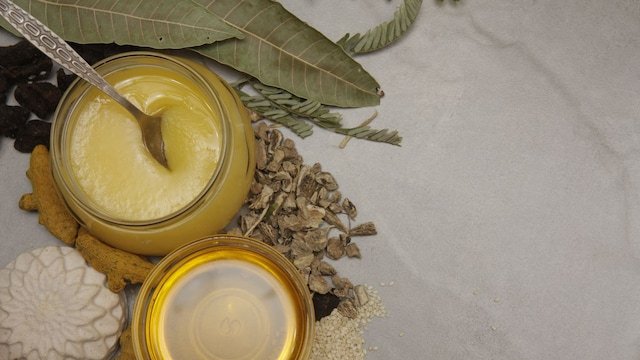
Ghee has long held an important place in Indian kitchens and Ayurvedic traditions, where it is valued for its flavour, versatility and potential health benefits. However, even a traditionally cherished food can become a concern when consumed in excess. While moderate amounts of ghee may fit into a balanced diet, its high saturated fat content raises important questions about cholesterol levels and long-term Heart Health.
The key is not necessarily to eliminate ghee from your diet, but to understand how much you consume, what the rest of your diet looks like and whether your individual health profile calls for limiting saturated fat.
Why Is Ghee Considered Beneficial?
Ghee, also known as clarified butter, is prepared by heating butter to remove most of its water and milk solids. It is widely used in Indian cooking and is also valued in Ayurveda, where it has traditionally been associated with nourishment and digestive health.
Ghee contains fat-soluble vitamins, including vitamins A and E, although the amount can vary depending on its source and preparation. It also provides energy and can enhance the flavour of meals.
However, traditional use and potential nutritional benefits do not mean that unlimited consumption is beneficial. Ghee is calorie-dense and contains a substantial amount of saturated fat, making portion size an important consideration.
Can Too Much Ghee Be Bad for Your Heart?
Yes, excessive ghee consumption may be unfavourable for heart health, particularly when it contributes to a high intake of saturated fat.
Saturated fat can raise LDL cholesterol, often referred to as “bad” cholesterol. Elevated LDL cholesterol is a recognised risk factor for atherosclerosis, a condition in which fatty deposits build up inside the arteries and increase the risk of cardiovascular disease.
Ghee is not the only source of saturated fat in the Indian diet. Butter, cream, fatty meats, certain baked foods and other high-fat dairy products can also contribute to total saturated fat intake.
The overall dietary pattern matters. Regularly consuming large quantities of ghee alongside other sources of saturated fat may make it harder to maintain healthy cholesterol levels.
How Much Ghee Is Too Much?
There is no single quantity of ghee that is appropriate for everyone. Individual needs depend on total calorie intake, physical activity, the rest of the diet, cholesterol levels and existing health conditions.
Rather than focusing on a universal spoon-based limit, it is more useful to consider ghee as part of your daily saturated fat intake. The World Health Organization recommends that saturated fat account for no more than 10% of total daily energy intake, with a further reduction potentially beneficial for some people.
For someone who already consumes substantial amounts of butter, cream, fried foods or fatty meat, even a seemingly small additional serving of ghee may push saturated fat intake higher than intended.
People with high LDL cholesterol, established cardiovascular disease or other relevant medical concerns may need more specific dietary guidance from a qualified healthcare professional.
Does Ghee Raise Cholesterol?
Ghee can contribute to higher LDL cholesterol because of its saturated fat content. However, the effect depends on the amount consumed and what it replaces in the diet.
Replacing saturated fats with unsaturated fats—such as those found in nuts, seeds, olive oil, mustard oil and other plant oils—can help improve the blood lipid profile. Simply adding ghee to an already calorie-rich diet, on the other hand, may increase overall energy intake without providing a unique heart-health advantage.
It is also important to remember that cholesterol levels are influenced by several factors, including genetics, physical activity, body weight, smoking, medical conditions and the overall quality of the diet.
Ayurvedic Benefits Versus Modern Heart-Health Evidence
Ayurveda has traditionally valued ghee as part of dietary and therapeutic practices. Many people continue to use it because of its cultural significance, taste and place in familiar food traditions.
Modern nutrition science, however, evaluates foods through measurable outcomes such as LDL cholesterol, cardiovascular events and overall dietary patterns. While ghee can be included in some balanced diets, there is not enough strong clinical evidence to conclude that eating large amounts of ghee prevents heart disease or provides superior cardiovascular protection compared with unsaturated plant oils.
These perspectives need not be treated as mutually exclusive. Ghee can remain part of a person’s food traditions while its quantity is adjusted in light of nutritional needs and cardiovascular risk.
Who Should Be More Careful About Ghee Consumption?
Some people may need to pay particular attention to how much ghee they consume, including those who:
- Have elevated LDL cholesterol or abnormal lipid levels.
- Have been diagnosed with heart disease or are at increased cardiovascular risk.
- Have been advised by a healthcare professional to reduce saturated fat.
- Consume several other sources of saturated fat regularly.
- Are trying to manage calorie intake or body weight.
This does not automatically mean that every person in these groups must completely avoid ghee. The appropriate approach depends on individual circumstances and professional dietary advice.
How to Include Ghee in a Heart-Conscious Diet
For people who enjoy ghee, a few practical habits can help keep consumption balanced:
- Pay attention to portions: Use measured amounts rather than adding ghee freely to every meal.
- Consider your overall fat intake: Account for butter, cream, fried foods and other sources of saturated fat.
- Use a variety of fats: Include sources of unsaturated fats, such as nuts, seeds and suitable plant oils.
- Prioritise a balanced diet: Eat a variety of vegetables, fruits, whole grains, pulses and other nutrient-rich foods.
- Follow personalised advice: If you have high cholesterol or heart disease, discuss your dietary fat intake with your doctor or registered dietitian.
The Bottom Line: Ghee Is About Balance, Not Excess
Ghee can be enjoyed as part of a balanced diet, but its traditional reputation should not be interpreted as a reason to consume it without limits. Its high saturated fat content means that excessive intake may contribute to elevated LDL cholesterol and increased cardiovascular risk, particularly when the overall diet is already rich in saturated fats.
The heart-conscious approach is to focus on moderation, dietary variety and individual health needs. Ghee does not need to be viewed as inherently harmful, but neither should it be considered a heart-protective food simply because it has been used traditionally.
Ultimately, the health impact of ghee depends not just on its quality, but also on how much you consume and the broader pattern of your diet.
SEO Details
- Primary Keyword: Is too much ghee bad for your heart
- Secondary Keywords: ghee and heart health, ghee and cholesterol, saturated fat in ghee, ghee consumption, ghee side effects
- Meta Title: Is Too Much Ghee Bad for Your Heart? Health Risks Explained
- Meta Description: Is too much ghee bad for your heart? Learn how ghee’s saturated fat may affect LDL cholesterol, how to consume it mindfully and who should be cautious.
Disclaimer: This article is for general informational purposes and is not a substitute for personalised medical or nutritional advice. Consult a qualified healthcare professional for guidance based on your health needs.
For breaking news and live news updates, like us on Facebook or follow us on Twitter and Instagram. Read more on Latest Health on thefoxdaily.com.





COMMENTS 0