The Agnipath scheme, introduced in 2022 to recruit young personnel into the Indian Armed Forces, is set for a significant restructuring. Under the revised arrangement, Agniveers who were initially recruited for four years will be offered an additional two-year engagement period, giving them more time to gain military experience and another opportunity to qualify for enrolment in the regular forces.
The changes are aimed at retaining trained personnel for a longer period while providing the Army, Navy and Air Force with greater continuity and operational experience. The revised arrangement also introduces changes to the selection process, seniority structure and remuneration for Agniveers who continue beyond their original tenure.
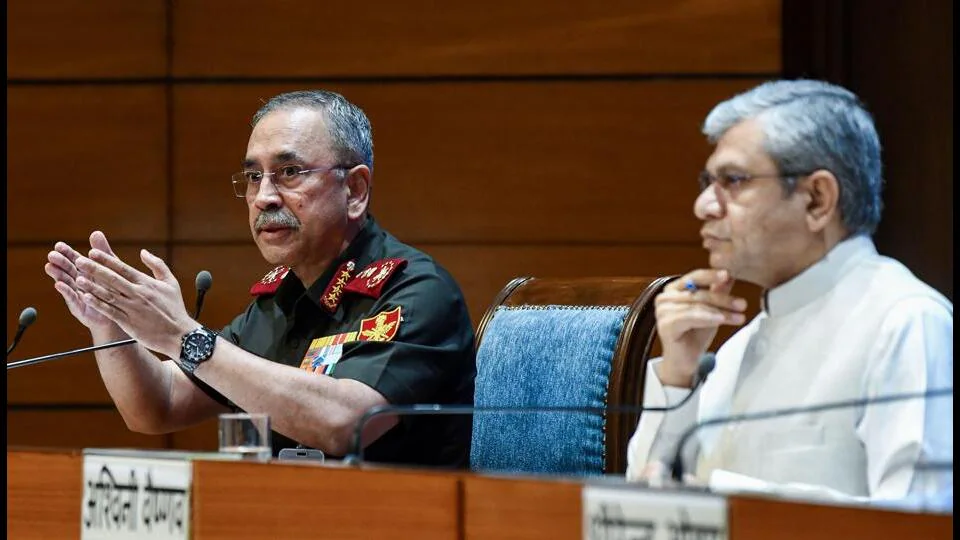
The announcement was made following the Union Cabinet’s approval of the changes. Chief of Defence Staff General NS Raja Subramani and Union Minister Ashwini Vaishnaw addressed the media during a briefing in Delhi on Wednesday.
What Was the Original Agnipath Scheme?
Under the original Agnipath recruitment arrangement, candidates selected for the armed forces were appointed as Agniveers for a fixed period of four years. The scheme was introduced in 2022 as a new recruitment model for the three services.
At the end of the four-year engagement, 25 per cent of Agniveers were to be enrolled in the regular armed forces for a full term, subject to the applicable selection process. The remaining 75 per cent were to be released from service in a phased manner.
The release process for the first group of Agniveers was scheduled to begin around the middle of November. The original structure therefore provided a limited period of service for the majority of recruits, with regular enrolment available to a smaller proportion.
The revised arrangement changes this structure by giving the remaining 75 per cent an additional opportunity to continue serving before their final selection for enrolment in the armed forces.
What Has Changed Under the Revised Agnipath Rules?
The most significant change is the extension of the engagement period for Agniveers who are not enrolled in the regular armed forces after their initial four years.
Under the revised arrangement, the remaining 75 per cent of Agniveers will be offered an additional two-year engagement period. This will extend their total service under the scheme from four years to six years.
The extension provides these personnel with more time to develop their military skills, gain operational experience and demonstrate their suitability for continued service.
It also creates a second opportunity for willing Agniveers to be considered for enrolment in the regular armed forces after completing the extended engagement period.
What Happens After the Additional Two Years?
After completing the extended two-year period, Agniveers who wish to continue serving in the armed forces will be considered for enrolment, provided they meet the prescribed selection criteria.
This means the revised arrangement introduces another route into regular military service for those who are not selected during the initial four-year period.
The process will allow the armed forces to assess personnel over a longer period before making further enrolment decisions. Agniveers will have additional time to demonstrate their capabilities, discipline and suitability for military responsibilities.
However, the extension does not mean that every Agniveer completing six years will automatically become a regular member of the armed forces. Enrolment will depend on willingness and meeting the required selection standards.
What Are the Selection Criteria for Regular Enrolment?
Operational skills and discipline will be at the centre of the assessment process under the revised arrangement.
These factors are important because military personnel must be capable of performing their assigned responsibilities in demanding operational environments. Their training, practical abilities and conduct during service will form important parts of the assessment.
The additional two-year period will give the armed forces more time to evaluate the experience and performance of Agniveers before deciding who should be enrolled in regular service.
The revised system is therefore intended to place greater emphasis on demonstrated military capability and discipline when considering personnel for continued service.
Why Has the Government Changed the Agnipath Scheme?
The revised arrangement is intended to address the need for greater continuity and experience within the armed forces while retaining the objective of maintaining a youthful military force.
Under the original four-year structure, most Agniveers were scheduled to leave service after completing their initial engagement. The new arrangement allows the armed forces to retain a larger pool of trained personnel for an additional two years.
Longer engagement can provide more time for personnel to develop operational skills and become familiar with military procedures. It can also help the Army, Navy and Air Force maintain continuity by retaining trained individuals for a longer period.
The government aims to balance this need for experienced personnel with the objective of keeping the armed forces young. The revised structure creates an extended period of service without removing the selection process for regular enrolment.
How Will the Seniority Structure Work?
The revised rules also establish a distinction in seniority between Agniveers enrolled in the regular armed forces after four years and those selected after completing the additional two-year engagement.
The 25 per cent of Agniveers enrolled in the forces after the initial four-year period will be considered senior to those who enter regular service after completing the extended two-year period.
This means personnel selected through the original four-year route will retain seniority over those who qualify through the additional engagement route.
The distinction creates a structured order between the two groups while allowing both categories of Agniveers to enter regular military service through the revised system.
What Is the Revised Salary Structure for Agniveers?
The revised arrangement also specifies the monthly remuneration for Agniveers during the additional two years of engagement.
Under the announced framework, Agniveers will receive ₹43,500 per month during the fifth year of service. Their monthly remuneration will increase to ₹47,500 in the sixth year.
The revised salary structure provides a defined payment framework for personnel who continue beyond their original four-year engagement period.
| Service period | Monthly remuneration |
|---|---|
| Fifth year | ₹43,500 |
| Sixth year | ₹47,500 |
How Many Agniveers Are Currently Serving?
Approximately 300,000 Agniveers are currently serving across the Indian Army, Navy and Air Force under the recruitment scheme introduced in 2022.
The revised arrangement will therefore have implications for a substantial number of personnel across the three services. It changes the engagement pathway for Agniveers who are not enrolled in the regular forces after their initial four-year period.
By extending the service period for the remaining 75 per cent, the government is providing a longer engagement window and another opportunity for eligible personnel to qualify for regular military service.
What the Agnipath Rejig Means for Agniveers
For Agniveers, the most important change is the opportunity to serve for up to six years instead of the original four-year period under the revised arrangement.
Those who are not selected for regular enrolment after four years will have the option of an additional two-year engagement. At the end of this period, willing personnel who meet the selection criteria can be considered for enrolment in the armed forces.
The revised rules also provide a clear remuneration structure for the fifth and sixth years and establish how seniority will work between personnel enrolled through the two different routes.
However, the additional engagement should not be confused with a guaranteed permanent position. Selection will remain dependent on the prescribed criteria, particularly operational skills and discipline.
What Lies Ahead for the Agnipath Scheme?
The revised arrangement marks an important change in the structure of the Agnipath scheme. By extending the engagement period and introducing another route to regular enrolment, the government aims to retain trained personnel for longer while maintaining the objective of a youthful military workforce.
The changes will affect how Agniveers plan their careers and prepare for selection into regular service. Personnel will have an additional two years to demonstrate their abilities, while the armed forces will gain a longer period to assess their performance and operational experience.
With around 300,000 Agniveers serving across the three services, the implementation of the revised framework will be closely watched by recruits and the wider defence establishment. Its impact will depend on how the extended engagement and selection arrangements operate in practice.
For breaking news and live news updates, like us on Facebook or follow us on Twitter and Instagram. Read more on Latest India on thefoxdaily.com.






COMMENTS 0