- Why the “Cockroach” Remark Triggered Such a Massive Reaction
- The Rise of Meme Politics in India
- What Gen Z in India Is Actually Angry About
- Why the Movement Resonates Beyond Social Media
- India’s First True Gen Z Political Wave?
- The Risk of Viral Politics
- Why Traditional Political Parties Should Pay Attention
- The Bigger Question: Is India Facing a Youth Representation Crisis?
- Could the Cockroach Janata Party Contest Elections?
- The Symbolism Behind the Name Matters More Than People Think
- What Happens Next?
- Conclusion
Indian politics has witnessed student uprisings, anti-corruption waves, farmer protests, and digital activism. But few movements have exploded online as quickly or as strangely as the Cockroach Janata Party.
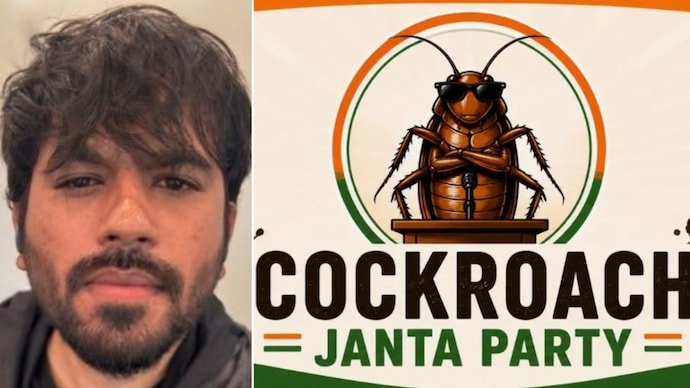
What began as outrage over remarks allegedly comparing vocal young Indians on Social Media to “cockroaches” and “parasites” has rapidly transformed into a Gen Z-driven political conversation. At the center of it is Abhijeet Dipke, a 30-year-old Boston University graduate who says he never intended to start a political movement. Yet within days, his newly launched “Cockroach Janata Party” claimed lakhs of registrations and millions of Instagram followers.
While critics dismiss it as another viral internet moment, supporters see it as something bigger: a rebellion against what many young Indians believe is an outdated political system disconnected from their concerns.
The real story here is not about the name “cockroach.” It is about why so many young people instantly connected with it.
Why the “Cockroach” Remark Triggered Such a Massive Reaction
India’s younger generation has grown increasingly vocal online over unemployment, exam paper leaks, rising living costs, political polarization, and lack of representation. Social media has become the primary outlet for frustration because many feel traditional institutions no longer listen to them.
That is why the controversy gained traction so quickly.
According to Abhijeet Dipke, the issue was not merely offensive language. What angered many people was the perception that criticism of young voices came from someone occupying one of the country’s highest constitutional positions.
For Gen Z audiences already skeptical about institutions, the incident became symbolic of a larger feeling: that young citizens are often dismissed instead of heard.
The phrase “cockroach” was instantly reclaimed online. Memes flooded Instagram and X. Young users began calling themselves “cockroaches” ironically, transforming the insult into a digital badge of resistance.
That strategy is not new globally. Marginalized or criticized groups have historically reclaimed labels used against them. What makes this moment unique is how quickly it happened and how deeply it resonated with India’s internet generation.
The Rise of Meme Politics in India
The Cockroach Janata Party may sound unserious at first glance, but it reflects a major transformation in political communication.
India’s political landscape is entering the era of meme politics.
Unlike traditional campaigns built around rallies, posters, television debates, and newspaper advertisements, modern political engagement increasingly begins on Instagram reels, YouTube shorts, and viral memes.
Gen Z consumes politics differently from previous generations:
- They prefer short-form content over speeches.
- They respond to authenticity more than polished messaging.
- They distrust conventional political branding.
- They organize digitally before moving offline.
- They use humor as a political weapon.
This explains why a movement with an absurd name could suddenly attract millions of interactions online.
The Cockroach Janata Party is not succeeding because of ideological sophistication. It is succeeding because it speaks the internet’s language.
What Gen Z in India Is Actually Angry About
Behind the jokes and memes lies a much more serious issue.
India has one of the world’s youngest populations, but many young Indians feel politically invisible.
| Major Gen Z Concerns in India | Why It Matters |
|---|---|
| Unemployment | Many graduates struggle to find stable jobs despite qualifications. |
| Competitive Exam Leaks | Repeated paper leak scandals have damaged trust in the system. |
| Rising Cost of Living | Urban youth face growing financial pressure. |
| Political Polarization | Many feel debates revolve around identity rather than policy. |
| Lack of Representation | Younger voters rarely see leaders discussing their real issues. |
| Mental Health Pressure | Academic and career expectations continue to rise. |
This frustration has been building quietly for years.
The NEET exam controversy, recurring recruitment delays, and rising competition for limited opportunities have amplified anxiety among young Indians. Many feel they are trapped between high expectations and shrinking opportunities.
That frustration is now finding a political voice online.
Why the Movement Resonates Beyond Social Media
Many internet trends disappear within 24 hours. The Cockroach Janata Party appears different because it touches a genuine emotional nerve.
Young Indians increasingly feel disconnected from both the ruling establishment and traditional opposition parties. While politicians continue focusing heavily on religion, nationalism, and identity battles, many Gen Z voters want discussions centered on:
- Artificial intelligence
- Technology jobs
- Climate policy
- Startup ecosystems
- Education reform
- Mental health
- Economic mobility
Abhijeet Dipke repeatedly emphasized this gap during interviews. Whether one agrees with him politically or not, his core argument resonates with many young voters: India’s political discourse often feels disconnected from the realities facing modern youth.
That sentiment explains why the movement spread so quickly.
India’s First True Gen Z Political Wave?
For years, analysts have asked why India had not witnessed a youth-driven political uprising similar to movements seen in other countries.
Bangladesh saw massive student-led protests. Sri Lanka experienced youth anger during its economic crisis. Nepal also witnessed strong digital activism among younger citizens.
India’s Gen Z, despite being highly active online, had largely remained fragmented politically.
The Cockroach Janata Party may not become a formal political force, but it could mark the beginning of something larger: a digitally native youth political culture.
This movement differs from traditional activism in several ways:
- It is decentralized.
- It is meme-driven.
- It is personality-light rather than leader-heavy.
- It spreads through algorithms instead of organizational networks.
- It thrives on participation rather than hierarchy.
In many ways, it resembles internet-native political movements seen globally over the past decade.
The Risk of Viral Politics
However, viral popularity does not automatically translate into political success.
History shows that internet momentum is difficult to sustain.
Social media movements often face three major challenges:
1. Lack of Organizational Structure
Building memes is easy. Building a political organization is not.
Political parties require funding, volunteers, legal structures, local leadership, campaign strategies, and long-term planning.
2. Maintaining Ideological Clarity
Movements built around outrage sometimes struggle to define what they actually stand for beyond protest.
The Cockroach Janata Party currently thrives on frustration and symbolism. Eventually, supporters may demand concrete policy positions.
3. Avoiding Co-option
Once a movement becomes popular, established political parties often attempt to influence, absorb, or weaponize it.
Abhijeet Dipke has already insisted the movement should remain independent. Whether that remains possible long-term is another question.
Why Traditional Political Parties Should Pay Attention
Even if the Cockroach Janata Party disappears within months, mainstream parties should not ignore what it represents.
The movement reveals a major communication gap between India’s political class and younger citizens.
Most parties still rely heavily on:
- Television debates
- Large rallies
- Traditional slogans
- Identity-based narratives
- Top-down messaging
Meanwhile, Gen Z operates in a completely different information ecosystem dominated by creators, influencers, memes, livestreams, and digital communities.
The political leaders who understand this shift early will likely dominate future elections.
In fact, several politicians globally have already adapted successfully to internet-native politics by appearing more conversational, spontaneous, and digitally fluent.
India may now be entering that transition phase.
The Bigger Question: Is India Facing a Youth Representation Crisis?
Perhaps the most important takeaway from this controversy is not about Abhijeet Dipke or the Cockroach Janata Party at all.
The bigger issue is whether India’s youth genuinely feel represented.
India’s median age remains among the lowest globally, yet political leadership across parties is still dominated by older generations. Many young voters increasingly feel their concerns are treated as secondary.
This disconnect becomes especially visible around employment.
India produces millions of graduates every year, but job creation has struggled to keep pace with aspirations. The rise of AI and automation is also creating new anxieties about the future of work.
At the same time, social media constantly exposes young Indians to global comparisons. They see discussions abroad centered around innovation, AI, clean energy, and future industries, while domestic debates often remain trapped in repetitive political battles.
That contrast is fueling frustration.
Could the Cockroach Janata Party Contest Elections?
As of now, there is no indication that the movement is ready to become a formal electoral force.
Abhijeet Dipke himself has repeatedly said it is too early to discuss contesting the 2029 elections.
Still, the possibility cannot be dismissed entirely.
Modern politics increasingly rewards outsider movements capable of mobilizing digital audiences quickly. Several global political figures initially emerged from anti-establishment online communities before transitioning into mainstream politics.
Whether the Cockroach Janata Party follows that path depends on several factors:
- Can it survive beyond the viral phase?
- Can it build offline networks?
- Can it attract credible leadership?
- Can it transform outrage into policy?
- Can it avoid internal fragmentation?
Those are difficult challenges for any movement especially one born accidentally on social media.
The Symbolism Behind the Name Matters More Than People Think
The name “Cockroach Janata Party” sounds absurd, but politically, it is surprisingly effective.
Cockroaches are creatures associated with survival, resilience, and persistence. Ironically, that symbolism aligns with how many young Indians view themselves today: ignored, underestimated, but impossible to eliminate.
By embracing the insult, supporters flipped the power dynamic.
That is why the movement gained emotional momentum so quickly.
In digital politics, symbolism often matters more than structure in the early stages.
What Happens Next?
The next few months will determine whether the Cockroach Janata Party becomes:
- A temporary meme phenomenon
- A sustained youth movement
- A pressure group influencing political discourse
- Or an actual political organization
Regardless of its future, the movement has already achieved something significant: it forced a national conversation about India’s younger generation.
And perhaps that is why so many people connected with it.
Not because they literally want a “cockroach party,” but because they want acknowledgment that their frustrations are real.
Conclusion
The rise of the Cockroach Janata Party reflects far more than internet humor or viral outrage. It exposes a deeper political and generational shift taking place in India.
Young Indians are no longer content being passive observers in political discourse. They want jobs, accountability, institutional trust, technological progress, and meaningful representation. They are increasingly using digital platforms to demand those conversations.
Whether Abhijeet Dipke’s movement survives or fades, it has already highlighted a reality many traditional political players ignored for too long: India’s Gen Z is politically awake, digitally powerful, and eager to shape the future on its own terms.
And if mainstream politics fails to engage with that generation seriously, more unconventional movements like this may emerge in the years ahead.
For breaking news and live news updates, like us on Facebook or follow us on Twitter and Instagram. Read more on Latest India on thefoxdaily.com.






COMMENTS 0