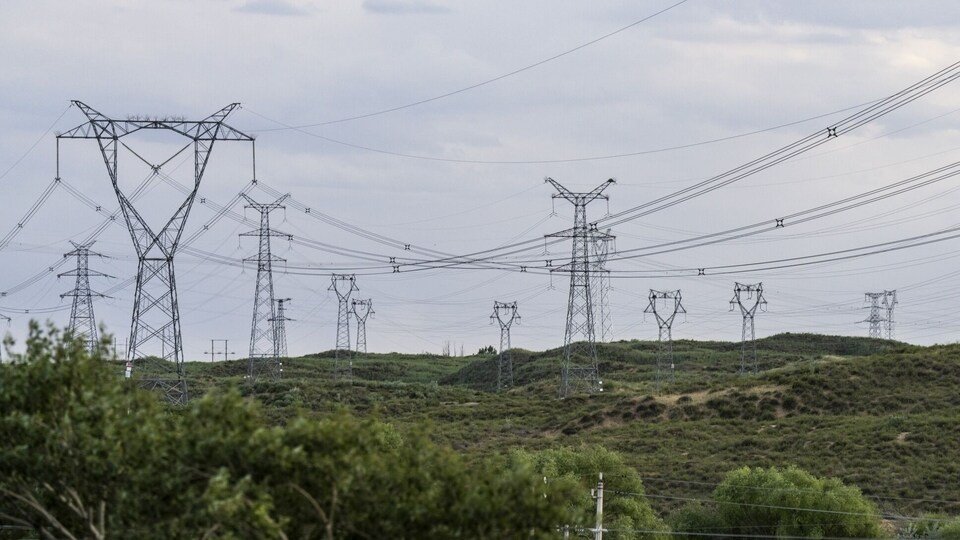
Around 40,000 electricity department employees in Haryana began a three-day strike on Thursday to protest the entry of a private electricity distribution company in Gurugram and Nuh districts. The strike has disrupted power supplies in several residential and industrial areas, with breakdown complaints remaining unattended as employees stayed away from their duties.
The protest was called by the Haryana Bijli Karamchari and Engineers Joint Sangharsh Morcha after the Haryana Electricity Regulatory Commission (HERC) granted a parallel electricity distribution licence to Eleven Power Private Limited on October 19. The licence allows the company to distribute electricity in both districts alongside the existing state-owned distribution companies, commonly known as discoms.
The employees’ unions have opposed the decision, arguing that the entry of a private distributor could threaten jobs, undermine the public electricity distribution system and make power less affordable for farmers and economically weaker households. The state government has said it will challenge HERC’s decision before the Appellate Tribunal for Electricity (APTEL), while Energy Minister Anil Vij has urged employees to end the strike and return to work.
Why Haryana Electricity Employees Are on Strike
The three-day strike follows HERC’s October 19 decision to grant a parallel electricity distribution licence to Eleven Power Private Limited for a period of 25 years. The licence covers the revenue districts of Gurugram and Nuh and was issued under Section 14 of the Electricity Act, 2003.
The decision has triggered opposition from electricity employees and engineers, who view the entry of a private distributor as a step towards Privatisation of electricity distribution in the state. The Haryana Bijli Karamchari and Engineers Joint Sangharsh Morcha called the strike to demand the withdrawal of the licence.
The employees’ forum said around 40,000 workers had joined the protest, resulting in widespread disruption across Haryana. According to the unions, the impact extended beyond electricity supply to water services, industrial production and other essential activities.
The dispute centres on the introduction of a second distribution operator in areas already served by state-owned discoms. The unions have questioned why a private company should be permitted to distribute electricity through a parallel system when the existing public infrastructure has been developed using substantial public investment.
The Haryana Electricity Regulatory Commission is a three-member statutory body responsible for regulating the state’s power sector. Its chairperson and members are appointed by the state government on the recommendation of a selection committee.
The unions are demanding that the government take steps to revoke the parallel distribution licence. They argue that the decision could have long-term consequences for electricity workers, consumers and the public distribution system.
Power Supply Disrupted in Residential and Industrial Areas
The strike has affected electricity services in several urban and rural areas, with breakdown complaints remaining unresolved because of the absence of regular employees. The Joint Front, which represents the striking workers, said numerous 33 kV and 11 kV feeders affected by breakdowns remained out of service.
Electricity distribution feeders are an important part of the network that carries power to different areas. When faults affecting these systems are not addressed promptly, households, businesses and industrial units can face prolonged outages.
According to the employees’ forum, electricity supply was disrupted in multiple residential localities, while industrial production was also affected because of interruptions to industrial feeders.
The unions said electricity complaint centres, substations and offices at the sub-divisional, divisional and circle levels were largely deserted during the strike. The absence of staff at these locations has complicated efforts to respond to breakdowns and restore normal services.
The scale of the disruption has raised concerns about the impact on residents and businesses if outages continue during the three-day protest. Households depend on electricity for everyday activities, while industrial units require reliable supplies to maintain production and avoid operational interruptions.
The employees’ forum expressed regret over the difficulties faced by consumers but maintained that the strike was intended to protect the long-term interests of electricity users. The unions have called on the public to support their demand for the withdrawal of the private distribution licence.
Revanth? Haryana Government to Challenge HERC Order Before APTEL
Chief Minister Nayab Singh Saini said on Wednesday that the Haryana government would represent the employees’ case before the Appellate Tribunal for Electricity against HERC’s decision.
Saini said the government was prepared to engage lawyers trusted by the electricity workers’ unions to pursue the challenge. He also held a review meeting with administrative secretaries to assess arrangements for managing the three-day strike.
The government’s move to challenge the licence has become a central part of its response to the dispute. However, the legal challenge does not mean the commission’s order has already been withdrawn or stayed.
Energy Minister Anil Vij said on Thursday that the strike was unnecessary because the decision to grant the parallel distribution licence had been taken by HERC. He reiterated that he personally opposed privatisation, citing the public money and infrastructure invested in the electricity sector and the potential implications for employees’ jobs.
Vij said the government had opposed the move but that the decision had gone against its position. He added that the government was appealing before APTEL and seeking a stay against the regulatory commission’s order as soon as possible.
The minister urged striking employees to return to their duties and offered them the opportunity to contribute to the legal proceedings. He said the unions could provide advice to the government’s lawyer, appoint their own lawyer or suggest another lawyer for the government to hire.
The government’s challenge is intended to contest HERC’s decision through the legal process. Until further action is taken, the licence remains the immediate trigger for the employees’ protest.
Employees Say Strike Is About Privatisation, Not Salaries
Devender Singh Hooda, a senior leader of the Joint Front, said electricity employees and engineers were not striking to demand higher salaries or allowances. Instead, he said, the movement was aimed at protecting electricity distribution from privatisation and safeguarding the interests of farmers and ordinary consumers.
Hooda argued that transferring electricity distribution to private companies could make power increasingly unaffordable for farmers and economically weaker sections in both rural and urban areas.
He also appealed to farmers, electricity consumers and members of the public to support the protest and press the government to revoke the parallel distribution licence.
The unions’ position is that electricity distribution should continue to serve public needs and that decisions affecting the sector must account for the interests of consumers as well as employees. They have raised concerns about the implications of allowing a private company to operate alongside state-owned discoms.
Hooda said the workers regretted the hardship caused by the strike but maintained that their objective was to ensure access to affordable and reliable electricity for everyone.
The dispute has therefore developed into a wider debate over the role of private companies in electricity distribution, the use of existing public infrastructure and the potential consequences for service costs and employment.
Electricity Unions and Workers’ Organisations Extend Support
The strike has received support from several labour and farmers’ organisations. Most constituent organisations of the Samyukt Kisan Morcha, along with the Sarv Karamchari Sangh Haryana and workers’ organisations including CITU, AITUC and INTUC, extended solidarity to the protesting employees.
Demonstrations were organised at various locations as part of the wider opposition to the private distribution licence.
Subhash Lamba, vice president of the Electricity Employees Federation of India (EEFI), and Shailendra Dubey, chairman of the All India Power Engineers Federation (AIPEF), also opposed the parallel distribution licence and expressed support for the strike.
The involvement of these organisations has broadened the protest beyond electricity department employees, bringing additional labour and farmers’ groups into the campaign against the licence.
The unions argue that the issue affects more than the employment conditions of electricity workers. In their view, the future of the distribution system has implications for farmers, households, industrial consumers and the broader public.
The level of support could increase pressure on the state government to pursue its legal challenge and address the unions’ concerns. However, the immediate question for consumers remains whether electricity services can be maintained and restored during the strike.
EEFI Questions Government’s Position on Private Distribution
Subhash Lamba alleged that the Haryana government was attempting to weaken the strike by bringing technical employees and supervisors from neighbouring states, including Punjab and Himachal Pradesh.
He also questioned the government’s position on privatisation, pointing to the apparent difference between its stated opposition to the move and HERC’s decision to grant a licence to a private company.
“If the chief minister and the energy minister oppose privatisation and stand with electricity employees, why is a parallel distribution licence being granted to a private company in the first place?” Lamba asked.
The EEFI leader argued that if legal obstacles prevented the government from stopping the licensing arrangement, it should explore appropriate legal and legislative measures to resolve them. He noted that the BJP governs both Haryana and the Centre.
Lamba said the government needed to demonstrate its opposition to privatisation through concrete action rather than statements or assurances.
These remarks reflect the unions’ demand for a more direct government response to the regulatory decision. While Saini and Vij have said the government will challenge HERC’s order, the employees want the licensing arrangement withdrawn and have continued their protest.
Energy Minister Anil Vij Urges Employees to Return to Work
Energy Minister Anil Vij said the strike was unnecessary because the licence had been granted by the state’s electricity regulator rather than through a direct decision by the government.
He reiterated that he was against privatisation because substantial public money and infrastructure had already been invested in the power sector and because employees’ jobs could be affected.
Vij said the government had opposed the licensing decision and was now pursuing an appeal before APTEL. He added that the administration was attempting to obtain a stay against HERC’s order as soon as possible.
The minister appealed to employees to abandon the strike and resume their duties. He also offered to involve union representatives in preparing the legal case, including by accepting their suggestions on legal counsel.
His remarks indicate that the government is seeking to resolve the regulatory dispute through legal channels while limiting the disruption caused by the strike.
However, the unions have maintained that the private distribution licence itself must be withdrawn. The disagreement over the next steps has left the protest continuing despite the government’s stated opposition to privatisation.
What Happens Next in the Haryana Power Dispute?
The immediate developments will depend on the progress of the government’s appeal before APTEL, any decision on a stay against HERC’s order and whether the electricity unions agree to end their strike.
The government has said it will pursue legal action and is willing to involve lawyers trusted by the unions. The employees, meanwhile, have called for the parallel distribution licence to be revoked and have warned of the potential consequences of private participation in electricity distribution.
For consumers in Gurugram, Nuh and other affected areas, restoring reliable electricity supply remains an immediate concern. The reported disruption to feeders, complaint centres and substations has affected residential services and industrial activity, according to the employees’ forum.
The three-day strike has also highlighted the wider disagreement over how electricity distribution should be organised in Haryana. While the unions see the licence as a threat to public ownership, jobs and affordable power, the government has said it will challenge the regulatory decision through the legal process.
Until the dispute is resolved, the competing demands of maintaining essential electricity services, protecting employees’ interests and determining the future of the private distribution licence are likely to remain at the centre of the controversy.
For breaking news and live news updates, like us on Facebook or follow us on Twitter and Instagram. Read more on Latest India on thefoxdaily.com.





COMMENTS 0