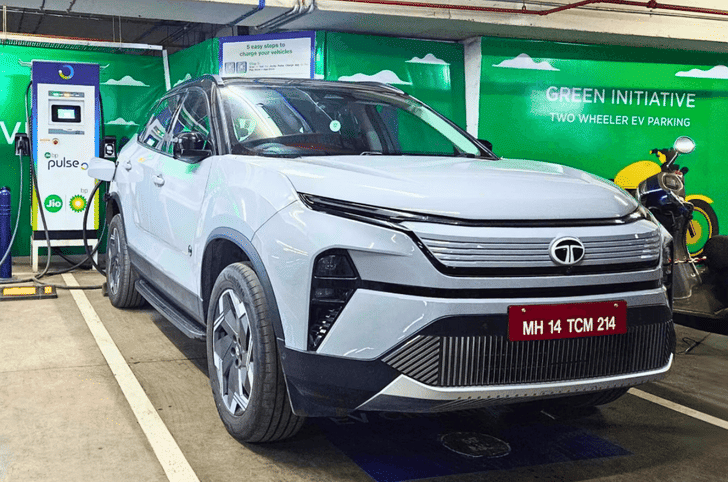
Haryana has taken a significant step toward building an electric vehicle-friendly ecosystem by making EV charging Infrastructure mandatory in new and renovated residential and commercial projects. The amendment to the state’s building code reflects a growing realization that while electric vehicle sales are rising rapidly, charging infrastructure remains one of the biggest challenges preventing mass adoption.
The revised regulations, issued by the Haryana Town and Country Planning Department on June 5, 2026, go beyond simply installing a few charging stations. They require projects to be fully EV-ready, ensuring that future charging expansion can happen smoothly without expensive retrofitting.
At a time when India is aggressively pursuing cleaner transportation, reduced oil dependence, and lower urban pollution, Haryana’s decision could become a blueprint for other states seeking to future-proof their cities.
What the New Haryana EV Charging Rules Say
The amended building code introduces mandatory EV charging requirements across a wide range of residential and commercial developments.
For residential projects, including group housing societies, cooperative housing projects, and residential complexes managed by Resident Welfare Associations (RWAs), developers must now provide at least one charging point for every five parking spaces.
Commercial buildings such as malls, office complexes, hotels, business centers, and mixed-use developments face stricter requirements. These projects must install at least one EV charging point for every three parking spaces if they accommodate ten or more vehicles.
Additionally, all covered developments must be 100% EV-ready through the installation of conduits and supporting electrical infrastructure that can accommodate future charging expansion.
Why Charging Infrastructure Is More Important Than Ever
India’s electric vehicle market has witnessed rapid growth over the past few years. However, one concern consistently appears among potential EV buyers: charging availability.
While government incentives and falling battery prices have made Electric Vehicles increasingly attractive, consumers remain hesitant when they are uncertain about where and how they will charge their vehicles.
Industry studies from mature EV markets show that home charging accounts for the majority of charging activity. For many buyers, the availability of a charger at home is often the deciding factor in purchasing an electric vehicle.
By integrating charging infrastructure directly into buildings, Haryana is addressing the issue at its foundation.
Residential Complexes Will Become EV-Ready Communities
The biggest beneficiaries of the new policy may be apartment residents and future homebuyers.
Many EV owners living in housing societies currently face obstacles such as:
- Limited access to charging facilities.
- Disputes over common-area electricity usage.
- Approval delays from housing associations.
- Expensive retrofitting requirements.
- Safety concerns regarding installation.
The new rules eliminate many of these challenges by ensuring charging infrastructure is considered during the design and construction phase itself.
As EV adoption grows over the next decade, buyers may increasingly prioritize homes that already offer charging access, potentially making EV-ready properties more attractive in the Real Estate market.
Existing Housing Societies Are Also Covered
One of the most notable aspects of Haryana’s amendment is that it is not limited to future projects.
Existing residential complexes are also permitted to install EV charging facilities in designated parking spaces.
However, residents must comply with:
- Electrical safety requirements.
- Fire safety regulations.
- Certification from local electricity distribution companies.
- Approval from the Fire Department.
This provision addresses one of the most common complaints among current EV owners WHO live in apartment communities where charging installation approvals can become complicated.
Commercial Buildings Face Higher Charging Requirements
Commercial developments are expected to play a crucial role in supporting India’s charging ecosystem.
Hotels, shopping malls, office towers, and business parks attract thousands of vehicles daily. By requiring one charging point for every three parking spaces, Haryana aims to encourage destination charging.
Destination charging refers to charging while people work, shop, dine, or stay at hotels.
This approach offers multiple benefits:
- Reduces dependence on dedicated charging stations.
- Encourages longer customer visits.
- Supports workplace EV adoption.
- Provides convenience for travelers.
- Expands charging access across cities.
As electric mobility grows, charging facilities could become as important for commercial properties as Wi-Fi connectivity and parking amenities are today.
EV Chargers Exempt from Floor Area Ratio Calculations
A particularly developer-friendly aspect of the amendment is the decision to exclude EV charging infrastructure from Floor Area Ratio (FAR) calculations.
FAR determines how much construction can be carried out on a given plot of land.
Had charging infrastructure been included in FAR calculations, developers might have viewed it as reducing usable space that could otherwise generate revenue.
By removing this obstacle, the Haryana government has ensured that installing EV infrastructure does not negatively impact project economics.
This policy could significantly accelerate compliance and encourage developers to exceed minimum requirements.
Basement and Stilt Parking Areas Can Host Chargers
The revised code specifically permits EV charging installations in basement and stilt parking areas.
This is important because these locations are where most vehicles are typically parked in urban developments.
However, the government has emphasized that electrical and fire safety standards must be strictly followed.
With lithium-ion batteries becoming increasingly common, regulators worldwide are paying closer attention to charging-related fire safety.
Although EV fires remain relatively rare, specialized safety procedures are often required when incidents occur.
Recognizing this, Haryana has directed its Fire and Emergency Services Department to create detailed safety guidelines in coordination with electricity departments and utility providers.
How This Supports India’s EV Ambitions
India has set ambitious targets to increase electric vehicle adoption across multiple transportation categories, including two-wheelers, passenger cars, commercial vehicles, and public transport.
The broader goals include:
- Reducing crude oil imports.
- Improving urban air quality.
- Lowering carbon emissions.
- Supporting domestic manufacturing.
- Strengthening energy security.
Infrastructure remains one of the most critical pieces of this transition. Even the most affordable EVs cannot achieve widespread adoption without convenient charging access.
Haryana’s move directly addresses this challenge by ensuring charging readiness becomes a standard feature of urban development.
Comparison: Traditional Buildings vs EV-Ready Buildings
| Traditional Buildings | EV-Ready Buildings |
|---|---|
| Limited charging access | Dedicated charging infrastructure |
| Expensive future retrofitting | Infrastructure planned from construction stage |
| Potential resident disputes | Clear regulatory framework |
| Lower appeal for EV owners | Future-ready investment |
| Electrical upgrades required later | Conduits already installed |
Economic Impact on Real Estate and Infrastructure
The policy is likely to have implications beyond electric vehicles.
Developers may increasingly market EV-ready projects as premium offerings. Real estate buyers, particularly younger professionals and environmentally conscious consumers, may view charging infrastructure as an essential feature rather than a luxury.
Furthermore, the policy could stimulate investment in:
- Charging equipment manufacturing.
- Electrical infrastructure upgrades.
- Energy management systems.
- Smart grid technologies.
- Renewable energy integration.
These developments could contribute to job creation and technological Innovation across multiple sectors.
Challenges That Still Need Attention
Despite its advantages, successful implementation will require addressing several practical challenges.
- Ensuring sufficient electricity supply capacity.
- Standardizing charging technologies.
- Monitoring compliance during construction.
- Training fire and safety personnel.
- Managing peak charging demand.
- Maintaining charging infrastructure over time.
State agencies, developers, power utilities, and housing societies will need to work together to ensure the policy achieves its intended objectives.
Could Haryana Become a Model for Other States?
Several advanced EV markets around the world already require charging infrastructure in new developments. Haryana’s approach aligns with international best practices that recognize charging readiness as a core element of modern urban planning.
If implementation proves successful, other Indian states may adopt similar regulations, particularly those with rapidly growing urban populations and increasing EV sales.
The policy demonstrates a shift from treating EV charging as an optional feature to recognizing it as essential infrastructure, similar to water supply, internet connectivity, and fire protection systems.
Conclusion
Haryana’s decision to mandate EV charging infrastructure in residential and commercial developments marks a major milestone in India’s electric mobility journey. By requiring charging points, enabling future expansion, supporting existing residential communities, and removing economic barriers for developers, the state has created a comprehensive framework for EV-ready urban development.
The policy recognizes a simple but crucial reality: electric vehicles can only become mainstream if charging is convenient, accessible, and integrated into everyday life. As India’s EV market continues to expand, infrastructure-focused initiatives like Haryana’s may ultimately prove just as important as vehicle subsidies and manufacturing incentives.
The move not only prepares Haryana for the transportation needs of the future but also positions the state as a potential leader in India’s transition toward cleaner, smarter, and more sustainable mobility.
For breaking news and live news updates, like us on Facebook or follow us on Twitter and Instagram. Read more on Latest Automobile on thefoxdaily.com.






COMMENTS 0