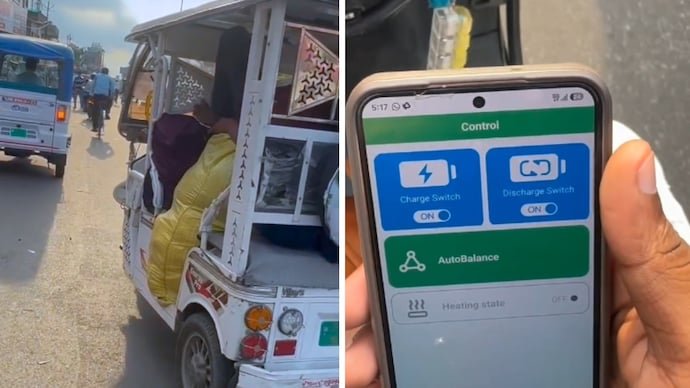
A unique cyber-enabled Fraud Case has emerged from Madhya Pradesh’s Ujjain, where police are investigating allegations that e-rickshaws were deliberately disabled through a Bluetooth-connected mobile application. According to investigators, drivers found themselves stranded after their vehicles suddenly stopped functioning, only to be approached moments later by individuals claiming to be technical experts WHO offered to restore the vehicles in exchange for payment.
The Investigation has attracted national attention because it combines traditional fraud with vulnerabilities in connected vehicle Technology. While the alleged financial losses per incident were relatively modest, the case demonstrates how weaknesses in Internet-connected systems can directly affect the livelihoods of thousands of workers who depend on Electric Vehicles for daily income.
Authorities are examining technical evidence, CCTV footage, and digital records to determine whether the incidents resulted from software vulnerabilities, unauthorized access to vehicle systems, or coordinated criminal activity.
What Happened in Ujjain?
According to police, several e-rickshaw drivers complained that their vehicles suddenly stopped working, particularly during late-night hours in relatively isolated locations.
Drivers alleged that shortly after their vehicles became non-functional, unknown individuals appeared at the scene claiming to possess technical expertise.
Within minutes, the same individuals allegedly restored the vehicles and demanded service charges ranging from Rs 200 to Rs 300, with some drivers reportedly paying even higher amounts.
Repeated complaints eventually prompted a joint investigation by the local police and Crime Branch.
Police Investigation Underway
Following complaints from drivers and their association, investigators launched an inquiry into the alleged scheme.
An 18-year-old suspect has been detained for questioning while investigators continue examining:
- Mobile application usage.
- Digital evidence.
- CCTV footage.
- Electronic device records.
- Potential involvement of additional suspects.
Police have stated that further legal action will depend on the evidence gathered during the investigation.
Understanding Bluetooth-Enabled Battery Management Systems (BMS)
Most modern electric vehicles, including many e-rickshaws, use a Battery Management System (BMS) to monitor battery performance, charging cycles, voltage, temperature, and overall Health.
Many manufacturers provide Bluetooth connectivity so technicians or owners can monitor battery information through smartphone applications.
When implemented securely, Bluetooth-enabled BMS technology helps improve battery efficiency, diagnostics, and maintenance.
What Does a Battery Management System Do?
| Function | Purpose |
|---|---|
| Battery monitoring | Tracks voltage, temperature, and battery health. |
| Charging management | Prevents overcharging and deep discharge. |
| Safety protection | Helps reduce battery-related risks. |
| Performance diagnostics | Provides maintenance information. |
| Bluetooth connectivity | Allows monitoring through compatible mobile apps. |
These systems have become increasingly common as electric mobility expands across India.
The Reported Security Vulnerability
The investigation has drawn attention to previously reported concerns involving certain Bluetooth-enabled Battery Management Systems used in some electric vehicles.
In particular, Cybersecurity discussions have highlighted situations where mobile applications could connect to nearby Bluetooth-enabled battery systems if proper authentication measures were absent.
If a system lacks adequate password protection or secure pairing mechanisms, unauthorized users located within Bluetooth range could potentially interact with the device.
Manufacturers have since introduced stronger authentication requirements in updated versions of affected software to improve security.
Why Bluetooth Security Matters
Bluetooth is designed as a short-range wireless communication technology. Although its range is limited, inadequate security settings can expose connected devices to unauthorized access.
Modern cybersecurity standards recommend several safeguards:
- Password authentication.
- Encrypted communication.
- Secure pairing procedures.
- User authorization.
- Software updates.
Without these protections, connected systems may become vulnerable to misuse.
How Connected Vehicles Are Changing Transportation
Electric vehicles are becoming increasingly digital.
Many now incorporate:
- Bluetooth connectivity.
- GPS tracking.
- Mobile applications.
- Remote diagnostics.
- Cloud-based monitoring.
- Smart battery management.
These technologies improve convenience and maintenance but also introduce cybersecurity considerations that were largely absent in traditional vehicles.
Cybersecurity Risks in Smart Mobility
The Ujjain investigation illustrates how digital vulnerabilities can create real-world consequences.
Potential risks associated with connected mobility systems include:
- Unauthorized device access.
- Service disruption.
- Financial fraud.
- Data theft.
- Loss of business income.
- Privacy concerns.
Cybersecurity has therefore become an increasingly important aspect of transportation technology.
Why E-Rickshaw Drivers Are Particularly Vulnerable
Most e-rickshaw drivers rely on daily earnings rather than fixed salaries.
Unexpected vehicle breakdowns can immediately affect their income, making them more likely to seek quick assistance from anyone offering help.
Limited technical Awareness regarding vehicle software and battery management systems may also make some drivers more susceptible to fraudulent schemes involving connected technology.
Comparison: Secure vs Insecure Bluetooth Systems
| Secure Bluetooth System | Potentially Vulnerable System |
|---|---|
| Password-protected access. | No authentication. |
| Encrypted communication. | Unsecured connections. |
| Authorized users only. | Nearby unauthorized access possible. |
| Regular software updates. | Outdated software. |
| Activity logging. | Limited monitoring. |
Manufacturers increasingly adopt the security features shown in the first column to reduce cyber risks.
Police Advisory for E-Rickshaw Drivers
Authorities have urged drivers to exercise caution if their vehicles suddenly stop functioning.
Police recommend:
- Contact only authorized service centers.
- Avoid paying unknown individuals claiming to be technicians.
- Record photographs or videos of suspicious persons if it is safe to do so.
- Note vehicle registration numbers where possible.
- Immediately report suspicious incidents to police or cybercrime authorities.
Prompt reporting may help investigators identify similar patterns affecting other drivers.
What Manufacturers Can Learn
The incident demonstrates why cybersecurity should be incorporated into product design from the earliest stages rather than being added later.
Manufacturers of connected electric vehicles can strengthen consumer protection by implementing:
- Mandatory password authentication.
- Automatic firmware updates.
- Multi-factor device pairing.
- Security testing before product release.
- Clear user education regarding mobile applications.
These measures reduce opportunities for unauthorized access while improving customer confidence.
Expert Insight: Cybersecurity Is Now a Road Safety Issue
Traditionally, vehicle safety focused on brakes, steering, and mechanical reliability. Today’s connected electric vehicles introduce an additional dimension: digital security. As transportation becomes increasingly software-driven, cybersecurity is no longer only an information technology concern it is also a matter of public safety, consumer protection, and economic security.
The Ujjain investigation demonstrates how even relatively simple software vulnerabilities can disrupt livelihoods when connected technologies become part of everyday transportation.
Growing Importance of Cybersecurity in India’s EV Sector
India’s electric mobility sector has expanded rapidly in recent years, with e-rickshaws becoming an important source of affordable transportation and employment across urban and semi-urban areas.
As digital features continue expanding, cybersecurity standards are expected to play a larger role in:
- Vehicle certification.
- Software development.
- Battery management systems.
- Connected mobility regulations.
- Consumer awareness initiatives.
Improved security practices will help ensure that technological innovation benefits both manufacturers and users.
Future Outlook
The ongoing police investigation will determine whether the alleged disruptions resulted from software vulnerabilities, deliberate unauthorized access, or other technical methods. Regardless of the final findings, the case has already highlighted the importance of cybersecurity in India’s rapidly growing electric vehicle ecosystem.
Manufacturers, software developers, regulators, and consumers are all likely to place greater emphasis on secure digital design, stronger authentication mechanisms, and user education to reduce similar risks in the future.
Conclusion
The alleged Bluetooth-based e-rickshaw fraud in Ujjain represents more than an isolated criminal investigation it illustrates the growing intersection between cybersecurity and everyday transportation. As electric vehicles become increasingly connected through mobile applications and smart battery systems, digital vulnerabilities can translate into real-world financial losses and public safety concerns.
While investigators continue examining the evidence, the incident serves as an important reminder that technological innovation must be accompanied by robust cybersecurity safeguards. Strong authentication, regular software updates, secure product design, and greater user awareness will be essential to ensuring that India’s expanding electric mobility revolution remains both efficient and secure.
For breaking news and live news updates, like us on Facebook or follow us on Twitter and Instagram. Read more on Latest India on thefoxdaily.com.






COMMENTS 0