- What we know so far
- A place meant for relaxation
- How situations like this escalate so quickly
- The response: fast, but fragmented
- No ongoing threat but unanswered questions
- The bigger issue: safety at “unofficial” events
- Why this matters beyond Oklahoma
- What could change after this
- A difficult balance
- Conclusion: more than just a single incident
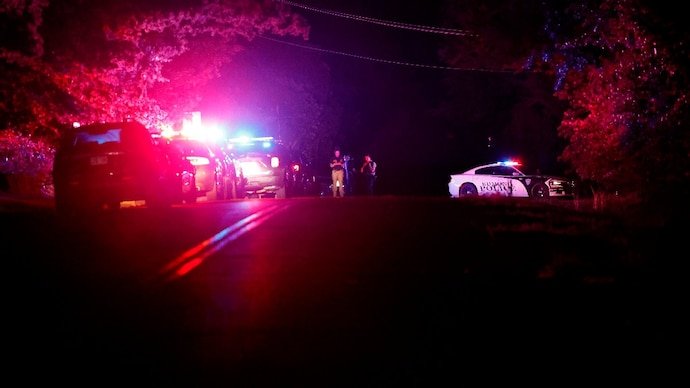
What began as a casual night by the water quickly turned into panic and confusion after gunfire erupted at a party near Arcadia Lake, just outside Oklahoma City. At least 10 people were injured, with victims rushed to hospitals in a mix of ambulances and private vehicles.
The shooting, which happened around 9 PM, is now under investigation. Police say there is no ongoing threat, but the incident has left behind more than just injuries it has raised uncomfortable questions about how safe large, unregulated gatherings really are.
What we know so far
According to local authorities, the shooting took place during a gathering of young people near the lake, a well-known recreational spot about 13 miles north of Oklahoma City.
Multiple calls reporting gunfire came in almost simultaneously, suggesting the scene turned chaotic within seconds. When officers arrived, they found several people injured, while others had already left the area seeking medical help on their own.
The victims are reported to be in “various conditions”, though officials have not released detailed updates about their injuries.
So far, no arrests have been made.
A place meant for relaxation
Arcadia Lake isn’t typically associated with violence. It’s a go-to destination for fishing trips, picnics, boating weekends, and quiet evenings. Families come here. Friends gather here. It’s the kind of place where people expect calm not crisis.
That contrast is exactly what makes this incident so unsettling.
When violence breaks out in locations people associate with safety, it changes how those spaces are perceived sometimes for a long time.
How situations like this escalate so quickly
Incidents at large informal gatherings often follow a similar pattern. There’s no guest list, no security, and no real structure. People come and go freely. That freedom is part of the appeal but it also creates risk.
In environments like this, even a small Conflict can escalate rapidly. Add darkness, crowd noise, and confusion, and it becomes difficult to control what’s happening or even understand it in real time.
By the time police are called, the situation has often already spiraled.
The response: fast, but fragmented
Emergency responders acted quickly, but the nature of the scene meant the response wasn’t perfectly coordinated and that’s not unusual.
In chaotic incidents:
- Some victims wait for ambulances
- Others leave immediately with friends
- Hospitals receive patients without prior notice
This creates a scattered response pattern, making it harder for authorities to immediately assess the full scale of the situation.
No ongoing threat but unanswered questions
Police have said there is no indication of an ongoing threat to the public. That suggests the shooting may have been targeted or limited to a specific conflict rather than a random attack.
Still, several key questions remain:
- What triggered the shooting?
- Was it a personal dispute or something more organized?
- How did a weapon enter the gathering unnoticed?
Until those answers emerge, the sense of unease lingers.
The bigger issue: safety at “unofficial” events
This incident highlights a growing gap in public safety events that aren’t officially organized but attract large crowds anyway.
Unlike concerts or festivals, these gatherings don’t have:
- Security personnel
- Controlled entry points
- Emergency protocols
They exist in a grey area public spaces used privately, without oversight.
And that’s where the risk lies.
Why this matters beyond Oklahoma
Even though this happened near Oklahoma City, the pattern is familiar across many regions.
Large, informal gatherings have become more common, especially with Social Media making it easy to organize meetups quickly. But safety measures haven’t kept up with that trend.
The result is a mismatch:
- Big crowds
- Minimal planning
- High unpredictability
That combination can turn dangerous fast.
What could change after this
Incidents like this often push local authorities to rethink how public spaces are managed.
Possible responses may include:
- Increased police patrols at popular gathering spots
- Restrictions on nighttime group activities
- Stronger monitoring of large social meetups
But these measures come with trade-offs especially when it comes to personal freedom and access to public spaces.
A difficult balance
There’s an ongoing challenge here: how do you keep public spaces open and accessible while also ensuring they’re safe?
Too much control, and people feel restricted.
Too little, and situations like this can happen.
There’s no easy answer but incidents like the Arcadia Lake shooting make it clear that the current balance may not be working.
Conclusion: more than just a single incident
The shooting near Arcadia Lake isn’t just about one night or one location. It reflects a broader issue how quickly normal situations can turn dangerous when structure and oversight are missing.
For now, the focus remains on the injured and the ongoing investigation. But the bigger conversation is already beginning.
Because the real question isn’t just what happened that night.
It’s how to prevent the next one.
For breaking news and live news updates, like us on Facebook or follow us on Twitter and Instagram. Read more on Latest World on thefoxdaily.com.




COMMENTS 0