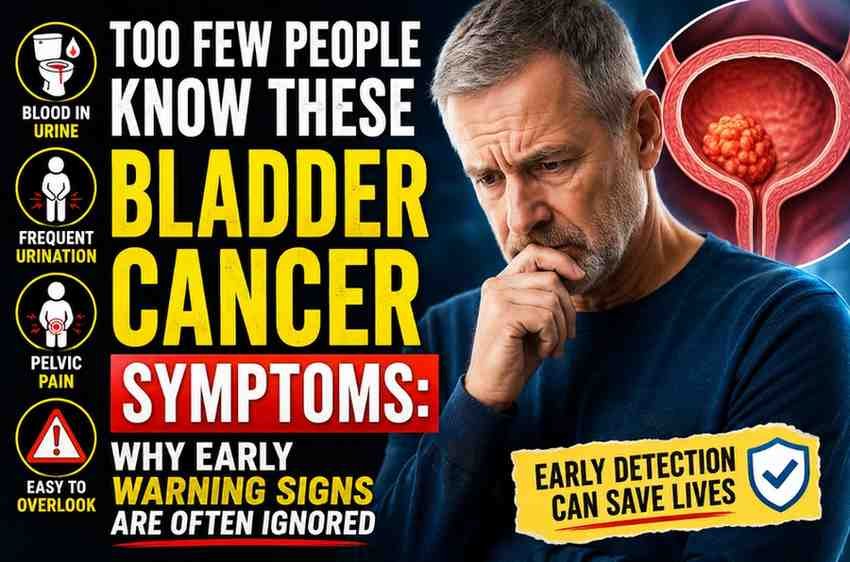
Despite being one of the more common cancers worldwide, bladder cancer symptoms remain widely misunderstood and often ignored. Many people are unaware that the body gives early warning signals—signals that, if recognized in time, can dramatically improve outcomes.
Who: Adults, particularly those over 50 and smokers
What: Low awareness of bladder cancer symptoms
When: Symptoms often appear early but go unnoticed
Where: Globally, across urban and rural populations
Why: Misinterpretation of signs and lack of public education
How: Through subtle but critical symptoms like blood in urine and urinary changes
This is not just a Health issue—it’s an awareness crisis.
Understanding Bladder Cancer: A Quick Overview
Bladder cancer develops when abnormal cells grow in the lining of the bladder. In its early stages, it is often confined to the inner lining, making it highly treatable. However, if left undetected, it can invade deeper tissues and spread.
The paradox: bladder cancer often shows symptoms early—but those symptoms are frequently ignored.
The Most Important Symptoms You Should Never Ignore
1. Blood in Urine (Hematuria)
This is the most common and significant symptom.
- Urine may appear pink, red, or brown
- Sometimes the blood is microscopic and only found in tests
Key insight: Even a single episode of blood in urine warrants medical attention.
2. Frequent Urination
Needing to urinate more often without a clear reason can indicate bladder irritation.
3. Pain or Burning Sensation
Often confused with infections, persistent discomfort during urination should not be ignored.
4. Urgency Without Much Output
A constant urge to urinate with little result may signal underlying issues.
5. Pelvic or Lower Back Pain
Usually associated with more advanced stages, but still an important warning sign.
Why Bladder Cancer Symptoms Are Often Missed
One of the biggest challenges is that these symptoms mimic common conditions:
- Urinary tract infections (UTIs)
- Kidney stones
- Prostate enlargement
Because of this overlap, people often delay proper diagnosis.
Insight: The real danger is not rare symptoms—it’s familiar symptoms being dismissed as harmless.
Who Is at Higher Risk?
- Smokers: Chemicals from tobacco are a major risk factor
- Older adults: Risk increases significantly with age
- Workplace exposure: Chemicals in industries like dye, rubber, and leather
- Chronic bladder irritation: Long-term infections or inflammation
Understanding risk factors helps people stay alert to early signs.
Comparison: Bladder Cancer vs Common Urinary Issues
| Feature | Bladder Cancer | Common Conditions |
|---|---|---|
| Blood in urine | Often painless | Usually with discomfort |
| Symptom duration | Persistent or recurring | Temporary |
| Response to treatment | No improvement with basic medication | Improves quickly |
| Severity progression | Gradually worsens | Resolves with care |
Why Early Detection Is a Game-Changer
Bladder cancer is one of the few cancers where early detection can significantly improve survival rates.
- Early-stage treatment is less invasive
- Higher chances of complete recovery
- Reduced risk of spread
Delay, however, can lead to complex treatments and lower survival chances.
The Behavioral Gap: Why People Ignore Symptoms
Awareness is not just about knowledge—it’s about action. Many people delay seeking help due to:
- Assuming symptoms are minor
- Fear of serious diagnosis
- Lack of awareness about bladder cancer
This delay is often more dangerous than the disease itself.
A Unique Insight: The “Visibility Paradox”
Bladder cancer presents a rare situation in medicine—it often shows visible signs (like blood in urine), yet remains largely invisible in public awareness.
This creates a dangerous gap where symptoms exist, but recognition does not.
Closing this gap could save thousands of lives.
What You Should Do If You Notice Symptoms
- Never ignore blood in urine—even once
- Seek medical advice immediately
- Follow up if symptoms persist after initial treatment
- Ask for further evaluation if needed
Early action can be life-saving.
The Future: Why Awareness Must Improve
Health experts believe that increasing awareness is one of the most effective ways to reduce bladder cancer deaths.
- Public health campaigns can highlight early symptoms
- Routine screenings may become more common
- Digital tools may help track warning signs
The future of bladder cancer care depends not just on treatment—but on recognition.
Conclusion
Too few people understand the symptoms of bladder cancer, and that lack of awareness leads to delayed diagnosis and poorer outcomes.
Recognizing early warning signs—especially blood in urine—can make a life-saving difference.
Final thought: Your body often speaks before disease progresses. The key is to listen—and act in time.
For breaking news and live news updates, like us on Facebook or follow us on Twitter and Instagram. Read more on Latest Health on thefoxdaily.com.






COMMENTS 0