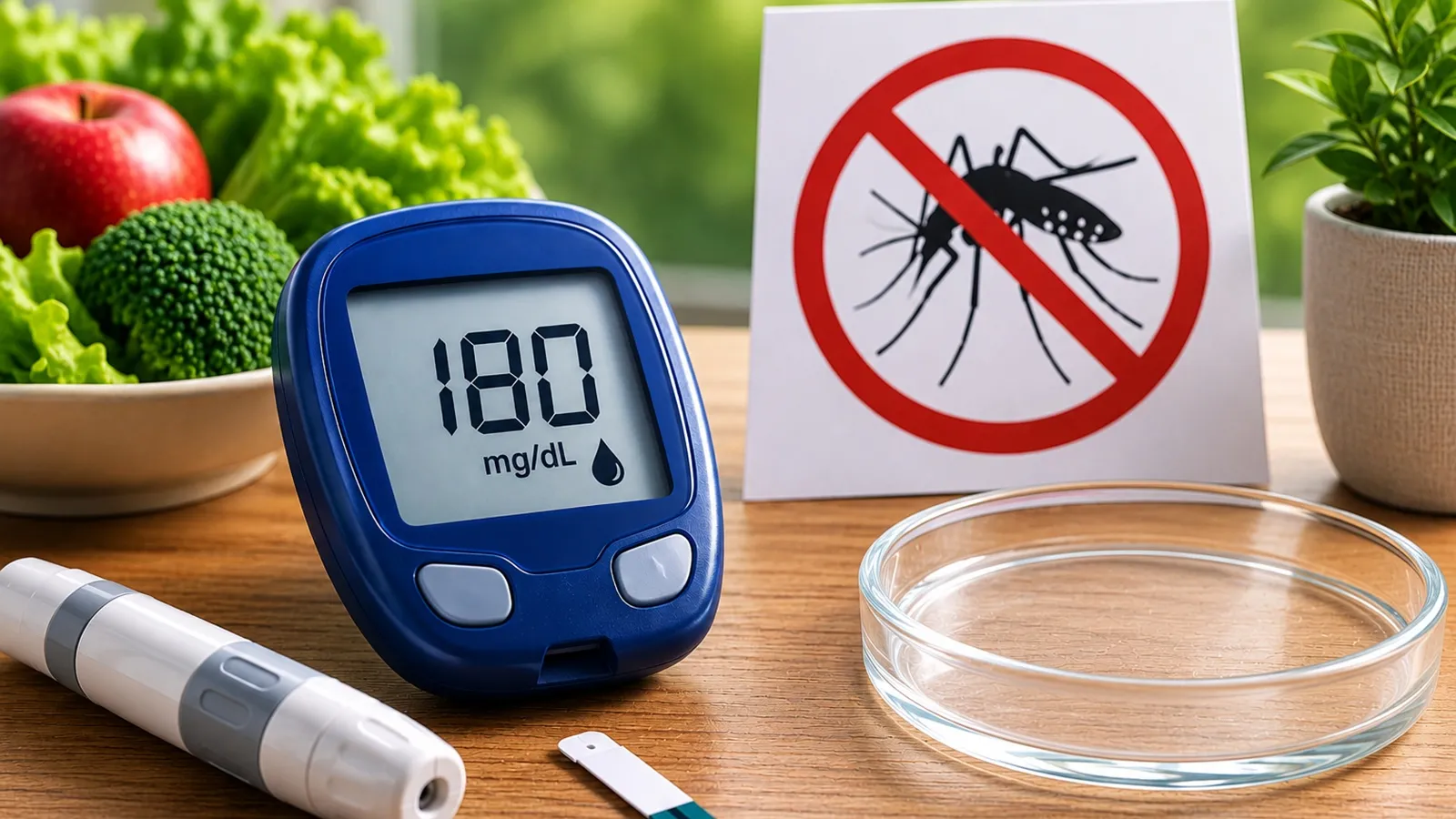
Dengue fever continues to be one of the fastest-growing mosquito-borne viral diseases worldwide, with seasonal outbreaks affecting millions of people every year. For most healthy individuals, dengue causes a high fever, severe body aches, and fatigue before resolving with supportive treatment. However, not everyone faces the same level of risk.
According to a review paper scheduled for publication in the International Journal of Diabetes & Technology, people living with type 2 diabetes may have a significantly higher likelihood of developing severe dengue complications. Researchers argue that persistent high blood sugar can weaken immune defenses, damage blood vessels, and increase inflammatory responses, potentially making dengue infections more dangerous.
The review has also reignited discussion about whether dengue vaccination should become part of routine diabetes care in regions where dengue is endemic. Although experts emphasize that vaccination policies must follow national guidelines and approved indications, the paper highlights an important public Health question as both diabetes and dengue continue to rise across many tropical countries.
Understanding the connection between diabetes and dengue is essential—not to create unnecessary alarm, but to help people recognize warning signs early, manage their blood sugar effectively, and reduce the risk of life-threatening complications.
Quick Overview: Diabetes and Dengue
| Topic | Key Information |
|---|---|
| Condition | Type 2 Diabetes |
| Main Concern | Higher risk of severe dengue complications |
| Why It Matters | High blood sugar can impair immunity and damage blood vessels |
| Potential Complications | Dengue haemorrhagic fever, internal bleeding, dengue shock syndrome |
| Best Protection | Blood sugar control, mosquito prevention, early medical attention |
Why Does Diabetes Increase the Risk of Severe Dengue?
Diabetes affects much more than blood sugar levels. Over time, persistently elevated glucose can alter immune function, damage blood vessels, and increase chronic inflammation throughout the body.
When a dengue infection occurs, these underlying changes may make it harder for the body to mount a balanced immune response.
According to the review authors, people with diabetes may experience:
- Reduced ability to fight viral infections.
- Greater inflammation during illness.
- More fragile blood vessels.
- Higher likelihood of fluid leakage from blood vessels.
- Increased risk of severe complications.
Rather than responding proportionately to infection, the immune system may overreact, leading to widespread inflammation that damages healthy tissues.
Understanding the “Cytokine Storm”
One of the most dangerous complications highlighted by researchers is the possibility of a cytokine storm.
Cytokines are proteins released by the immune system to coordinate the body’s defense against infections. Normally, they help eliminate viruses and promote recovery.
However, excessive cytokine release can become harmful.
During a cytokine storm, the immune response becomes uncontrolled, triggering widespread inflammation, increased blood vessel permeability, bleeding complications, and organ dysfunction.
In severe dengue, this exaggerated response may contribute to:
- Dengue haemorrhagic fever.
- Internal bleeding.
- Plasma leakage.
- Dangerously low blood pressure.
- Dengue shock syndrome.
Although cytokine storms can occur in people without diabetes, experts believe poorly controlled blood sugar may increase susceptibility to this inflammatory cascade.
What Does the New Review Actually Say?
The review paper was led by diabetologist Dr Jothydev Kesavadev and co-authored by diabetes specialists across India along with Dr Niti Pall, President-Elect of the International Diabetes Federation Europe.
The authors argue that dengue prevention deserves greater attention within diabetes management, particularly in countries where both diseases are highly prevalent.
India alone has more than 100 million people living with diabetes, making the overlap between dengue outbreaks and metabolic disease an increasingly important public health concern.
The review recommends considering dengue vaccination as part of routine diabetes care where appropriate and in accordance with approved national recommendations.
Important Context: A Review Is Not the Same as a Clinical Trial
Experts caution against overinterpreting the findings.
Dr Rajiv Kovil notes that the publication is a review of existing evidence rather than a randomized controlled trial.
This distinction matters because observational studies identify associations but cannot prove direct cause-and-effect relationships.
Several other factors may also contribute to poorer outcomes among people with diabetes, including:
- Older age.
- Obesity.
- Kidney disease.
- High blood pressure.
- Poor long-term glucose control.
These conditions frequently coexist with diabetes and independently increase the risk of complications from infectious diseases.
Common Symptoms of Dengue
Early dengue symptoms are generally similar regardless of whether a person has diabetes.
- Sudden high fever.
- Severe headache.
- Pain behind the eyes.
- Muscle and joint pain.
- Nausea or vomiting.
- Skin rash.
- Extreme fatigue.
These symptoms typically appear several days after being bitten by an infected mosquito.
Warning Signs People With Diabetes Should Never Ignore
Experts recommend that individuals with diabetes seek medical attention promptly if dengue symptoms are accompanied by any warning signs.
| Warning Sign | Why It Matters |
|---|---|
| Persistent vomiting | May indicate worsening illness or dehydration |
| Severe abdominal pain | Possible sign of severe dengue |
| Bleeding gums or nose | May suggest clotting abnormalities |
| Reduced urine output | Possible dehydration or kidney involvement |
| Dizziness or fainting | May signal falling blood pressure |
| Sudden weakness or unusual drowsiness | Potential indicator of disease progression |
People with diabetes should also monitor blood glucose levels more frequently because infections often cause unpredictable fluctuations.
Why Blood Sugar Can Become Difficult to Control During Dengue
Any serious infection places the body under stress.
Stress hormones released during illness can cause blood sugar levels to rise, even when eating less than usual.
Conversely, poor appetite, vomiting, and dehydration may increase the risk of low blood sugar in people taking insulin or certain diabetes medications.
This unpredictable pattern makes regular glucose monitoring particularly important throughout the illness.
How Dengue Treatment May Differ for Someone With Diabetes
There is currently no antiviral medication that specifically cures dengue.
Treatment focuses on supportive care, hydration, symptom management, and close monitoring.
For people living with diabetes, healthcare providers may recommend additional precautions.
- Frequent blood glucose monitoring.
- Assessment of hydration status.
- Regular platelet count checks.
- Monitoring kidney function.
- Temporary adjustment of diabetes medications when necessary.
Medication changes should only be made under medical supervision because dehydration and reduced food intake can alter how diabetes medicines affect the body.
Can Good Diabetes Control Reduce Risk?
Although no strategy completely eliminates the risk of severe dengue, maintaining stable blood sugar offers several important advantages.
Good glycaemic control helps:
- Support healthier immune function.
- Reduce chronic inflammation.
- Improve blood vessel health.
- Enhance recovery from infections.
- Lower the likelihood of diabetes-related complications.
Experts therefore emphasize that effective diabetes management remains one of the most practical ways to strengthen overall health during dengue season.
How to Prevent Dengue
Because dengue is spread through the bite of infected Aedes mosquitoes, preventing mosquito bites remains the most effective protective measure.
- Apply mosquito repellents as directed.
- Wear long-sleeved clothing, especially during daytime.
- Use window screens and mosquito nets where appropriate.
- Remove stagnant water around homes.
- Keep water storage containers covered.
- Seek medical advice promptly if fever develops.
Community-level mosquito control is equally important because reducing mosquito breeding sites protects entire neighborhoods.
Should Everyone With Diabetes Receive a Dengue Vaccine?
The review recommends incorporating dengue vaccination into routine diabetes care in endemic regions, but experts stress that vaccination decisions should always follow national public health policies and approved clinical indications.
Dengue vaccines are not universally recommended for every individual, and eligibility depends on several factors, including age, local guidelines, prior infection history, and vaccine approval status.
Patients should discuss vaccination with their healthcare provider rather than making decisions based solely on headlines.
Comparison: Dengue Risk in Healthy Adults vs People With Poorly Controlled Diabetes
| Factor | Healthy Adult | Poorly Controlled Type 2 Diabetes |
|---|---|---|
| Immune response | Usually balanced | May be impaired |
| Inflammation | Generally regulated | Often heightened |
| Blood vessel health | Usually intact | May already be damaged |
| Risk of severe complications | Lower | Potentially higher |
| Need for closer monitoring | Moderate | High |
Why This Matters for Public Health
India faces a dual challenge: one of the world’s largest populations living with diabetes and recurring seasonal dengue outbreaks.
As urbanization, climate change, and mosquito habitats continue to expand, more people may find themselves affected by both conditions simultaneously.
Recognizing diabetes as a possible risk factor for severe dengue could help healthcare systems identify vulnerable patients earlier, encourage timely treatment, and improve outcomes during outbreaks.
Future Outlook
The latest review adds to growing evidence that chronic metabolic diseases can influence how the body responds to infectious illnesses. Future research is expected to clarify which patients benefit most from targeted preventive strategies, how blood sugar control affects dengue severity, and whether vaccination policies should evolve for high-risk populations.
Large prospective clinical studies will be necessary before definitive recommendations can be made. Until then, experts agree that prevention, early diagnosis, and careful diabetes management remain the cornerstones of reducing severe dengue risk.
Conclusion
The relationship between type 2 diabetes and severe dengue highlights the importance of viewing chronic and infectious diseases together rather than separately. While the latest review does not establish direct causation, it reinforces evidence that high blood sugar, impaired immunity, and chronic inflammation may increase vulnerability to serious dengue complications.
For people living with diabetes, the most effective approach remains consistent blood sugar management, mosquito bite prevention, prompt recognition of warning signs, and early medical care. As researchers continue exploring the connection, greater awareness among patients and healthcare providers could play a crucial role in reducing complications and improving outcomes during dengue season.
For breaking news and live news updates, like us on Facebook or follow us on Twitter and Instagram. Read more on Latest Lifestyle on thefoxdaily.com.






COMMENTS 0