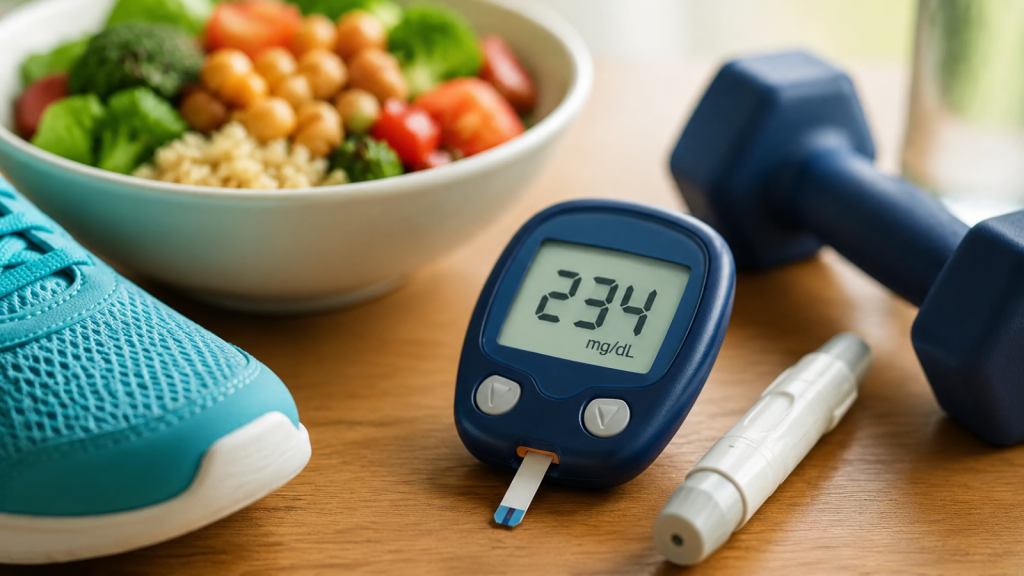
A Blood Sugar reading of 234 mg/dL two hours after a meal is significantly higher than the normal target for most adults and should not be ignored. While a single elevated reading does not automatically confirm Diabetes, it strongly suggests that your body may not be regulating blood glucose effectively. The next steps should include confirming the diagnosis with appropriate laboratory tests, evaluating your overall health, and beginning lifestyle modifications under medical guidance.
Diabetes is one of the fastest-growing health conditions worldwide, and early diagnosis can prevent serious complications affecting the heart, kidneys, eyes, nerves, and blood vessels. Fortunately, many people can successfully manage high blood sugar through a combination of healthy eating, regular physical activity, weight management, and medications when necessary.
If your two-hour post-meal blood sugar consistently measures around 234 mg/dL, it is important to consult a healthcare professional promptly rather than attempting self-treatment.
Is 234 mg/dL Two Hours After Eating Normal?
No. For most healthy adults, blood glucose levels should return to a much lower range within two hours after eating.
| Blood Sugar Test | General Reference Range |
|---|---|
| Fasting Blood Sugar | Below 100 mg/dL is generally considered normal |
| Two-Hour Post-Meal (PPBS) | Usually below 140 mg/dL in people without diabetes |
| Random Blood Sugar | Persistent readings of 200 mg/dL or higher with symptoms require medical evaluation |
| HbA1c | Reflects average blood sugar over the previous 2–3 months |
A post-meal reading of 234 mg/dL is above the usual target and warrants further medical assessment.
Does One High Reading Mean You Have Diabetes?
Not necessarily. Blood sugar levels can temporarily rise because of illness, stress, certain medications, heavy meals, or inaccurate testing. However, a reading this high should never be dismissed.
Your doctor will usually recommend additional tests before making a diagnosis.
Tests Your Doctor May Recommend
- Fasting Blood Sugar (FBS)
- HbA1c (Glycated Hemoglobin)
- Repeat Post-Prandial Blood Sugar (PPBS)
- Oral Glucose Tolerance Test (OGTT), if required
- Kidney function tests
- Lipid profile
- Blood pressure assessment
Together, these tests help determine whether you have diabetes, prediabetes, or another condition affecting blood sugar.
Why Blood Sugar Rises After Meals
When you eat, carbohydrates are broken down into glucose, which enters the bloodstream. The pancreas releases insulin to help move glucose into the body’s cells for energy.
High post-meal blood sugar can occur when:
- The body does not produce enough insulin.
- Cells become resistant to insulin (insulin resistance).
- The pancreas cannot meet the body’s insulin demand.
- Meals contain excessive refined carbohydrates or sugary foods.
- Physical activity levels are low.
Common Symptoms of High Blood Sugar
Some people have no symptoms in the early stages, while others may notice:
- Frequent urination
- Excessive thirst
- Increased hunger
- Fatigue
- Blurred vision
- Slow-healing wounds
- Frequent infections
- Unexplained weight loss
If you experience these symptoms along with high blood sugar readings, seek medical advice promptly.
Can Lifestyle Changes Help?
Yes. For many individuals—especially those diagnosed early—healthy lifestyle changes can significantly improve blood sugar control. However, some people may also require medication depending on their glucose levels and overall health.
1. Improve Your Diet
Choose foods that help maintain steady blood sugar levels.
- Eat more vegetables.
- Include whole grains instead of refined grains.
- Choose lean protein sources.
- Eat healthy fats in moderation.
- Reduce sugary beverages and sweets.
- Limit highly processed foods.
- Control portion sizes.
2. Exercise Regularly
Regular physical activity improves insulin sensitivity and helps muscles use glucose more efficiently.
Aim for at least:
- 150 minutes of moderate-intensity aerobic exercise each week.
- Strength training at least twice weekly.
- Less prolonged sitting during the day.
3. Maintain a Healthy Weight
If you are overweight, even modest weight loss can improve insulin sensitivity and blood sugar control.
4. Sleep Well
Poor sleep can worsen insulin resistance and increase blood sugar levels. Most adults benefit from 7–9 hours of quality sleep each night.
5. Manage Stress
Chronic stress may increase blood glucose through hormonal changes. Relaxation techniques, mindfulness, yoga, and regular exercise may help.
When Might Medication Be Needed?
Medication may be recommended if:
- Blood sugar remains high despite lifestyle changes.
- HbA1c is significantly elevated.
- You have symptoms of diabetes.
- You have other risk factors such as obesity, hypertension, or cardiovascular disease.
Only a qualified healthcare professional can determine the most appropriate treatment plan.
Possible Complications of Uncontrolled Diabetes
Persistently high blood sugar can damage blood vessels and nerves over time.
Potential complications include:
- Heart disease
- Stroke
- Kidney disease
- Vision loss (diabetic retinopathy)
- Nerve damage (neuropathy)
- Foot ulcers and infections
Good blood sugar control significantly reduces the risk of these complications.
Should You Monitor Blood Sugar at Home?
Home glucose monitoring may help track how your body responds to meals, exercise, medications, and lifestyle changes. Your healthcare provider can advise how often you should check your blood sugar and what targets are appropriate for you.
When Should You Seek Immediate Medical Care?
Seek urgent medical attention if high blood sugar is accompanied by:
- Confusion
- Difficulty breathing
- Persistent vomiting
- Severe dehydration
- Extreme drowsiness
- Loss of consciousness
These symptoms may indicate a serious medical emergency requiring immediate treatment.
Can Diabetes Be Prevented?
While not all cases can be prevented, many instances of type 2 diabetes can be delayed or avoided by maintaining a healthy weight, eating a balanced diet, staying physically active, avoiding tobacco, and having regular health check-ups—especially if you have a family history of diabetes.
Frequently Asked Questions
Is a post-meal blood sugar of 234 mg/dL dangerous?
It is significantly higher than the normal post-meal range and requires prompt medical evaluation. A single reading does not confirm diabetes but should not be ignored.
Can one meal cause such a high reading?
A carbohydrate-heavy meal can temporarily raise blood sugar, but a reading of 234 mg/dL two hours after eating warrants further testing to rule out diabetes or other glucose regulation problems.
What is the best next step?
Schedule an appointment with your healthcare provider for confirmatory tests such as fasting blood sugar and HbA1c, and begin adopting healthier lifestyle habits.
Will I definitely need diabetes medication?
Not necessarily. Treatment depends on your test results, overall health, and how well blood sugar responds to lifestyle changes. Some people require medication immediately, while others can initially manage with diet and exercise under medical supervision.
Key Takeaways
- A blood sugar level of 234 mg/dL two hours after a meal is higher than the normal target and should be medically evaluated.
- A single high reading does not confirm diabetes but indicates the need for further testing.
- HbA1c and fasting blood sugar tests are important for confirming the diagnosis.
- Healthy eating, regular exercise, weight management, and adequate sleep play a major role in blood sugar control.
- Early diagnosis and treatment can prevent serious long-term complications affecting the heart, kidneys, eyes, and nerves.
- Never start or stop diabetes medication without consulting a qualified healthcare professional.
Conclusion
A two-hour post-meal blood sugar level of 234 mg/dL is an important warning sign that deserves prompt medical attention. Although one elevated reading alone is not enough to diagnose diabetes, it strongly suggests that your body’s glucose regulation should be evaluated with additional laboratory tests. The earlier high blood sugar is identified, the greater the opportunity to prevent complications through timely intervention.
Whether the cause turns out to be prediabetes, type 2 diabetes, or another condition, adopting healthier eating habits, staying physically active, maintaining a healthy weight, and following your healthcare provider’s advice can make a substantial difference. Rather than causing alarm, this result should serve as motivation to take proactive steps toward protecting your long-term health.
For breaking news and live news updates, like us on Facebook or follow us on Twitter and Instagram. Read more on Latest Lifestyle on thefoxdaily.com.



COMMENTS 0