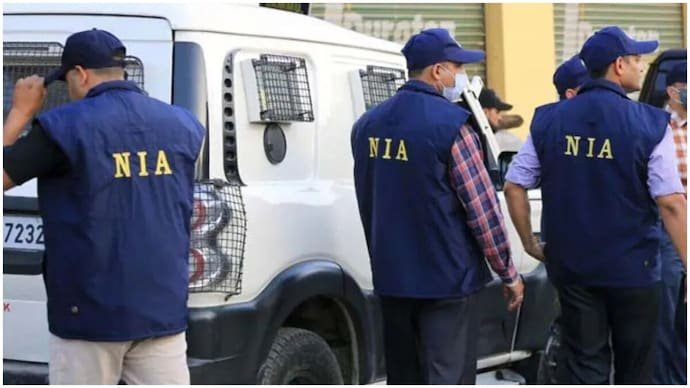
The National Investigation Agency (NIA) has expanded its investigation into a major Cambodia-linked cyber slavery and Human Trafficking network by conducting coordinated raids across multiple locations in Bihar, Uttar Pradesh, and Delhi. The operation is part of an ongoing effort to dismantle an international syndicate that allegedly recruited vulnerable Indian youth with promises of lucrative overseas employment before trapping them inside scam compounds operating in Cambodia.
The case has become one of India‘s most significant investigations into the growing menace of cyber slavery—a form of modern human trafficking where victims are coerced into conducting online financial frauds, cryptocurrency scams, fake Investment schemes, romance scams, and other cybercrimes under constant surveillance and physical abuse.
Investigators believe the network functioned through a sophisticated chain of recruiters, travel facilitators, overseas handlers, and criminal organizations operating across national borders. The latest searches are aimed at identifying additional associates, gathering digital evidence, and dismantling the financial and logistical infrastructure supporting the racket.
What Happened During the Latest NIA Raids?
As part of its continuing investigation, the NIA searched six locations connected to individuals suspected of assisting the trafficking syndicate.
The searches covered:
- Gopalganj, Bihar
- Siwan, Bihar
- Saran, Bihar
- East Champaran, Bihar
- One location in Uttar Pradesh
- One location in Delhi
During the raids, investigators recovered smartphones, laptops, electronic storage devices, digital communication equipment, financial records, and other documents believed to be relevant to the investigation.
Digital evidence has become particularly important because cyber trafficking networks rely heavily on encrypted messaging applications, online recruitment platforms, Social Media, digital payment channels, and cloud-based communication to coordinate operations across countries.
What Is the Cambodia Cyber Slavery Case?
The case revolves around an organized international trafficking syndicate accused of recruiting Indian citizens through fraudulent overseas job advertisements.
Victims were allegedly promised attractive salaries in sectors such as customer support, digital marketing, IT services, hospitality, and Business process outsourcing.
Instead of legitimate employment, many reportedly found themselves transported to heavily guarded scam compounds in Cambodia, where they were forced to participate in organized cybercrime targeting victims around the world.
Investigators allege that once victims landed in Cambodia, their passports and travel documents were confiscated, effectively preventing them from leaving the facilities or returning to India.
How the Human Trafficking Network Allegedly Operated
The investigation indicates that the criminal operation followed a structured recruitment model designed to appear legitimate.
| Stage | How the Network Allegedly Operated |
|---|---|
| Recruitment | Agents advertised attractive overseas jobs with high salaries. |
| Documentation | Victims were assisted with passports, visas and travel arrangements. |
| Departure | Individuals travelled legally believing they had secured genuine employment. |
| Arrival | Passports were allegedly seized immediately after reaching Cambodia. |
| Confinement | Victims were placed inside scam compounds under strict supervision. |
| Forced Labour | They were allegedly compelled to conduct online fraud targeting international victims. |
This organized model mirrors trafficking patterns identified across several Southeast Asian countries over the past few years.
Who Is the Main Accused?
According to the NIA, the investigation centers around absconding accused Anand Kumar Singh, also known as Munna Singh, WHO is alleged to have played a key role in organizing recruitment and overseas trafficking.
The agency previously filed a chargesheet against him and four associates:
- Anand Kumar Singh (Munna Singh)
- Prahlad Kumar Singh
- Abhay Nath Dubey
- Abhiranjan Kumar
- Rohit Yadav
Earlier investigations also resulted in the arrest of several alleged associates after they returned to India from Cambodia.
What Is Cyber Slavery?
Cyber slavery is an emerging form of human trafficking in which victims are forced to commit online crimes instead of traditional forms of forced labour.
Victims often become unwilling participants in:
- Investment fraud
- Cryptocurrency scams
- Romance scams
- Online betting fraud
- Fake customer support scams
- Phishing campaigns
- Identity theft operations
- Financial fraud through messaging platforms
Unlike conventional trafficking, cyber slavery combines organized crime, digital Technology, international money laundering, and human exploitation into a highly profitable criminal enterprise.
Victims Allegedly Faced Severe Abuse
According to statements recorded during the investigation, victims allegedly endured harsh conditions after arriving in Cambodia.
The NIA says individuals reported:
- Confiscation of passports
- Restriction of movement
- Physical confinement
- Denial of food and drinking water
- Electric shocks
- Mental harassment
- Threats of violence
- Forced participation in online scams
Such allegations resemble patterns documented by international organizations investigating cyber scam compounds operating in parts of Southeast Asia.
Why Cambodia Has Become a Major Hub for Cyber Scam Compounds
Over recent years, international law enforcement agencies have identified parts of Southeast Asia as major centers for organized cyber fraud.
Several criminal groups have established highly secured compounds where trafficked workers are allegedly forced to conduct online scams targeting victims worldwide.
Factors contributing to the growth of such networks include:
- Rapid expansion of digital financial services
- Cross-border criminal syndicates
- Weak enforcement in certain regions
- Availability of trafficked labour
- Cryptocurrency-based payment systems
- International money laundering channels
These operations often function like corporate offices, complete with supervisors, performance targets, digital infrastructure, and multilingual employees who are themselves trafficking victims.
Why Young Indians Become Easy Targets
Investigators say traffickers primarily target educated but unemployed or underemployed youth searching for better opportunities abroad.
Common bait includes:
- High monthly salaries
- Free accommodation
- Air tickets
- Visa assistance
- No prior experience required
- Immediate joining offers
- Jobs in IT or customer support
Many fraudulent advertisements closely resemble legitimate recruitment campaigns, making them difficult to identify.
Digital Recruitment Has Changed Human Trafficking
Traditional trafficking often relied on physical recruiters. Modern syndicates increasingly use digital platforms.
Recruiters commonly approach victims through:
- Telegram
- Employment websites
- Freelance job portals
- Private messaging groups
This digital-first recruitment model enables criminal organizations to reach thousands of potential victims with minimal risk.
How the NIA Investigation Has Progressed
The investigation has expanded steadily over the past year.
Major developments include:
- Identification of an international trafficking network.
- Arrest of several alleged associates returning from Cambodia.
- Filing of chargesheets against key accused.
- Recovery of digital evidence during multiple raids.
- Identification of recruitment channels operating inside India.
- Continued efforts to locate absconding accused.
The latest searches indicate investigators are now focusing on the broader support network that allegedly facilitated recruitment, travel arrangements, communication, and financial transactions.
Why Digital Evidence Matters
Modern organized crime leaves an extensive digital footprint.
Electronic devices recovered during searches may help investigators establish:
- Communication between recruiters
- Financial transactions
- Travel planning
- Victim databases
- International contacts
- Encrypted chat records
- Payment instructions
- Cryptocurrency transactions
Such evidence often becomes crucial in proving links between domestic recruiters and overseas criminal organizations.
How Job Seekers Can Avoid Overseas Recruitment Scams
Authorities frequently advise individuals seeking employment abroad to verify every job offer independently before accepting it.
Basic precautions include:
- Verify the employer’s registration.
- Use licensed recruitment agencies.
- Check visa details independently.
- Avoid paying large recruitment fees.
- Confirm the company’s physical address.
- Keep copies of passports and travel documents.
- Share travel details with family members.
- Contact Indian diplomatic missions if suspicious circumstances arise overseas.
Why This Investigation Matters Beyond One Criminal Case
The Cambodia cyber slavery investigation highlights how organized crime has evolved from conventional trafficking into technology-driven international operations.
Instead of exploiting victims solely through physical labour, criminal syndicates increasingly force trafficked individuals to become instruments of financial fraud, creating victims on both sides—the trafficked workers and the people ultimately cheated through online scams.
The case also illustrates the growing overlap between cybercrime, human trafficking, financial fraud, identity theft, and transnational organized crime.
Future Outlook
The NIA’s latest searches indicate that investigators are continuing to map the full extent of the trafficking network operating between India and Cambodia. As digital evidence is analyzed and additional suspects are identified, further arrests and financial investigations are possible.
The case also underscores the importance of stronger international cooperation between law enforcement agencies to combat cyber slavery, dismantle recruitment networks, and rescue victims trapped in overseas scam compounds.
With online recruitment becoming increasingly sophisticated, authorities are expected to intensify surveillance of fraudulent overseas employment networks while strengthening public Awareness campaigns aimed at preventing vulnerable job seekers from falling into similar trafficking traps.
For breaking news and live news updates, like us on Facebook or follow us on Twitter and Instagram. Read more on Latest India on thefoxdaily.com.






COMMENTS 0