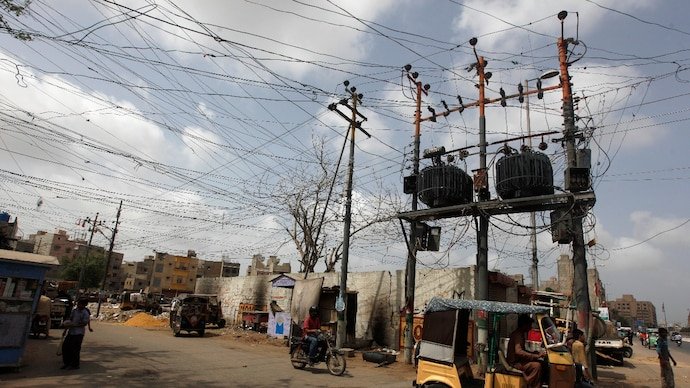
- Widespread Power Cuts and Gas Shortages Across Cities
- Rising LPG Prices Add to Household Burden
- Key Causes Behind the Energy Crisis
- Public Anger and Growing Protests
- Government Response Draws Criticism
- Economic and Industrial Impact
- A Growing Socio-Economic Challenge
- Conclusion: Urgent Need for Structural Reforms
Pakistan is grappling with a deepening Energy Crisis marked by long electricity outages, surging gas prices, and growing public frustration. The situation has worsened significantly in recent weeks, particularly in major cities like Lahore and Karachi. While the ongoing Middle East Conflict has disrupted global energy supply chains, the crisis in Pakistan is also driven by long-standing domestic challenges such as ageing Infrastructure, rising summer demand, and economic constraints.
As outages stretch up to 15 hours a day in some regions, daily life has been severely disrupted. Households, businesses, and industries are all feeling the strain, raising serious concerns about the country’s Energy Security and economic stability.
Widespread Power Cuts and Gas Shortages Across Cities
The crisis is most visible in urban centers, where demand is high and supply remains inconsistent.
Lahore: Load Shedding Intensifies
Residents in Lahore have reported frequent and prolonged power cuts, worsened by ongoing gas shortages. Many households are struggling to manage basic needs, especially during peak summer temperatures.
Karachi: Public Protests Erupt
In Karachi, frustration has spilled onto the streets. Areas such as Shadman Town have witnessed protests against repeated electricity outages, with citizens demanding immediate government action.
Abbottabad: Gas Supply Under Fire
In Abbottabad, demonstrators gathered outside the offices of a state-owned gas supplier, expressing anger over persistent shortages that have disrupted daily routines.
Across multiple regions, reports indicate electricity outages lasting up to 15 hours per day an unsustainable situation for both households and businesses.
Rising LPG Prices Add to Household Burden
Alongside electricity shortages, the sharp increase in liquefied petroleum gas (LPG) prices has further strained household budgets.
| Energy Component | Current Situation |
|---|---|
| Electricity Supply | Outages up to 15 hours daily |
| LPG Price | PKR 430–450 per kg |
| Impact | Unaffordable cooking fuel for many families |
With LPG becoming increasingly expensive, many families are struggling to afford basic cooking fuel, further aggravating living conditions.
Key Causes Behind the Energy Crisis
The current situation is the result of both external and internal factors, creating a perfect storm for Pakistan’s energy sector.
1. Impact of Middle East Conflict
Disruptions in Global Oil and gas supplies due to geopolitical tensions have increased import costs and reduced availability.
2. Ageing Infrastructure
Outdated and poorly maintained power generation and distribution systems have reduced efficiency and increased breakdowns.
3. Seasonal Demand Surge
Summer months bring higher electricity usage due to cooling needs, putting additional pressure on an already strained system.
4. Economic Constraints
Pakistan’s financial challenges limit its ability to import sufficient fuel or invest in infrastructure upgrades.
These factors combined have created a cycle of shortages, rising costs, and public dissatisfaction.
Public Anger and Growing Protests
The human impact of the crisis is becoming increasingly visible. Citizens across the country are expressing frustration through protests and demonstrations.
- Frequent street protests in major cities
- Demands for immediate government intervention
- Growing dissatisfaction with energy policies
For many households, the crisis is not just about inconvenience it directly affects their ability to cook, work, and maintain basic living standards.
Government Response Draws Criticism
Amid mounting pressure, Pakistan’s Interior Minister Mohsin Naqvi made a statement that has sparked controversy. He downplayed the severity of the gas shortage, claiming that Pakistan is not facing a fuel crisis and instead pointing to energy issues in India.
This response has been widely criticized as being disconnected from the ground reality, where citizens continue to face severe shortages and rising costs.
Economic and Industrial Impact
The energy crisis is also taking a toll on Pakistan’s Economy. Small businesses and industries, which rely heavily on consistent power supply, are among the hardest hit.
Key Economic Effects
- Reduced industrial output due to power interruptions
- Loss of income for small Business owners
- Increased operational costs for manufacturers
- Potential slowdown in economic growth
Without reliable energy, productivity declines, and economic recovery becomes increasingly difficult.
A Growing Socio-Economic Challenge
The crisis is no longer limited to technical or infrastructure issues it is evolving into a broader socio-economic problem.
With prolonged outages and unaffordable fuel prices, millions of people are struggling to meet basic needs. The situation highlights deeper structural issues within the country’s energy sector and governance.
Access to reliable and affordable energy is essential for stability, and the current shortages are putting that stability at risk.
Conclusion: Urgent Need for Structural Reforms
Pakistan’s worsening energy crisis underscores the urgent need for comprehensive reforms. While external factors like global conflicts have intensified the problem, the root causes lie in long-standing structural weaknesses.
Addressing the crisis will require investment in infrastructure, diversification of energy sources, and effective policy implementation. Without these measures, the cycle of shortages and public frustration is likely to continue.
As protests grow and economic pressures mount, the coming months will be critical in determining whether Pakistan can stabilize its energy sector or face deeper challenges ahead.
For breaking news and live news updates, like us on Facebook or follow us on Twitter and Instagram. Read more on Latest World on thefoxdaily.com.






COMMENTS 0