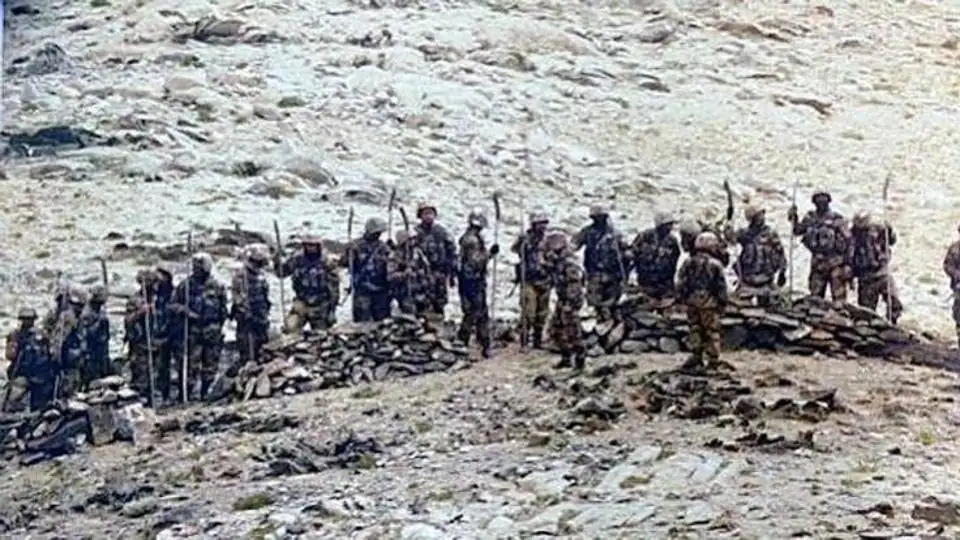
India has said that the situation along the Line of Actual Control (LAC) becomes disturbed when Chinese troops move away from established patrolling patterns, amid reports of continuing face-offs between Indian and Chinese forces at multiple locations in Arunachal Pradesh. New Delhi has reiterated that maintaining peace and tranquillity along the border remains essential for the broader development of bilateral relations.
External Affairs Ministry spokesperson Randhir Jaiswal made the remarks during a regular media briefing on Friday, responding to questions about recent comments by Indo-Tibetan Border Police (ITBP) Director General Shatrujeet Kapur. Kapur had said that face-offs with Chinese forces had occurred at several locations along the Arunachal Pradesh border and that the situation was continuing.
The developments come as India and China attempt to rebuild relations following years of military tensions along the border. Both countries have been using established diplomatic and military channels to address unresolved issues, prevent misunderstandings and improve their understanding of the LAC.
India Links Border Tensions to Changes in Chinese Patrolling Patterns
During Friday’s briefing, Jaiswal said that deviations from established patrolling patterns by Chinese forces were a recurring reason for disturbances along the India-China border.
“As we have noted in the past, the situation in the India-China border areas gets disturbed from time to time when Chinese forces diverge from established patrolling patterns.”
He also underlined the importance of maintaining stability along the border for the overall relationship between the two countries.
“I would also like to emphasise that the maintenance of peace and tranquillity in the border areas is essential for the overall development of bilateral relations.”
Jaiswal did not directly address every detail of Kapur’s remarks about the latest face-offs. However, his comments reiterated India’s position that predictable patrolling arrangements and a peaceful border environment are important for managing the relationship with China.
The spokesperson said both sides were continuing to use existing diplomatic and military mechanisms to resolve outstanding issues and avoid misunderstandings or miscalculations along the LAC.
He also referred to an agreement between the two countries to discuss ways to improve their understanding of the LAC in appropriate areas to support better border management. He did not provide further details about the areas or the proposed discussions.
ITBP Reports Continuing Face-Offs at Multiple Locations in Arunachal Pradesh
The latest developments came after ITBP Director General Shatrujeet Kapur spoke about confrontations between Indian and Chinese forces during an address to troops at an ITBP base in Alwar, Rajasthan, on Thursday.
Kapur said face-offs had taken place at several locations in Arunachal Pradesh over the preceding days and that the situation was still continuing. His remarks highlighted the challenges facing security personnel responsible for monitoring sections of the India-China border.
The ITBP is one of the key Indian formations responsible for guarding parts of the LAC. Its personnel operate in difficult border terrain, including remote mountainous areas where patrol movements and differing perceptions of the boundary can lead to confrontations.
According to Kapur, the force had mobilised a new formation known as the Shaurya commandos during the ongoing face-offs with Chinese forces at multiple locations in Arunachal Pradesh.
He also outlined other capability-building measures undertaken by the ITBP, including the raising of drone platoons for all border units and the preparation of a new training programme referred to as a “strike course”. He said the course was intended to prepare personnel for battles similar to the 2020 confrontation in the Galwan Valley.
The remarks indicate that the ITBP is focusing on operational readiness, surveillance capabilities and specialised training as it continues its border duties. The available statements, however, did not provide a detailed account of the individual incidents behind the latest face-offs or establish whether they had resulted in injuries.
Taksing in Arunachal Pradesh Previously Reported as a Tension Point
The latest reports follow earlier incidents involving Indian Army and Chinese People’s Liberation Army (PLA) personnel in Arunachal Pradesh.
According to earlier reporting by Hindustan Times, tensions emerged between the Indian Army and the PLA in Taksing, a remote area in Arunachal Pradesh’s Upper Subansiri district, during July and August. Several face-offs were reported during that period.
These incidents illustrate the continuing sensitivity of border management in areas where the two countries have differing perceptions of the LAC. Patrols operating in such locations can encounter one another, creating the possibility of confrontations even when the immediate objective is to monitor territory rather than initiate a wider conflict.
The source material does not establish that every recently reported face-off occurred in Taksing. The earlier incidents provide context for the continuing concerns about border stability in Arunachal Pradesh, but the locations and circumstances of the latest confrontations were not fully detailed in the statements cited.
India and China Held Military Commander Talks in the Eastern Sector
India and China held their first round of military commander-level talks in the eastern sector in Arunachal Pradesh on September 6 and 7. The discussions took place shortly before Chinese President Xi Jinping travelled to India to attend the BRICS Summit on September 12 and 13.
The military talks formed part of the broader effort to manage tensions along the border through established channels. Such mechanisms provide the two sides with a way to discuss operational concerns, address disagreements and reduce the risk that local incidents could escalate.
Jaiswal’s latest comments indicate that diplomatic and military engagement remains central to India’s approach. However, the spokesperson did not disclose specific outcomes from the discussions about improving the two countries’ understanding of the LAC.
The timing of the talks and the subsequent diplomatic engagement also highlights the relationship between border stability and broader bilateral cooperation. Even as both countries pursue dialogue, reports of face-offs demonstrate that unresolved issues remain a challenge.
What Narendra Modi and Xi Jinping Said About Border Peace
During their meeting on the sidelines of the BRICS Summit, Prime Minister Narendra Modi and President Xi Jinping welcomed what they described as steady progress in India-China relations.
India, however, emphasised that peace and tranquillity in the border areas would remain the essential basis for developing bilateral ties. Modi also stressed that both sides should observe existing agreements and understandings concerning border-related matters.
Xi, meanwhile, argued that the two countries should follow a “dual-track approach” to their relationship, addressing bilateral relations and border issues as connected but distinct areas of engagement.
The two positions reflect the importance both governments have attached to continuing engagement while managing the unresolved boundary question. India has repeatedly linked progress in the broader relationship to stability along the border, while the Chinese position cited in the report called for a dual-track approach.
The latest reports of face-offs in Arunachal Pradesh have therefore emerged against a backdrop of diplomatic efforts to improve relations. They underline the challenge of sustaining progress at the political level while military personnel continue to encounter tensions at specific locations along the LAC.
How the 2020 Ladakh Standoff Continues to Shape Bilateral Relations
India-China relations deteriorated sharply after a military standoff developed in eastern Ladakh in April and May 2020. The confrontation brought bilateral ties to their lowest point in six decades, according to the supplied report.
The standoff continued for several years before the two countries reached an understanding in October 2024. That understanding marked an important development in efforts to manage the military confrontation, although it did not eliminate the broader boundary dispute or all concerns about border management.
The history of the Ladakh standoff helps explain why India continues to emphasise peace and tranquillity along the LAC. Border incidents can have implications beyond the immediate location, affecting diplomatic engagement, security planning and confidence between the two governments.
The Galwan Valley confrontation in 2020 also remains relevant to India’s military preparedness. Kapur’s reference to a new ITBP strike course designed to prepare personnel for battles like Galwan underscores how the earlier confrontation continues to inform training and operational planning.
At the same time, the latest reports from Arunachal Pradesh should be distinguished from the earlier Ladakh standoff. The supplied information identifies face-offs at multiple locations in Arunachal Pradesh but does not establish that they represent a return to the same scale or circumstances as the 2020 confrontation.
Other Issues Continue to Complicate India-China Relations
Border tensions are only one part of the broader relationship between India and China. The two countries also face economic and commercial disagreements that complicate efforts to rebuild ties.
According to the supplied report, India has been dealing with restrictions on the export of heavy machinery, including tunnel boring machines, as well as limited predictability in access to Chinese markets. A growing trade deficit and visa-related restrictions affecting the business community have also remained concerns.
Restrictions on Heavy Machinery Exports
Restrictions affecting exports of heavy machinery, including tunnel boring machines, have emerged as one of the issues in the wider relationship. Such equipment can be important for major infrastructure projects, making access and export conditions relevant to commercial and development planning.
The supplied information does not specify the full scope of the restrictions, the products affected beyond the examples cited or the precise impact on individual Indian projects.
Market Access and the Trade Deficit
India has also raised concerns about the lack of predictable access to Chinese markets and a widening trade deficit. These issues form part of the economic dimension of the relationship, alongside the security concerns associated with the disputed border.
Predictable market access matters to businesses seeking to plan exports and maintain long-term commercial relationships. A growing trade deficit, meanwhile, can intensify concerns about the balance of economic engagement between the two countries.
Visa Restrictions Affecting Business
Restrictions on visas for members of the business community represent another challenge identified in the report. Visa access can affect travel for commercial meetings, technical cooperation and other business activities.
Together, these issues demonstrate that rebuilding India-China relations involves more than managing military tensions. Progress also depends on how the two countries handle economic concerns, commercial access and practical barriers to engagement.
Why Peace Along the LAC Matters for India-China Relations
The LAC is central to the security relationship between India and China. Both countries maintain forces along the border, and differences in their perceptions of the boundary can create situations in which patrols encounter one another.
When such encounters lead to face-offs, they can increase pressure on local commanders and require diplomatic intervention to prevent escalation. Clear communication, established protocols and functioning military channels can help the two sides address incidents before they develop into wider crises.
For India, maintaining peace and tranquillity along the border is also linked to the possibility of progress in other areas of bilateral engagement. Jaiswal reiterated this position in his latest briefing, while referring to the use of existing mechanisms to resolve outstanding issues and avoid miscalculation.
China’s relationship with India encompasses security, trade and regional diplomacy. Continued border tensions can complicate cooperation across these areas, while sustained dialogue can provide opportunities to address disagreements without allowing them to derail the wider relationship.
Nevertheless, diplomatic statements and commander-level meetings do not by themselves establish that all border concerns have been resolved. The reported face-offs in Arunachal Pradesh show that practical border-management challenges remain even as both governments continue their engagement.
What Happens Next Along the India-China Border?
The immediate focus is likely to remain on managing the reported face-offs, maintaining communication between the two sides and using existing diplomatic and military channels to address outstanding concerns.
India has said that both countries are using established mechanisms to resolve issues and avoid misunderstandings or miscalculations. It has also referred to discussions on improving mutual understanding of the LAC in appropriate areas to support better border management.
However, the latest public statements do not provide a complete picture of the status of each reported face-off, the specific locations involved or the outcomes of any local-level engagements. Further details would be needed to determine whether the incidents have been resolved or whether additional discussions are planned.
The broader diplomatic challenge will be to sustain the progress welcomed by Modi and Xi while addressing the practical disagreements that continue along the border. India’s position remains that peace and tranquillity in border areas are essential to the development of bilateral relations.
Frequently Asked Questions (FAQs)
Why did India say the situation along the LAC was disturbed?
External Affairs Ministry spokesperson Randhir Jaiswal said the situation in India-China border areas becomes disturbed when Chinese forces diverge from established patrolling patterns. He also emphasised that peace and tranquillity along the border are essential for the overall development of bilateral relations.
Where were the latest face-offs between Indian and Chinese forces reported?
ITBP Director General Shatrujeet Kapur said face-offs had occurred at several locations in Arunachal Pradesh and were continuing at the time of his remarks. Earlier reporting also described tensions in Taksing, in the state’s Upper Subansiri district, during July and August.
What is the role of the ITBP along the LAC?
The Indo-Tibetan Border Police is one of India’s key formations responsible for guarding sections of the LAC. According to Kapur, the force has mobilised Shaurya commandos during the ongoing face-offs, raised drone platoons for border units and prepared a new strike course for specialised training.
What did India and China agree to discuss about the LAC?
According to Jaiswal, the two countries agreed to discuss ways to improve their understanding of the LAC in appropriate areas to support better border management. He did not provide further details about the proposed discussions.
When did India and China reach an understanding over the Ladakh standoff?
The two countries reached an understanding in October 2024 following a military standoff in eastern Ladakh that began in April and May 2020. The broader boundary dispute and border-management concerns have continued to affect bilateral relations.
What other issues affect India-China relations?
In addition to border tensions, the issues identified in the supplied report include restrictions on exports of heavy machinery such as tunnel boring machines, unpredictable access to Chinese markets, a growing trade deficit and visa restrictions affecting the business community.
Conclusion
India’s latest comments on the LAC come amid reports of continuing face-offs between Indian and Chinese forces at multiple locations in Arunachal Pradesh. New Delhi has attributed recurring disturbances to Chinese forces moving away from established patrolling patterns and reiterated that border peace is essential for stronger bilateral relations.
Military commander-level discussions, diplomatic engagement and proposals to improve mutual understanding of the LAC remain important parts of the effort to manage tensions. However, the latest reports indicate that border-related concerns have not disappeared despite the progress acknowledged by both governments in rebuilding ties.
As India and China work to address unresolved issues, the ability to prevent local confrontations from escalating will remain central to border management and the future direction of their wider relationship.
For breaking news and live news updates, like us on Facebook or follow us on Twitter and Instagram. Read more on Latest India on thefoxdaily.com.






COMMENTS 0