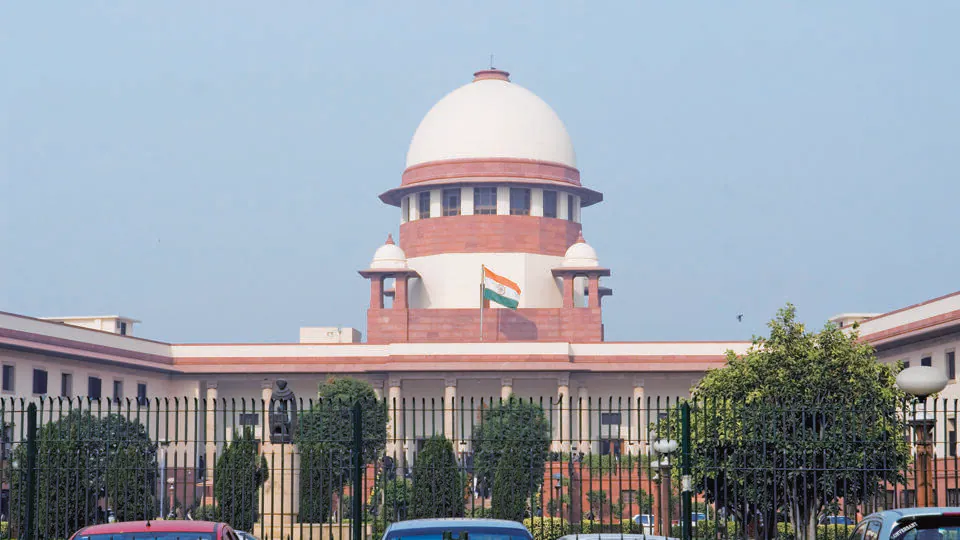
The Supreme Court of India has stressed the need to balance citizens’ right to privacy with the media’s freedom to investigate and report, as it issued notice on a petition challenging provisions of the Digital Personal Data Protection (DPDP) Act, 2023, and the accompanying rules framed in 2025.
A bench comprising Chief Justice of India Surya Kant and Justices Joymalya Bagchi and V. Mohana issued notice on the petition filed by the Digital News Publishers Association (DNPA), including its request for an interim stay on the operation of the challenged provisions. The matter is scheduled for hearing on November 17.
During the hearing, the bench emphasised that protecting personal information and preserving the media’s constitutional freedoms are both important. The proceedings centre on whether the data protection framework provides adequate safeguards for journalism, particularly reporting on matters involving public officials, alleged corruption and other issues of public interest.
The DNPA argues that the law could impose significant restrictions on investigative journalism because it does not provide a specific exemption for journalistic activity. The government’s framework, meanwhile, is intended to regulate the processing of digital personal data and protect individuals against misuse of their information.
Supreme Court Says Privacy and Press Freedom Must Be Balanced
The bench underscored the need to protect ordinary citizens’ privacy while considering the media’s concerns about reporting restrictions.
Addressing senior advocate Madhavi Divan, who appeared for the DNPA, the court said the association could help explain how the Union government and the judiciary could prevent misuse while safeguarding individual rights.
“You are the best person to suggest to the Union and us how you will ensure there is no misuse,” the bench told Divan.
Chief Justice Surya Kant emphasised that the rights of individuals and those of the media would have to be reconciled. “There will be rights of innocent citizens, and then there is your right. A balance has to be struck,” he said.
When Divan questioned how journalists could report under the proposed framework, the bench suggested that publishers should also explain how they would ensure their reporting did not infringe the rights of individuals.
The exchange highlights the central legal issue before the court: how to prevent the misuse of personal information without creating restrictions that could obstruct legitimate public-interest reporting.
DNPA Warns DPDP Law Could Restrict Investigative Journalism
Divan described the petition as the first comprehensive challenge by what she called “legacy media”, representing conventional news publishers. She argued that the law could fundamentally change how journalism is practised by requiring news organisations to obtain consent before collecting or processing personal information for reporting.
“News has to be new…what is the point if I have to ask for permission and consent?” she asked the bench.
Divan warned that the framework could create a form of pre-censorship by making journalists seek permission before pursuing stories involving public officials and government offices.
“Newsrooms will shut down…regime of pre-censorship…what’s news otherwise?” she said.
She also pointed to existing regulatory mechanisms, including the Press Council of India, arguing that publishers should face consequences if their reporting is inaccurate rather than being required to obtain prior permission before publication.
The DNPA’s argument is that journalism often involves gathering information before the people or institutions being investigated have agreed to its publication. Requiring consent in such circumstances, the association contends, could make it difficult to investigate matters that are important to public accountability.
The legal challenge does not dispute the general importance of protecting personal data. Instead, it questions whether the law adequately distinguishes legitimate public-interest journalism from other activities involving the processing of personal information.
Why Section 44(3) of the DPDP Act Is Being Challenged
One of the central provisions under challenge is Section 44(3) of the DPDP Act, which amended Section 8(1)(j) of the Right to Information (RTI) Act, 2005.
The DNPA contends that the amendment removes an earlier public-interest disclosure safeguard relating to personal information. According to the association, the change could restrict access to records that journalists use to investigate government decisions, public officials and matters involving public accountability.
The dispute concerns the relationship between personal privacy and the public’s ability to obtain information about the functioning of public institutions.
Personal information can be relevant to legitimate investigations, including reporting on alleged corruption, corporate wrongdoing or misconduct by public officials. The DNPA argues that a data protection framework that does not sufficiently distinguish such reporting from other forms of data processing could make it harder for journalists to gather and verify information.
The association also argues that the law could expose news organisations to demands involving consent, withdrawal of consent and erasure of personal information, even where the information is relevant to a public-interest investigation.
These concerns form part of the broader constitutional challenge. The court will have to consider how the statutory protections for personal data interact with the rights associated with freedom of speech, expression and access to information.
Section 36 and Rule 23: Concerns About Government Access to Information
The DNPA has also challenged Section 36 of the DPDP Act, read with Rule 23 and the Seventh Schedule of the DPDP Rules, 2025.
These provisions concern the Union government’s power to requisition information from data fiduciaries and intermediaries. The association argues that the framework does not provide adequate safeguards, including judicial oversight and clear requirements of necessity and proportionality.
According to the petition, these powers could create risks for confidential journalistic sources by making information held by organisations and intermediaries accessible to the government in circumstances that the association considers insufficiently safeguarded.
Source confidentiality can be important in investigations involving alleged wrongdoing, particularly when people provide information about powerful individuals or institutions. The DNPA argues that uncertainty over government access to personal data could discourage potential sources from speaking to journalists.
The challenge therefore raises questions about how information-gathering powers should be regulated when they intersect with investigative reporting and the protection of confidential sources.
The court has issued notice on the petition and the request for interim relief. The challenged provisions and the association’s arguments will be considered as the case proceeds.
DNPA Says Constitutional Rights Are at Stake
The DNPA maintains that the challenged provisions threaten freedom of speech and expression under Article 19(1)(a) of the Constitution and the right to equality under Article 14. It also argues that the framework could undermine the public’s right to information.
The association’s position is that recognising privacy as a fundamental right does not justify a data protection regime that leaves journalism without adequate safeguards. It contends that the law should distinguish between the misuse of personal information and the processing of information necessary for legitimate public-interest reporting.
The Supreme Court’s earlier recognition of privacy as a fundamental right is an important part of the legal background to the dispute. The current challenge raises the question of how that right should operate alongside constitutional protections for expression and the media’s role in informing the public.
The outcome could have implications for how news organisations handle personal information during investigations, although the precise effect will depend on the court’s eventual findings and any directions it issues.
Which News Organisations Are Represented by the DNPA?
The Digital News Publishers Association represents 21 news publishers, including organisations associated with prominent newspaper and television networks.
Publishers named in the petition’s coverage include The Hindu, The Times of India, The Indian Express, Mathrubhumi, Malayala Manorama and India Today.
The association’s challenge is significant for established news organisations because it addresses the application of data protection requirements to reporting practices, rather than focusing solely on the general handling of digital personal data.
Its arguments centre on whether journalists will be able to continue investigating issues of public interest without facing consent requirements or information-access provisions that could interfere with their work.
What the DPDP Act Is Intended to Do
The Digital Personal Data Protection Act, 2023, establishes a framework for regulating the processing of digital personal data and protecting individuals against the misuse of their information. The rules framed in 2025 set out additional requirements for implementing the law.
The framework addresses the growing role of digital information in everyday life, including the collection and use of personal data by organisations and online services. Its purpose includes establishing obligations for entities that process such information and providing protections for individuals.
However, the application of data protection requirements to journalism raises questions that do not arise in the same way in every commercial or administrative context. Reporting may require journalists to collect, verify and publish information about individuals without obtaining their consent in advance, particularly when investigating matters involving public power or alleged wrongdoing.
The DNPA argues that the absence of a specific journalistic exemption fails to account adequately for these differences. The government’s data protection objective and the association’s concerns about investigative reporting now form part of the legal questions before the Supreme Court.
What Happens Next in the Supreme Court Case?
The Supreme Court has issued notice on the DNPA’s challenge and its request for an interim stay on the operation of the disputed provisions. The matter is scheduled to be heard on November 17.
The court will have to consider the association’s concerns about consent requirements, access to personal information, government powers to requisition data and the absence of a specific exemption for journalistic activity.
The broader question is how the law can protect individuals from misuse of their personal information while allowing journalists to investigate matters that affect the public. The court’s observations indicate that it intends to examine the competing rights rather than treating privacy and Press Freedom as mutually exclusive.
For now, the issuance of notice does not amount to a final ruling on the constitutionality of the challenged provisions. The court’s eventual decision will determine how the legal framework is interpreted and whether additional safeguards or changes are required to address the concerns raised by the news publishers.
Conclusion
The Supreme Court’s hearing has brought the tension between digital privacy protections and investigative journalism into focus. The DNPA argues that the DPDP Act and its rules could make it harder for journalists to investigate public-interest issues, protect confidential sources and access records relevant to accountability.
The Commission’s broader legal challenge concerns how personal information may be processed, disclosed and accessed under the data protection framework. The court has emphasised that citizens’ privacy rights must be protected alongside the media’s constitutional freedoms.
As the case moves towards its next hearing, the central issue will be whether the law provides a workable balance between preventing misuse of personal data and preserving the ability of the press to report on matters of public importance.
For breaking news and live news updates, like us on Facebook or follow us on Twitter and Instagram. Read more on Latest India on thefoxdaily.com.





COMMENTS 0