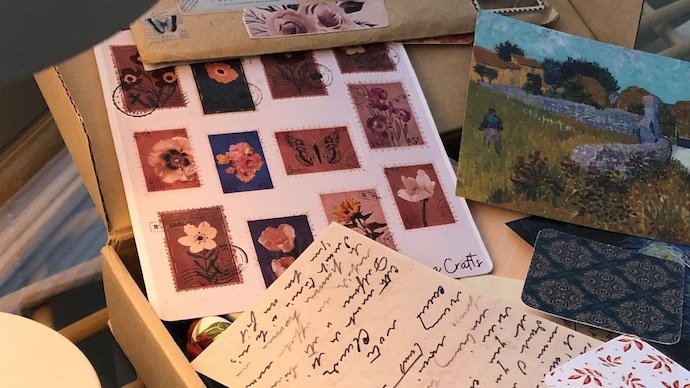
It may sound like a contradiction, but one of the most digitally connected generations is turning to one of the oldest forms of communication. The Gen Z snail mail trend is gaining momentum, with young people willingly paying for handwritten, beautifully decorated letters in an era dominated by instant messaging platforms like WhatsApp and Gmail.
Who is driving this trend? Gen Z—digital natives born into a world of smartphones. What are they doing? Reviving handwritten communication through snail mail. When did this start? The shift has accelerated over the past few years, especially post-pandemic. Where is it happening? Globally, with strong traction in urban and creative communities. Why does it matter? Because it signals a deeper cultural shift toward authenticity and emotional connection. How is it evolving? Through curated letter services, pen-pal communities, and aesthetic-driven personal expression.
This unexpected comeback isn’t about nostalgia alone—it’s about reclaiming something that digital communication quietly erased: the feeling of being truly seen and remembered.
What Is the Gen Z Snail Mail Trend?
The snail mail trend refers to the growing popularity of sending and receiving physical letters, often handwritten and artistically designed. But this isn’t your typical old-school letter—it’s an experience.
Key Features of Modern Snail Mail
- Handwritten notes: Personal, imperfect, and deeply human
- Aesthetic packaging: Stickers, washi tape, pressed flowers
- Custom themes: Letters curated around moods, seasons, or stories
- Paid services: Subscription-based or one-time personalised letters
In essence, Gen Z has transformed snail mail into a hybrid of communication, art, and emotional storytelling.
Context: Why Is Gen Z Rejecting Instant Communication?
At first glance, it seems counterintuitive. Why would a generation raised on speed choose slowness?
1. Digital Fatigue Is Real
Constant notifications, endless scrolling, and short attention spans have created a sense of exhaustion. Instant messaging, while convenient, often feels transactional rather than meaningful.
2. The Search for Authenticity
Typed messages can be edited, deleted, and perfected. Handwritten letters, on the other hand, carry imperfections—making them feel more genuine.
3. Desire for Tangible Experiences
In a world where everything exists on screens, physical objects carry more emotional weight. A letter can be held, stored, and revisited in a way a message cannot.
4. Slowing Down as a Lifestyle Choice
The act of writing and waiting introduces intentionality—something largely missing from digital interactions.
Timeline: The Evolution of Communication Leading to This Trend
| Era | Primary Communication Method | Emotional Depth |
|---|---|---|
| Pre-2000s | Letters and landlines | High |
| 2000–2010 | Emails and SMS | Moderate |
| 2010–2020 | Social media and instant messaging | Low to moderate |
| 2020 onwards | Hybrid (digital + revival of physical letters) | Rising again |
The Gen Z snail mail revival is not a regression—it’s a correction.
Deep Analysis: Why Snail Mail Feels More Meaningful
1. Effort Equals Value
Writing a letter takes time—choosing paper, composing thoughts, mailing it. This effort signals care, making the recipient feel valued.
2. Anticipation Enhances Emotion
Unlike instant messages, letters introduce a waiting period. This anticipation amplifies the emotional payoff when the letter finally arrives.
3. Multi-Sensory Experience
Snail mail engages more than just sight—it includes touch, sometimes scent, and even sound. This creates a richer memory.
4. Permanence in a Temporary World
Messages can be deleted or lost in chat histories. Letters endure. They become keepsakes.
Comparison: Snail Mail vs Digital Communication
| Aspect | Snail Mail | Digital Messaging |
|---|---|---|
| Speed | Slow | Instant |
| Emotional Depth | High | Variable |
| Effort | High | Low |
| Tangibility | Physical | Virtual |
| Memorability | Long-lasting | Often fleeting |
This contrast explains why many Gen Z users are consciously choosing slower communication.
The Rise of Paid Letter Services
One of the most fascinating aspects of this trend is that people are willing to pay for letters.
How These Services Work
- Users sign up for personalised letters
- Writers craft messages based on themes or emotions
- Letters are decorated and mailed physically
These services blur the line between communication and curated experience—similar to how subscription boxes transformed retail.
Real-World Impact: Beyond Just a Trend
Creative Economy Boost
Artists, calligraphers, and small businesses are benefiting from the demand for customised letters and stationery.
Mental Health Benefits
Writing letters encourages reflection, gratitude, and emotional expression—practices linked to improved mental well-being.
Revival of Postal Culture
Postal systems, often seen as outdated, are finding renewed relevance among younger users.
Unique Insight: Snail Mail as “Emotional Luxury”
Here’s a perspective competitors often miss: snail mail is becoming a form of emotional luxury.
In a world where communication is cheap and abundant, something rare becomes valuable. A handwritten letter is:
- Scarce
- Time-intensive
- Deeply personal
This makes it feel premium—not in cost, but in meaning.
Prediction: Will Snail Mail Become Mainstream Again?
It’s unlikely that snail mail will replace digital communication—but it doesn’t need to.
Future Outlook
- Hybrid communication: Digital for speed, physical for depth
- Growth of niche communities: Pen-pal networks and letter clubs
- Integration with technology: QR codes, augmented reality elements in letters
- Increased personalisation: AI-assisted but human-executed writing
The trend will likely remain niche—but highly influential.
Conclusion: A Quiet Revolution in Communication
The Gen Z snail mail trend is more than a quirky comeback—it’s a reflection of deeper emotional needs in a hyper-digital world.
By choosing handwritten letters over instant messages, Gen Z is redefining what meaningful communication looks like. They are proving that speed isn’t everything—and that sometimes, the slowest messages carry the most weight.
As this movement grows, one thing is clear: the future of communication isn’t just faster—it’s more intentional, more personal, and surprisingly, more analog.
For breaking news and live news updates, like us on Facebook or follow us on Twitter and Instagram. Read more on Latest Lifestyle on thefoxdaily.com.






COMMENTS 0