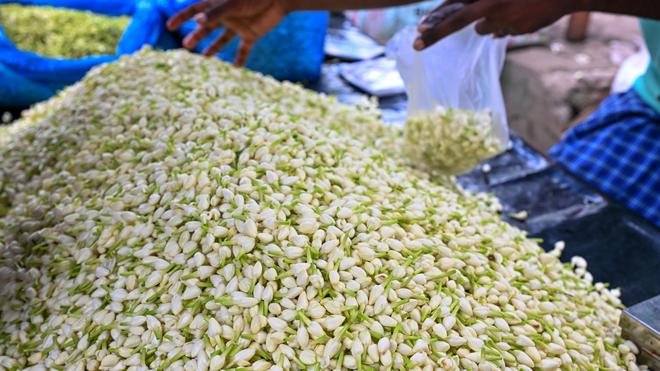
From fragrant jasmine and mullai to vibrant sevandhi and marigolds, flowers are an essential part of Madurai’s religious festivals and seasonal celebrations. As around five tonnes of flowers go into the decorations for the Meenakshi Amman Temple’s Kumbabishekam, the city’s floral traditions offer a glimpse into the relationship between devotion, local markets and the changing rhythm of festivals.
In Madurai, flowers are more than decorative elements. They are woven into temple rituals, household worship, wedding customs and public celebrations. Their fragrance and colour help shape the atmosphere of a festival, while the varieties used often reflect the season, religious occasion and local availability.
The Meenakshi Amman Temple’s Kumbabishekam brings this floral culture into focus. With approximately five tonnes of flowers being used for the temple’s decorations, the preparations highlight the scale of floral demand that accompanies one of the city’s significant religious occasions.
Flowers at the Heart of Madurai’s Festival Traditions
Madurai’s festival calendar is closely connected to its flower markets. From everyday worship to major temple events, flowers are used in garlands, offerings and decorative arrangements. Their role extends beyond aesthetics: fragrance, freshness and colour are central to the way devotees experience sacred spaces.
Different festivals bring different flowers into demand. Some varieties are prized for their fragrance, while others are chosen for their colour, durability or suitability for elaborate decorations. Seasonal availability also influences what reaches the markets and what devotees and florists select.
This changing demand gives Madurai’s flower trade a distinct seasonal rhythm. During major temple celebrations, the need for flowers can rise substantially, bringing floral varieties and their traditional uses into sharper focus.
Five Tonnes of Flowers for Meenakshi Temple’s Kumbabishekam
The use of around five tonnes of flowers in the decorations for the Meenakshi Amman Temple’s Kumbabishekam reflects the scale of preparation associated with the event. Floral arrangements contribute to the temple’s festive appearance, adding colour and fragrance to the ceremonial setting.
Kumbabishekam is a consecration ceremony associated with the ritual renewal of a temple and its sacred installations. The preparations can involve extensive religious and decorative arrangements, with flowers forming an important part of the visual setting.
For Madurai, the temple’s floral requirements also draw attention to the people and markets that support the city’s festival culture. Flower growers, traders, garland-makers and decorators all contribute to the journey from freshly harvested blooms to the finished arrangements seen during celebrations.
Jasmine and Mullai: Madurai’s Fragrant Floral Favourites
Jasmine holds a special place in Madurai’s floral identity. Known for its delicate white petals and distinctive fragrance, it is widely associated with worship, garlands and personal adornment. Its popularity makes it a familiar presence in the city’s flower markets and religious traditions.
Mullai, another fragrant flower associated with jasmine varieties, is also part of the region’s floral vocabulary. Its use reflects the enduring appeal of flowers that offer both visual simplicity and a rich natural fragrance.
Jasmine and mullai are valued not only for their appearance but also for the sensory experience they bring to religious and cultural occasions. Their fragrance can become an integral part of the atmosphere surrounding temple visits, festivals and family celebrations.
Sevandhi and Marigold Bring Colour to Celebrations
While jasmine and mullai are prized for their fragrance, sevandhi and marigolds are known for their vivid colours. These flowers can add strong visual contrast to garlands and decorative displays, making them suitable for festive settings.
Sevandhi, commonly referring to chrysanthemum varieties in local flower markets, is available in different colours and is used in garlands and floral arrangements. Its full blooms provide volume and texture, helping decorators create striking displays.
Marigolds, with their bright yellow and orange hues, are another familiar feature of religious and celebratory decorations. Their bold colour makes them visually prominent in garlands and ornamental arrangements.
Together, sevandhi and marigolds complement fragrant flowers such as jasmine, creating a combination of colour, texture and scent that characterises many South Indian celebrations.
Champak: A Flower Valued for Its Fragrance
Champak, also known as champa, is valued for its rich fragrance and distinctive appearance. It is associated with religious offerings and traditional floral use, making it a notable part of the wider range of flowers sought during festivals.
Its fragrance distinguishes it from flowers primarily chosen for their colour or volume. In temple settings, champak can contribute to the sensory richness of worship, complementing other blooms used in offerings and decorations.
As festival requirements change, flowers such as champak may feature alongside jasmine, mullai, sevandhi and marigolds, reflecting the diversity of Madurai’s floral traditions.
How Seasons and Festivals Shape Flower Demand
Flower demand in Madurai is influenced by both the religious calendar and seasonal availability. Major temple festivals can increase demand for particular varieties, while weddings and household celebrations add to the regular need for fresh flowers.
Seasonality affects which flowers are readily available, their freshness and their market supply. As a result, the mix of flowers sold and used in decorations can shift throughout the year. Traders and decorators must work with these changing conditions when preparing for large events.
Festival demand also demonstrates how flowers connect different parts of the local economy. Growers supply the blooms, traders bring them to market, and florists and decorators turn them into garlands and displays for temples and celebrations.
Madurai’s Flower Markets: Connecting Farms, Florists and Temples
The city’s flower markets are an important link between cultivation and religious life. Fresh flowers move through a network of growers, wholesalers, retailers and garland-makers before reaching temples, homes and event venues.
During major celebrations, the requirements of temples and decorators can place added pressure on supply chains. Large-scale floral arrangements require not only substantial quantities but also careful handling to preserve freshness and appearance.
The Kumbabishekam’s reported requirement of around five tonnes of flowers offers a striking example of how a religious event can bring the flower trade into focus. It also underscores the work involved in sourcing, transporting and arranging blooms for a major ceremonial occasion.
More Than Decoration: The Cultural Meaning of Flowers
Flowers occupy a meaningful place in Madurai’s cultural life because they connect everyday practices with collective celebrations. A string of jasmine, a garland of sevandhi or a marigold decoration can be part of worship, a family milestone or a public festival.
The varieties may change with the season and occasion, but flowers remain a familiar expression of devotion and celebration. Their use in the Meenakshi Amman Temple’s Kumbabishekam brings this tradition into view on a particularly large scale.
Conclusion
Madurai’s festival flowers tell a story of fragrance, colour, devotion and seasonal change. Jasmine and mullai bring their distinctive scent, sevandhi and marigolds add vibrant colour, and champak contributes its rich fragrance to the city’s floral traditions.
With around five tonnes of flowers reportedly being used for the Meenakshi Amman Temple’s Kumbabishekam decorations, the event highlights the important role flowers play in Madurai’s religious celebrations—and the growers, traders and decorators who help bring those celebrations to life.
SEO Details
Primary Keyword: Madurai festival flowers
Secondary Keywords: Meenakshi Temple Kumbabishekam, Madurai jasmine, mullai flowers, sevandhi flowers, marigold flowers, champak flowers, Madurai flower markets, temple floral decorations, Tamil Nadu festivals
Meta Title: Madurai Festival Flowers: Jasmine, Marigold for Meenakshi Temple Kumbabishekam
Meta Description: Explore Madurai’s festival flowers, from jasmine and mullai to sevandhi, marigold and champak, as five tonnes of blooms decorate Meenakshi Temple’s Kumbabishekam.
For breaking news and live news updates, like us on Facebook or follow us on Twitter and Instagram. Read more on Latest Lifestyle on thefoxdaily.com.

COMMENTS 0