Child doping is often treated as a sporting offence, but the reality is far more disturbing. Behind the use of banned performance-enhancing drugs by young athletes are stories of exploitation, abuse, financial incentives and serious health consequences. Children who should be protected by coaches and sporting institutions are instead being exposed to substances that can permanently affect their bodies and lives.
A powerful new documentary, Doping Top Secret: Children, brings this hidden problem into focus. Produced by the German investigative team that helped expose the Russian doping scandal more than a decade ago, the programme examines the use of banned substances among minors across 25 sports and 50 countries. Its findings suggest that child doping is not an isolated problem or a legacy of past sporting scandals. It remains a serious international concern.
The documentary also highlights a troubling gap in the fight against doping: while young athletes can face bans after testing positive, the adults who supply the drugs, encourage their use or profit from their sporting ambitions are rarely held accountable.
The East German doping system and the abuse of young athletes
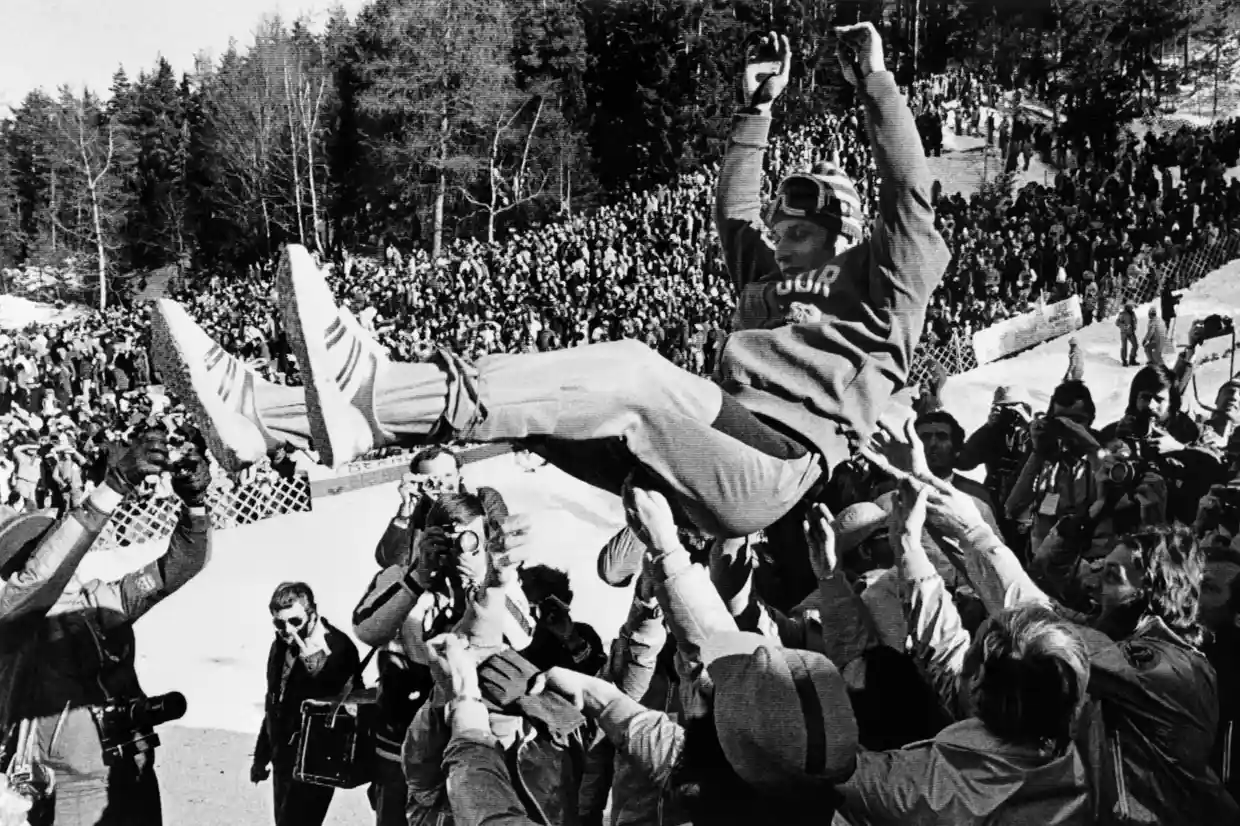
One of the most disturbing accounts in the documentary comes from Hans-Georg Aschenbach, the former East German ski jumper who won Olympic gold at Innsbruck in 1976. Around half a century after his triumph, he speaks openly about being given anabolic steroids when he was young and the effects those substances had on his body and behaviour.
Aschenbach describes a system in which young athletes were treated as instruments of sporting success rather than individuals whose health and safety deserved protection. He believes the drugs accelerated his sexual development and significantly affected his behaviour. His account includes deeply personal details about the physical and psychological effects he experienced while competing.
He also describes how female athletes and young girls were given male hormones, which could produce extreme changes in their libido. According to his testimony, some people took advantage of the vulnerability created by these changes. The documentary makes clear that coaches were among those implicated in relationships with minors, despite legal restrictions against such conduct.
His testimony illustrates why the history of state-sponsored doping cannot be understood only through medals, records and sporting results. It also involves the treatment of children, the misuse of medical substances and the abuse of authority by adults responsible for their development.
Although the East German system belongs to a different period, the documentary argues that similar patterns of exploitation continue in modern sport. The settings and financial incentives may have changed, but young athletes can still become targets when adults place performance and potential earnings above their welfare.
Children as young as eight targeted in the Dominican Republic
The investigation’s findings in the Dominican Republic reveal how the pressure to enter professional sport can expose children to dangerous substances at an extremely young age.
Investigators found coaches and support staff willing to provide anabolic steroids and human growth hormone to children as young as eight. The stated objective was to improve their chances of gaining entry into regional Major League Baseball academies on the island.
The arrangement also involved a financial incentive. Coaches supplying the substances expected to receive a substantial share of a player’s future professional earnings if the child eventually made it as a professional. In effect, a young athlete’s long-term sporting potential became an opportunity for adults to secure a financial return.
An undercover reporter questioned one coach about what a child should be told if they asked whether the drugs were dangerous. The response was alarming: the coach suggested describing the substances as vitamins to prevent the child from asking further questions.
This approach reflects a wider problem identified by the documentary: children may not understand what they are being given, why they are taking it or what risks it could create. When an adult in a position of authority presents banned drugs as harmless supplements, a young athlete may have little ability to challenge the decision.
The investigation also describes severe consequences for some young baseball players. One promising player developed kidney failure and required a transplant, while another had a leg amputated. These cases underline the potential human cost of exposing developing bodies to performance-enhancing substances.
Child doping concerns extend from India to the United States
The documentary suggests that child doping is not confined to countries with a history of state-sponsored sporting programmes or developing professional sports systems. Its investigators report concerning practices in several countries, including India and the United States.
India: Coaches and doping equipment under investigation
In India, investigators found coaches willing to dope children. They also encountered athletics stadiums littered with opened packets of doping-related paraphernalia. The findings raise questions about the availability of banned substances and the level of supervision in environments where young athletes train.
The issue carries particular significance as India bids to host the 2036 Olympic Games. Hosting a major international sporting event involves more than developing facilities, improving infrastructure and preparing athletes for competition. It also requires strong systems to protect participants, especially children, from abuse and unsafe practices.
Efforts to improve India’s international sporting standing will need to include athlete welfare, responsible coaching and effective oversight. Young competitors should be able to pursue sporting ambitions without being pressured into taking substances that may endanger their health.
United States: Human growth hormone and young tennis players
In the United States, the programme speaks to doctors willing to provide human growth hormone, commonly known as HGH, to 12-year-old tennis players who are slightly smaller than average.
The example raises concerns about the use of medical interventions to influence physical development for sporting purposes. Children grow at different rates, and being shorter than other players does not automatically indicate a medical problem. When growth-related substances are offered to young athletes for competitive advantage, questions arise about medical responsibility, informed consent and the pressure placed on children to meet sporting expectations.
The documentary also raises concerns about China, referring to its state-controlled sporting system and history of doping. These concerns form part of the wider investigation into how performance-enhancing substances can become embedded in systems where sporting success carries significant institutional importance.
Is the United Kingdom immune to child doping?
The investigation also raises questions about whether the problem exists within the United Kingdom. Although the documentary does not establish that child doping is widespread in British sport, it points to a case involving a 16-year-old Premier League academy footballer.
According to Nick Butler, one of the documentary’s reporters, the unnamed player received a nine-month ban during the Covid period for possessing human growth hormone. The player’s identity and club were not disclosed because of his age.
The case demonstrates why youth academies and professional sporting organisations cannot assume that their development systems are automatically protected from doping-related risks. Young athletes operate in environments where physical performance, selection and career progression can carry enormous pressure.
It also raises an important question about responsibility. If a minor is found with a banned substance, investigators need to establish how the child obtained it, whether an adult encouraged its use and whether anyone else was involved in supplying or administering it.
How many children are using performance-enhancing drugs?
Determining the true scale of child doping is difficult because many young athletes who use banned substances are never tested. Official anti-doping figures therefore provide only part of the picture.
In January 2024, the World Anti-Doping Agency revealed that 1,416 minor athletes had tested positive between 2012 and 2023. While the figure documents confirmed positive cases, it does not necessarily represent the full number of children using prohibited substances.
The documentary’s investigators examined multiple prevalence surveys, which ask young athletes confidential questions about doping. Using these surveys, they estimated that approximately 10 million minors worldwide use banned performance-enhancing drugs.
The difference between the number of recorded positive tests and the estimated number of users highlights a major challenge for anti-doping authorities. Testing can identify some cases, but it cannot capture every athlete who uses substances, particularly when testing is limited or athletes are deliberately kept away from detection.
The estimated figure may also be an underestimate. According to the documentary, many of the surveys used in the assessment were conducted before the sharp growth of social media and the increasing popularity of newer substances, including peptides. These developments could change how young athletes encounter information about performance enhancement and how easily they access substances.
However, the estimate should be understood as a survey-based assessment rather than a confirmed count of individual children. The available figures demonstrate the potential scale of the problem, but they do not establish exactly how many minors are currently doping in each country or sport.
Why coaches and suppliers must be held accountable
One of the central arguments of the documentary is that anti-doping enforcement should not focus only on the young athlete who tests positive. Children are often in a dependent relationship with coaches, trainers, medical professionals and other adults who influence their sporting careers.
A coach may control training opportunities, selection decisions and access to competitions. A young athlete who is told that a banned substance is safe or necessary for success may struggle to question that advice. In some cases, the child may not even know what they are taking.
This imbalance makes it essential to investigate the adults surrounding a minor whenever a doping violation is discovered. The authorities need to identify suppliers, examine how substances were obtained and determine whether coaches or other members of an athlete’s support network encouraged or organised their use.
The case of Russian figure skater Kamila Valieva illustrates the accountability problem. Valieva was 15 when she tested positive for the banned heart medication trimetazidine. She was subsequently suspended for four years in 2021, but the documentary points out that no one in her entourage faced a punishment despite the obvious questions about how a minor obtained the substance.
A similar concern appears in the case of five female Egyptian national team weightlifters. The youngest was 14, and all five were banned after testing positive for the same anabolic steroid. Yet, according to the documentary, no other individuals were sanctioned.
These examples raise questions about whether existing enforcement systems do enough to investigate the networks behind doping violations. Punishing a young athlete without examining the role of adults can leave the underlying problem untouched.
The long-term effects of steroids create another incentive to dope young
The documentary also highlights a scientific concern that could create additional incentives for doping among young athletes. Research into muscle adaptation suggests that performance benefits associated with anabolic steroid use may persist after an athlete stops taking the substances.
This is sometimes described as a muscle-memory effect. The programme explains that physical advantages gained through steroid use may remain for decades, even after the drugs are discontinued.
If young athletes believe they can gain an advantage early in their development and stop using banned substances before entering a professional environment with more frequent testing, the system could create a dangerous incentive to dope before reaching elite competition.
This concern is particularly relevant to power-based sports such as rugby and the National Football League, where strength and physical development can influence performance. It suggests that anti-doping strategies need to consider the years before athletes enter the highest levels of competition, rather than concentrating only on established professionals.
There are important limits to what can be concluded from the muscle-memory argument. It does not mean that every young athlete who uses steroids will retain a particular advantage for decades. However, the possibility of lasting physical effects reinforces the need for early prevention, appropriate testing and education about the risks of performance-enhancing drugs.
What needs to change in the fight against child doping?
Anti-doping agencies already operate with limited resources and must protect the integrity of elite sport. But the findings presented in the documentary suggest that the protection of minors needs greater attention within the wider anti-doping system.
One priority should be recognising the unequal relationship between young athletes and the adults who supervise them. Coaches and support staff can influence a child’s decisions, and safeguards must account for the possibility that this authority may be abused.
When a minor tests positive or is found possessing banned substances, investigations should look beyond the individual athlete. Authorities need to examine suppliers, coaches, medical professionals and other members of the support network who may have played a role.
Better-targeted education is another important step. Young athletes should receive clear, age-appropriate information about banned substances, their potential health effects and the risks of accepting pills, injections or supplements from unverified sources. Parents and guardians should also understand the warning signs of doping pressure and know how to report concerns.
Sporting organisations need effective safeguards in training centres, academies and youth development programmes. These should include clear rules for medical treatment, appropriate supervision and procedures for reporting suspected abuse or the distribution of prohibited substances.
Anti-doping authorities may also need to direct more resources towards investigating the people who supply and encourage doping. Testing young athletes is important, but it will not solve the problem if the adults responsible for providing banned drugs can continue operating without consequences.
Protecting young athletes must come before sporting success
The findings of Doping Top Secret: Children challenge the idea that doping is simply a matter of athletes breaking sporting rules. When children are given anabolic steroids, human growth hormone or other banned substances by adults, the issue becomes one of safeguarding, exploitation and public health.
From the East German athletes who describe decades-old abuse to young baseball players in the Dominican Republic and the cases highlighted in India, the documentary presents a troubling picture of how sporting ambition can be exploited. The estimated 10 million minors using banned performance-enhancing drugs also suggests that official testing figures may reveal only a fraction of the wider problem.
Sporting success should never depend on exposing children to substances they do not understand or putting their long-term health at risk. Young athletes deserve safe training environments, honest medical advice and adults who protect their interests rather than profit from their ambitions.
The fight against child doping will require more than suspensions and positive-test reports. It will depend on identifying the adults behind the abuse, strengthening safeguards and ensuring that the responsibility for protecting young athletes is shared across the entire sporting system.
For breaking news and live news updates, like us on Facebook or follow us on Twitter and Instagram. Read more on Latest Sports on thefoxdaily.com.






COMMENTS 0