Six minor girls have been rescued from an alleged prostitution racket in Rajasthan’s Jhalawar district following a police operation that exposed the suspected involvement of family members and local brokers. Five people have been arrested in connection with the case, including three women who were allegedly involved in facilitating the exploitation.
The operation was conducted on November 3 after police received a complaint alleging that families belonging to a denotified tribe were pushing underage girls into prostitution. According to the complaint, local brokers allegedly helped arrange customers and collected money in exchange for access to the girls.
Jhalawar Superintendent of Police Amit Budaniya said a preliminary investigation indicated that five of the six rescued girls had been repeatedly sexually exploited. Medical examinations also found that two girls were suffering from sexually transmitted infections (STIs), for which they have been provided treatment.
How Rajasthan Police Uncovered the Alleged Racket
The investigation began after a complaint reached the Jhalawar Superintendent of Police’s office last month. It alleged that minor girls were being forced into prostitution by their own families, with local intermediaries helping facilitate the illegal activity.
Following the complaint, police formed a special investigation team under the supervision of Assistant Superintendent of Police Ayush Shrotriya. The team conducted a decoy operation to verify the allegations and gather evidence against those suspected of organising the racket.
During the operation, investigators collected digital evidence using concealed cameras. The recordings allegedly captured interactions involving family members and brokers who were demanding money from customers in exchange for time with the minor girls.
According to SP Amit Budaniya, three of the six rescued girls were clearly visible in the footage collected during the operation. The recordings reportedly showed individuals demanding payment for periods ranging from 10 to 20 minutes with the girls.
Police said the evidence gathered during the preliminary investigation helped establish the basis for a coordinated raid across multiple locations.
More Than 100 Police Personnel Took Part in the Rescue
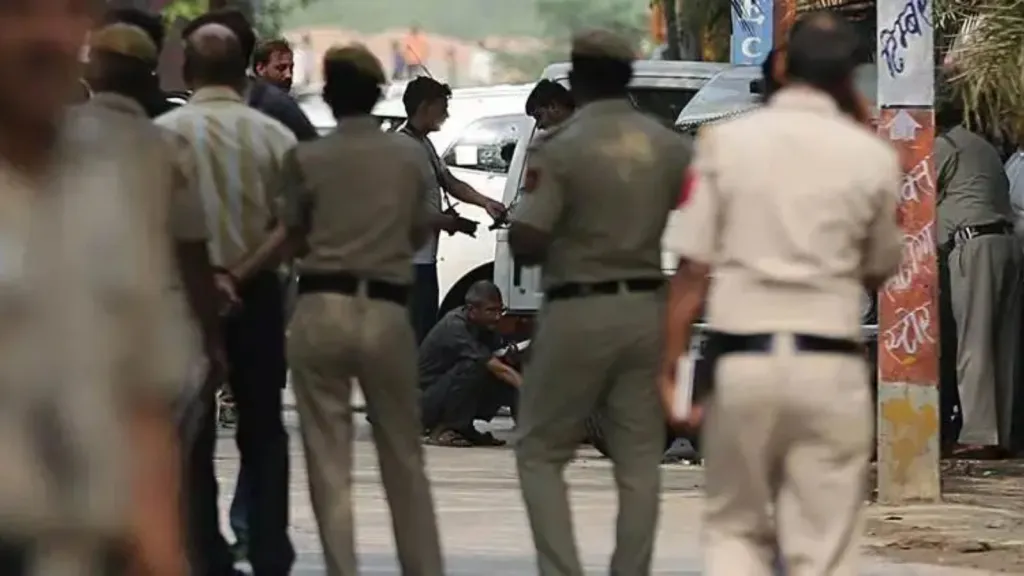
On November 3, more than 100 police personnel took part in simultaneous raids at several locations in Jhalawar. The operation included women officers working in plain clothes to help ensure the safe rescue of the minors and prevent suspected participants from escaping.
All six girls, aged between 12 and 17, were rescued during the operation. The police also seized a large quantity of material considered relevant to the investigation.
A team from the Forensic Science Laboratory examined the locations and collected evidence for further analysis. The forensic examination is expected to assist investigators in assessing the material recovered during the raids and strengthening the case against the accused.
The coordinated nature of the operation reflected the police’s effort to investigate allegations involving several locations, family members and suspected intermediaries rather than treating the complaint as an isolated incident.
Five Arrested, Including Three Women
Police have arrested five people in connection with the alleged racket. The accused include three women and two other individuals who were reportedly neighbours and relatives of the rescued girls.
Investigators suspect that the accused played roles in forcing the minors into sexual exploitation or facilitating the alleged transactions. Their precise individual involvement will be examined as the investigation progresses.
The five accused were produced before a court on Friday and sent to three days of police remand. Investigators are expected to question them about the alleged operation, the involvement of local brokers and whether other people helped arrange customers or collect payments.
Police have registered the case under Sections 3, 4 and 5 of the Immoral Traffic (Prevention) Act, along with relevant provisions of the Protection of Children from Sexual Offences (POCSO) Act.
Medical Examinations Reveal Sexual Exploitation and Health Concerns
The preliminary investigation has raised serious concerns about the treatment and safety of the rescued girls. According to SP Amit Budaniya, five of the six minors were repeatedly sexually exploited.
Medical examinations also identified sexually transmitted infections in two of the girls. Officials said the affected minors have been provided medical treatment and vaccinations under the supervision of health experts.
The medical findings are an important part of the investigation because they help authorities assess the harm suffered by the victims and identify their immediate healthcare needs.
However, the girls’ recovery will require more than medical intervention. Their safety, emotional well-being, education and long-term rehabilitation will also be important as they begin the process of rebuilding their lives.
Rescued Girls Sent to Shelter Home for Protection
Following the rescue, all six girls were produced before the Child Welfare Committee (CWC), the authority responsible for addressing the care and protection needs of children in difficult circumstances.
They were subsequently sent to a shelter home to ensure their safety and provide access to rehabilitation services. The arrangements are intended to protect them from further exploitation while the investigation continues.
The involvement of the Child Welfare Committee is particularly important in cases involving alleged trafficking and sexual exploitation of minors. Children rescued from such circumstances may require medical care, psychological support, legal assistance and help returning to education.
Authorities will also need to ensure that the girls are protected from intimidation or pressure from people who may have been involved in the alleged racket.
What the Laws Invoked by Police Mean
The police have invoked provisions of the Immoral Traffic (Prevention) Act and the Protection of Children from Sexual Offences Act. These laws address different aspects of the alleged offences involving exploitation and the sexual abuse of minors.
Immoral Traffic (Prevention) Act
Sections 3, 4 and 5 of the Immoral Traffic (Prevention) Act deal with offences connected to maintaining brothels, living on the earnings of prostitution and procuring, inducing or taking a person for prostitution.
These provisions are relevant to allegations that family members and intermediaries were facilitating the exploitation of the girls and collecting money through the activity.
Protection of Children from Sexual Offences Act
The POCSO Act provides a legal framework for protecting children from sexual offences. It covers sexual assault, sexual harassment and the use of children for exploitative purposes, with procedures designed to protect minors during investigation and trial.
Since all six rescued girls were below 18, the POCSO provisions are central to the case. The investigation will determine the specific offences supported by the available evidence and the individual responsibility of each accused.
Investigation Continues to Identify Other Suspects
Although five people have been arrested, police say the investigation is not over. Investigators are working to identify other individuals who may have been involved in the alleged racket and determine whether additional minor girls were subjected to similar exploitation.
The role of local brokers is another important part of the investigation. Police will need to establish how customers were allegedly contacted, how payments were arranged and whether the activity involved a wider network beyond the five arrested individuals.
Investigators may also examine the digital and forensic evidence collected during the decoy operation and subsequent raids to establish the sequence of events and identify any additional participants.
The three-day police remand granted to the accused provides investigators with an opportunity to question them and pursue leads emerging from the evidence. Further legal action will depend on the findings of the continuing investigation.
Why the Jhalawar Rescue Raises Wider Concerns About Child Protection
The case has drawn attention to the vulnerability of minors when exploitation is allegedly facilitated by people within their own families and immediate communities. Children who depend on relatives for shelter, financial support and protection can face particular difficulties when those same individuals are suspected of exploiting them.
The allegations also highlight the importance of accessible reporting channels, timely police intervention and coordination between law enforcement agencies, Child Protection authorities and healthcare providers.
Denotified tribes are communities that were historically classified under colonial-era criminal laws, which were repealed after independence. Their mention in the complaint identifies the community background of the families involved, but it should not be taken to suggest that exploitation is characteristic of the community as a whole.
Effective rehabilitation will be essential to ensure that the rescued girls are not exposed to further harm. Long-term support may involve safe accommodation, medical treatment, counselling, education and assistance from child protection authorities.
What Happens Next in the Case?
The immediate priority is to ensure the safety and rehabilitation of all six girls while police continue gathering evidence against the arrested individuals and searching for other possible suspects.
Investigators will also need to establish the full extent of the alleged exploitation, verify the roles played by family members and brokers, and determine whether additional victims were involved.
The arrests and rescue operation represent an important development in the case, but the allegations will ultimately be examined through the legal process. The accused remain subject to investigation and court proceedings, while the rescued minors must receive continued protection and support.
The Jhalawar case underscores the need for coordinated action against the exploitation of children, particularly when those accused of facilitating abuse are people whom the victims should have been able to trust.
For breaking news and live news updates, like us on Facebook or follow us on Twitter and Instagram. Read more on Latest India on thefoxdaily.com.




COMMENTS 0