The Commonwealth Games 2026 in Glasgow have once again brought athletes from India and Pakistan onto the same international sporting stage. While bilateral sporting ties between the two nations remain limited, global multi-sport events continue to create opportunities for athletes to compete against one another and, occasionally, interact beyond the field of play.
This year, attention has shifted from competition results to the rules governing athlete interactions. Reports indicate that Indian athletes have been permitted to shake hands and exchange routine greetings with Pakistani competitors, but they have been advised not to accept gifts, souvenirs or personal tokens from members of the neighbouring contingent.
The guidance reflects a broader approach that seeks to preserve sportsmanship while maintaining established administrative and diplomatic protocols. As thousands of athletes gather in Glasgow, the issue offers an interesting glimpse into how international sporting events operate when political realities intersect with athletic competition.
What Is the Reported Guidance for Indian Athletes?
According to reports emerging from the Commonwealth Games, Indian athletes have not been prohibited from engaging in normal sporting courtesies with Pakistani competitors.
Actions such as:
- Shaking hands before or after competition
- Exchanging greetings
- Offering congratulations
- Participating in routine sportsmanship gestures
- Maintaining professional interactions at venues
are reportedly left to the discretion of individual athletes and their respective sports federations.
However, athletes have reportedly been advised not to accept gifts, souvenirs, memorabilia or other personal items from Pakistani participants during the Games.
The distinction may appear subtle, but it reflects a carefully managed approach designed to separate professional sporting conduct from exchanges that could carry symbolic or diplomatic interpretations.
Why Are India and Pakistan Athletes Likely to Interact More in Glasgow?
One of the unique aspects of the Glasgow Commonwealth Games is the accommodation model.
Unlike many previous multi-sport events that relied on a centralized Athletes’ Village, Glasgow has adopted a zone-based system where athletes are housed across multiple hotels and accommodation clusters.
This arrangement increases the likelihood of incidental interactions between athletes from different nations.
Indian and Pakistani competitors are reportedly staying in several of the same accommodation zones, meaning encounters in hotel lobbies, dining areas, training facilities and transportation hubs are inevitable.
Such proximity naturally raises questions about how athletes should conduct themselves outside formal competition.
The Difference Between Sportsmanship and Diplomatic Messaging
International sport has always occupied a unique position between competition and diplomacy.
A handshake after a match is widely viewed as a symbol of respect between athletes. It acknowledges the effort, dedication and professionalism required to compete at the highest level.
Gift exchanges, however, can sometimes be interpreted differently.
While gifts are often harmless gestures of goodwill, they can also carry symbolic significance, particularly when they occur between representatives of countries with complex political relationships.
As a result, sports administrators frequently establish guidelines to ensure athletes understand the boundaries of acceptable interactions.
The reported Commonwealth Games guidance appears designed to maintain sportsmanship without creating situations that could attract unnecessary political attention.
India and Pakistan in International Sports: A Unique Relationship
The sporting relationship between India and Pakistan has always been distinct.
While bilateral sporting engagements have become increasingly rare in recent years, athletes from both countries continue to meet regularly in international competitions.
These include:
- Olympic Games
- Commonwealth Games
- Asian Games
- World Championships
- Cricket World Cups
- International hockey tournaments
- Athletics competitions
Because these events are organized by international federations rather than national governments, participation remains part of the global sporting framework.
This distinction explains why athletes from both nations continue to compete against one another despite the absence of regular bilateral contests.
How Sporting Interactions Have Changed in Recent Years
One of the most noticeable developments in recent years has been the changing nature of athlete interactions between India and Pakistan.
In some sports, post-match handshakes and exchanges have become less common during high-profile contests.
Cricket, in particular, has witnessed increased scrutiny of player interactions during major tournaments.
At the same time, other sports have continued to demonstrate cordial relationships between competitors.
Hockey, athletics, wrestling and several Olympic disciplines have often seen athletes from both nations interact professionally and respectfully despite broader geopolitical tensions.
This contrast illustrates how sporting culture can vary significantly from one discipline to another.
The Neeraj Chopra-Arshad Nadeem Dynamic
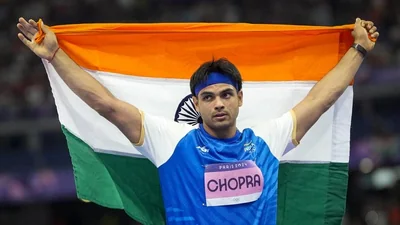
Perhaps no sporting relationship better symbolizes the complexities of India-Pakistan competition than the rivalry between Neeraj Chopra and Arshad Nadeem.
The two javelin stars have emerged as global icons in athletics and have repeatedly competed against each other on the world’s biggest stages.
Despite intense competition, both athletes have consistently emphasized mutual respect and admiration for each other’s achievements.
At Glasgow, reports suggest they are staying in the same accommodation zone ahead of the javelin competition.
Their situation highlights how elite athletes often share professional relationships that transcend national rivalries.
For many fans, such examples demonstrate that sporting excellence and mutual respect can coexist even during fierce competition.
How Different Sports Federations Are Handling the Situation
Another important aspect of the reported guidance is that national sports federations appear to retain significant flexibility.
Different sports operate in different environments and have unique traditions regarding athlete interaction.
As a result, federations have reportedly provided discipline-specific advice.
In sports such as lawn bowls, routine sporting gestures including handshakes and basic courtesies are considered acceptable and consistent with international norms.
Other sports may adopt slightly different approaches depending on competition formats and historical practices.
This flexibility allows federations to respect the traditions of their respective sports while remaining aligned with broader contingent policies.
Why Sportsmanship Remains Essential at Major Events
Regardless of nationality, elite athletes share common experiences.
Years of training, sacrifice, injuries, pressure and dedication create a level of mutual understanding that often transcends political boundaries.
Sportsmanship serves several important functions:
- Maintains respect between competitors
- Protects the integrity of competition
- Sets positive examples for younger athletes
- Demonstrates professionalism on the global stage
- Reinforces the values of international sport
For this reason, gestures such as handshakes remain a widely accepted part of sporting culture across most disciplines.
How the Commonwealth Games Differ from Bilateral Sporting Events
The Commonwealth Games are fundamentally different from bilateral series or head-to-head sporting engagements.
In a multi-sport event, athletes from dozens of countries share facilities, dining halls, transportation systems and competition venues.
The emphasis is on international participation and global sporting values.
Because of this environment, complete avoidance of interaction between athletes from specific nations becomes impractical and often unnecessary.
Instead, organizers and contingents focus on ensuring interactions remain professional, respectful and aligned with event protocols.
The Bigger Picture: Sport as Competition, Not Diplomacy
One of the key lessons from situations like this is that athletes are primarily focused on performance.
Their goals revolve around winning medals, setting records and representing their countries with distinction.
Most competitors arrive at events like the Commonwealth Games concerned with training schedules, recovery sessions, tactical preparation and competition strategy.
While external discussions about diplomacy and protocol often attract media attention, athletes themselves typically remain focused on sporting objectives.
This reality helps explain why routine gestures of respect continue to occur even during periods of strained political relations.
What This Means for the Commonwealth Games 2026
The reported guidance is unlikely to affect competition itself.
Indian athletes will continue pursuing medals across athletics, boxing, wrestling, badminton, shooting, lawn bowls and numerous other disciplines.
Pakistani athletes will be doing the same.
When competitors meet on the field of play, their focus will remain on performance rather than protocol.
The guidance simply provides clarity regarding acceptable conduct outside the competitive arena.
In many ways, it reflects the reality of modern international sport: fierce competition can coexist with professional respect.
Conclusion
The reported Commonwealth Games policy allowing Indian athletes to shake hands with Pakistani competitors while discouraging the exchange of gifts highlights the careful balance that often exists in international sport.
It recognizes the importance of sportsmanship, professionalism and athlete discretion while maintaining established administrative guidelines.
As Glasgow hosts one of the world’s largest multi-sport events, interactions between athletes from different nations are inevitable. What ultimately matters most is that competition remains fair, respectful and focused on sporting excellence.
For athletes representing India and Pakistan, the Commonwealth Games continue to provide an opportunity to compete at the highest level, showcase their talents and demonstrate that respect between competitors remains one of sport’s most enduring values.
For breaking news and live news updates, like us on Facebook or follow us on Twitter and Instagram. Read more on Latest Sports on thefoxdaily.com.






COMMENTS 0