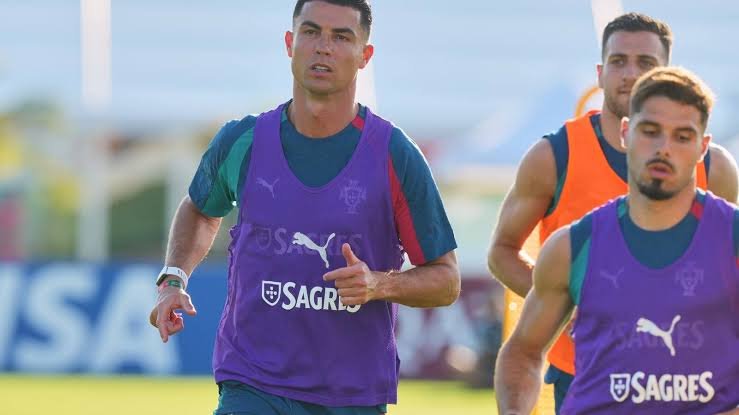
Portugal’s preparations for the 2026 FIFA World Cup suffered an unexpected setback after severe storms forced the team to suspend training in Palm Beach, Florida, just days before their opening group-stage match against DR Congo.
The disruption comes at a crucial stage of the tournament buildup, with Roberto Martinez’s squad aiming to begin their campaign strongly in what could be Cristiano Ronaldo’s final FIFA World Cup appearance.
While weather-related interruptions are not uncommon in football, the incident raises broader questions about how climate conditions are increasingly influencing major sporting events, particularly tournaments spread across multiple host cities and regions.
For Portugal, the challenge now extends beyond tactical preparation. The team must quickly adapt to altered schedules while maintaining focus ahead of a demanding group-stage campaign.
Why Portugal’s Training Session Was Cancelled
Portugal’s scheduled training session on Sunday was called off after a powerful thunderstorm swept through Palm Beach during the afternoon.
The storm brought heavy rainfall, strong winds, and lightning activity, creating unsafe conditions for outdoor training.
As a precautionary measure, players and coaching staff were moved indoors, where they continued with modified fitness exercises and recovery work.
Team officials also cancelled the planned media activities, including a press conference that was expected to provide updates on Portugal’s preparations and player fitness.
With forecasts predicting continued unstable weather conditions, the Portuguese Football Federation rescheduled both training and media duties for Monday morning.
How the Weather Disruption Could Affect Portugal’s World Cup Preparation
At this stage of a major tournament, every training session carries significant importance.
Coaches typically use the final days before an opening match to refine tactical details, rehearse set-piece routines, assess player fitness, and build team chemistry.
Any disruption can impact preparation, particularly for teams integrating new players or adjusting strategies for specific opponents.
However, experienced squads often develop contingency plans for unforeseen circumstances.
Portugal’s coaching staff can still utilise indoor sessions for video analysis, tactical discussions, recovery work, and individual conditioning programmes.
Given the quality and experience within the squad, a single cancelled session is unlikely to significantly derail their preparations.
Nevertheless, the situation serves as a reminder that adaptability is becoming an increasingly important quality in modern tournament football.
| Disrupted Activity | Impact | Alternative Solution |
|---|---|---|
| Outdoor Training Session | Tactical rehearsal delayed | Indoor conditioning and analysis |
| Press Conference | Reduced media interaction | Rescheduled for Monday |
| Physical Preparation | Modified training intensity | Gym and recovery sessions |
| Team Routine | Schedule adjustment required | Revised training timetable |
Cristiano Ronaldo’s Final World Cup Mission?
Much of the attention surrounding Portugal’s campaign centres on Cristiano Ronaldo, who is set to make his record-extending sixth FIFA World Cup appearance.
At 41 years old, the Portugal captain continues to defy expectations with his fitness levels and commitment to international football.
Although Ronaldo remains a key figure on the pitch, his influence extends beyond goals and statistics.
His leadership, tournament experience, and ability to handle pressure make him an invaluable asset in high-stakes situations.
With speculation growing that this could be his final World Cup, Portugal enters the tournament carrying both heightened expectations and significant emotional momentum.
Portugal’s Strongest World Cup Squad in Years?
While Ronaldo remains the headline name, Portugal’s ambitions are built on the depth and balance of their squad.
Roberto Martinez has assembled a team that combines experienced leaders with emerging stars competing at Europe’s biggest clubs.
The squad features creativity in midfield, defensive stability, and multiple attacking options capable of changing matches.
| Position | Key Players | Strengths |
|---|---|---|
| Goalkeeper | Diogo Costa | Distribution and shot-stopping |
| Defence | Ruben Dias, Nuno Mendes | Organisation and pace |
| Midfield | Bruno Fernandes, Vitinha, Joao Neves | Creativity and ball control |
| Attack | Cristiano Ronaldo, Goncalo Ramos, Rafael Leao | Goals and versatility |
This blend of youth and experience has positioned Portugal among the leading contenders for the 2026 FIFA World Cup title.
Portugal’s Road Through Group K
Portugal begins its campaign against DR Congo before facing Uzbekistan and Colombia in Group K.
On paper, Portugal enters the group as favourites, but recent World Cups have repeatedly demonstrated the dangers of underestimating opponents.
DR Congo will view the opening match as an opportunity to make a statement, while Colombia possesses the quality and experience to challenge for top spot.
Uzbekistan, meanwhile, continues to emerge as one of Asia’s most organised and disciplined teams.
Managing player fitness and squad rotation across these fixtures will be critical.
| Match | Date | Venue |
|---|---|---|
| Portugal vs DR Congo | June 17, 2026 | Houston |
| Portugal vs Uzbekistan | June 23, 2026 | TBC |
| Portugal vs Colombia | June 27, 2026 | TBC |
The Growing Impact of Extreme Weather on Global Sports
Portugal’s disrupted training session is part of a broader trend affecting international sporting events.
From extreme heat and thunderstorms to poor air quality and heavy rainfall, climate-related disruptions are becoming more frequent across major tournaments.
Organisers increasingly face difficult decisions around scheduling, player safety, and venue management.
The expanded 2026 FIFA World Cup, spread across the United States, Canada, and Mexico, introduces additional logistical challenges due to varying weather patterns across host cities.
Teams that adapt quickly to changing conditions may gain a competitive advantage during the tournament.
As global football evolves, preparation is no longer limited to tactics and fitness. Environmental adaptability is becoming an essential component of success.
How Portugal Can Turn Disruption Into an Advantage
Elite teams often use unexpected setbacks to strengthen focus and unity.
Portugal’s experienced squad has navigated high-pressure situations throughout their careers, and a weather-related interruption is unlikely to cause lasting concern.
In fact, adjusting to unforeseen challenges early in the tournament could help build resilience.
By maintaining flexibility and embracing alternative preparation methods, Portugal can ensure the disruption remains a minor inconvenience rather than a significant obstacle.
For Martinez and his staff, the key objective will be preserving rhythm while ensuring players remain physically and mentally fresh for the opening fixture.
Conclusion
Portugal’s suspended training session ahead of the FIFA World Cup opener serves as a reminder that even the best-prepared teams cannot control every variable.
While severe weather briefly disrupted their schedule, the squad’s experience, depth, and leadership should enable them to adapt quickly.
With Cristiano Ronaldo preparing for what could be his final World Cup and a talented generation eager to make history, Portugal remains one of the tournament’s most compelling teams.
The storms in Florida may have delayed preparations, but they are unlikely to diminish Portugal’s ambitions.
As the countdown to the clash against DR Congo continues, all eyes will remain on whether the Selecao das Quinas can finally convert their immense potential into World Cup glory.
For breaking news and live news updates, like us on Facebook or follow us on Twitter and Instagram. Read more on Latest Sports on thefoxdaily.com.






COMMENTS 0