The aftermath of the FIFA World Cup 2026 continues to generate headlines long after Spain lifted the trophy in New Jersey. This time, the spotlight is not on goals, tactics, or celebrations, but on an extraordinary online movement that reportedly attracted more than 23 million signatures demanding Argentina’s exclusion from future World Cups.
While the petition has no legal authority over FIFA’s decision-making process, its sheer scale highlights the intensity of emotions generated during one of the most controversial tournaments in recent football history.
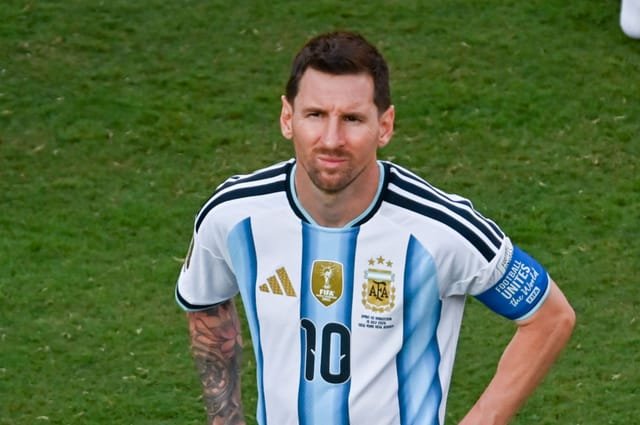
At the center of the debate is Argentina, Lionel Messi, several disputed refereeing decisions, and a growing divide among global football supporters over what they believe constituted fair competition during the tournament.
Why the ‘Argentina Out’ Petition Became a Global Story
Football petitions are nothing new. Fans regularly launch online campaigns demanding managerial sackings, transfers, disciplinary actions, or rule changes.
What makes the Argentina petition remarkable is its reported international reach and participation level.
The campaign gained momentum as controversy followed Argentina throughout the tournament, particularly during several knockout-stage matches where refereeing decisions became major talking points across social media platforms.
Supporters from multiple countries argued that Argentina benefited from questionable calls, while critics claimed FIFA failed to address growing concerns regarding officiating consistency.
The petition eventually evolved from a protest movement into a symbol of wider frustration surrounding tournament governance.
Understanding the Main Complaints Behind the Petition
The campaign’s supporters centered their arguments around perceived officiating inconsistencies.
Several moments during Argentina’s journey to the final triggered widespread debate among fans, analysts, and former players.
Common concerns raised by critics included:
- Alleged inconsistency in disciplinary decisions.
- Disputed penalty and foul calls.
- Questions regarding VAR interventions.
- Perceived favoritism toward high-profile teams.
- Lack of transparency surrounding controversial incidents.
Whether those claims were justified remains a matter of opinion. However, the volume of discussion demonstrates how modern football fans increasingly scrutinize every major decision through instant replays, analytics, and social media commentary.
The Role of Lionel Messi in the Debate
No player attracts more global attention than Lionel Messi.
As Argentina’s captain and arguably the most famous footballer of his generation, Messi inevitably became central to the conversation.
For supporters, Messi represented leadership, excellence, and the emotional heart of Argentina’s campaign.
For critics, his global popularity fueled concerns that football’s biggest stars receive preferential treatment, whether intentionally or unintentionally.
This phenomenon is not unique to Messi. Throughout sporting history, icons such as Pelé, Diego Maradona, Michael Jordan, Roger Federer, Serena Williams, Cristiano Ronaldo, and Lewis Hamilton have frequently found themselves at the center of debates extending far beyond their performances.
The reality is that superstar athletes often become symbols in larger discussions about fairness, influence, and sporting governance.
Spain’s World Cup Triumph Changed the Narrative
Interestingly, the controversy surrounding Argentina lost some momentum after Spain secured a 1-0 victory in the World Cup final.
Had Argentina won the tournament, allegations and debates might have intensified significantly.
Instead, Spain’s triumph shifted the narrative toward footballing achievement.
The Spanish team’s tactical discipline, defensive strength, and ability to perform under pressure earned widespread praise from neutral observers.
Many analysts argued that Spain’s victory demonstrated that, regardless of earlier controversies, the tournament’s final outcome was ultimately decided on the pitch.
Can FIFA Ban a Country Because of a Petition?
The short answer is no.
Regardless of how many signatures an online petition gathers, FIFA does not impose sanctions based solely on public campaigns.
Member associations can only face suspension or exclusion under specific circumstances, including:
- Serious governance violations.
- Political interference in football administration.
- Breaches of FIFA statutes.
- Match-fixing or corruption findings.
- Failure to comply with international regulations.
A fan-led petition, regardless of its popularity, does not constitute grounds for removing a national team from international competition.
This explains why Argentina’s participation in future tournaments remains unaffected.
The Rise of Digital Football Activism
One of the most important stories emerging from this controversy has little to do with Argentina itself.
Instead, it reflects the growing influence of digital activism in modern sports.
Twenty years ago, fan frustration was largely confined to newspapers, television debates, and local supporter groups.
Today, online platforms allow millions of supporters from different continents to organize around shared grievances within hours.
This transformation has fundamentally changed the relationship between governing bodies and fans.
Football organizations now operate in an environment where every controversial decision can spark immediate global reactions.
How Social Media Amplified the Controversy
The World Cup generated billions of social media interactions across platforms.
Every refereeing decision, VAR review, and disciplinary incident became subject to instant analysis.
Several factors accelerated the spread of controversy:
- Short-form video clips.
- Fan-generated analysis.
- Influencer commentary.
- Real-time reaction content.
- Algorithm-driven engagement.
Research consistently shows that controversial content often receives higher engagement than routine sporting discussions.
As a result, disputed decisions frequently dominate online conversations even when other footballing stories may be equally significant.
Argentina Fans Launch Their Own Counter Movement
The controversy did not end with the anti-Argentina petition.
Following the World Cup final, many Argentine supporters launched campaigns questioning officiating decisions in the championship match itself.
Some supporters argued that key moments favored Spain and called for further reviews of controversial incidents.
This reaction illustrates a common pattern in modern football.
When one fan base believes its team benefited from officiating, another often feels disadvantaged.
The result is an endless cycle of competing narratives.
Why Refereeing Remains Football’s Most Divisive Issue
Despite advancements in technology, refereeing continues to generate intense debate.
VAR was introduced to reduce obvious errors and increase accuracy.
However, while technology has solved some problems, it has created new discussions regarding interpretation and consistency.
Football differs from many sports because numerous decisions remain subjective.
Questions such as:
- Was there enough contact for a penalty?
- Was a challenge reckless or merely aggressive?
- Did a player gain an unfair advantage?
- Should VAR intervene?
often depend on interpretation rather than objective measurement.
That reality ensures refereeing controversies are unlikely to disappear entirely.
The Commercial Impact of World Cup Controversies
Major controversies can have significant commercial implications for football.
FIFA’s global appeal depends heavily on perceptions of fairness and credibility.
When large groups of supporters question officiating standards, governing bodies face increased pressure to demonstrate transparency.
Potential consequences include:
- Greater scrutiny of referee appointments.
- Expanded communication regarding VAR decisions.
- Additional transparency measures.
- Enhanced officiating training programs.
- Public reviews of controversial incidents.
Maintaining trust remains essential for the sport’s continued growth.
Could FIFA Introduce New Transparency Measures?
One lesson from recent tournaments is that fans increasingly expect explanations.
Many sports now provide detailed insights into officiating decisions.
Rugby, cricket, and American football regularly allow audiences to hear or understand the reasoning behind critical rulings.
Football has gradually moved in the same direction, but many supporters believe more transparency is needed.
The controversy surrounding Argentina’s World Cup campaign may strengthen calls for greater communication regarding refereeing processes.
The Bigger Picture: Football’s Passion Is Both Its Strength and Challenge
The extraordinary reaction to Argentina’s World Cup run demonstrates something fundamental about football.
No other sport consistently generates this level of emotional investment across so many countries.
Supporters care deeply because the stakes feel personal.
National teams represent identity, culture, history, and pride.
When fans believe those values are threatened by questionable decisions, reactions can become intense.
At the same time, that passion is one of football’s greatest strengths.
It drives engagement, fuels rivalries, and transforms the World Cup into a truly global event.
What This Means for Argentina and Lionel Messi Going Forward
Despite the controversy, Argentina remain one of football’s most successful and influential nations.
The country continues to produce elite talent, maintains one of the world’s strongest football cultures, and remains a major attraction for global audiences.
For Lionel Messi, the debate is unlikely to significantly alter his legacy.
His achievements across club and international football have already secured his place among the sport’s greatest players.
While controversies may shape discussions surrounding specific tournaments, long-term legacies are typically defined by sustained excellence rather than isolated debates.
Key Facts Behind the Petition Debate
| Topic | Details |
|---|---|
| Petition Objective | Ban Argentina from future World Cups |
| Reported Signatures | More than 23 million |
| Countries Represented | 170+ |
| World Cup Final Result | Spain 1-0 Argentina |
| Argentina’s Future Status | Eligible for future FIFA competitions |
| 2030 World Cup | Argentina expected to participate |
Conclusion
The reported 23-million-signature petition against Argentina represents one of the most remarkable fan reactions in World Cup history. While it carries no official influence over FIFA’s decision-making process, it highlights growing concerns among supporters regarding refereeing consistency, transparency, and governance in international football.
More importantly, the controversy illustrates how digital platforms are transforming the relationship between fans and football’s governing bodies. Supporters now possess unprecedented ability to organize, mobilize, and amplify their voices on a global scale.
Whether one agrees with the petition or not, its emergence serves as a reminder that football remains far more than a game. It is a cultural phenomenon capable of inspiring passion, debate, and global conversation long after the final whistle has blown.
As FIFA looks toward future tournaments, maintaining trust, transparency, and competitive integrity will remain just as important as the football itself.
For breaking news and live news updates, like us on Facebook or follow us on Twitter and Instagram. Read more on Latest Sports on thefoxdaily.com.






COMMENTS 0