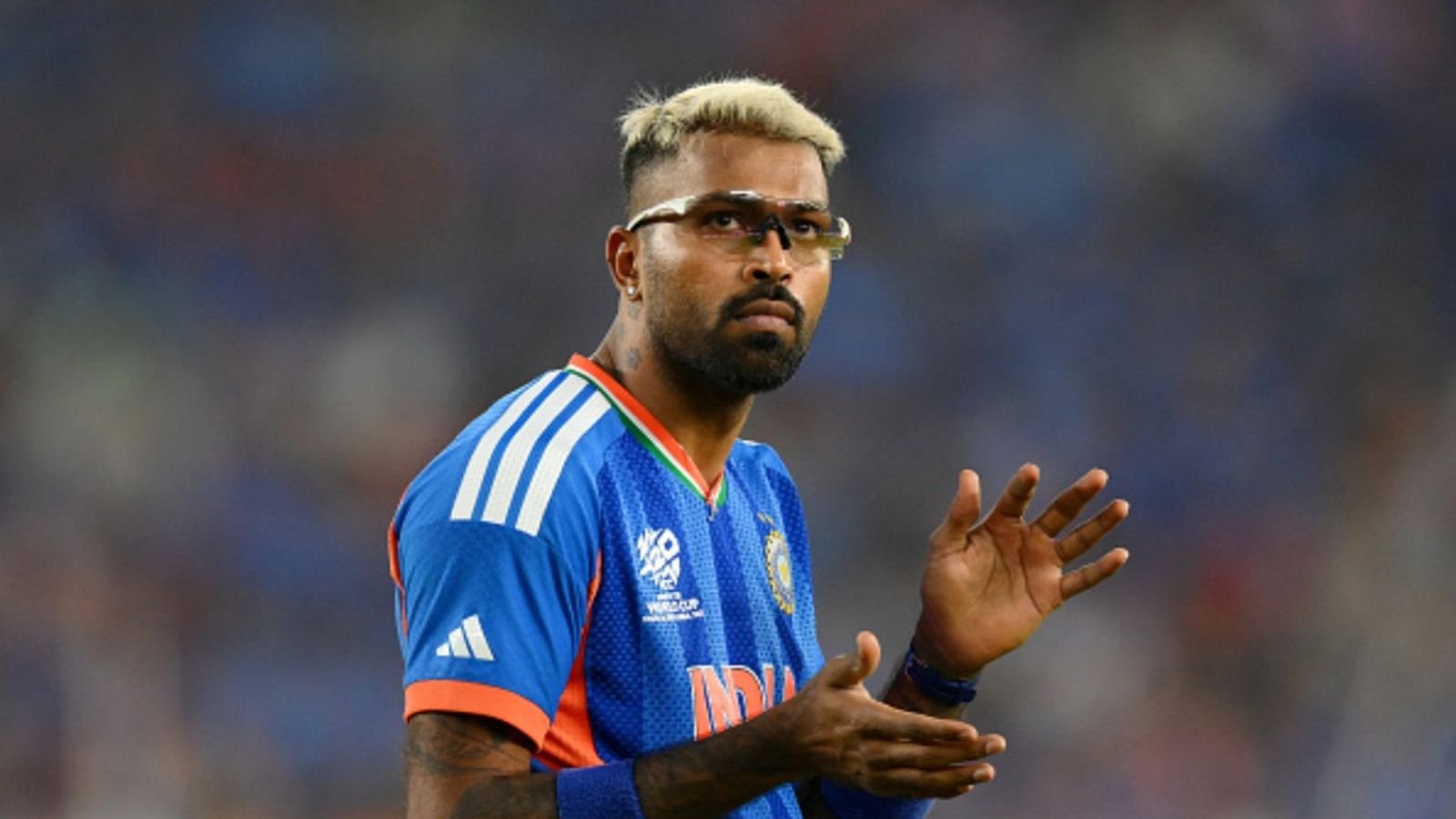
Hardik Pandya training base shift has become one of the biggest talking points in Indian Cricket after reports revealed that the star all-rounder has moved his fitness and rehabilitation base to Bengaluru. The India cricketer has reportedly rented accommodation near the Board of Control for Cricket in India’s (BCCI) Centre of Excellence (COE), aiming to make the facility his primary hub for the remaining years of his career.
The move comes after Hardik missed India’s white-ball assignments against Ireland and England due to a recurring quadriceps injury. With fitness challenges affecting his availability in recent years, the all-rounder is now focusing on creating a more structured routine around recovery, training and injury management.
Rather than treating rehabilitation as a temporary process, Hardik’s reported decision highlights a bigger career strategy — building a sustainable system that allows him to stay at the highest level for longer.
Why Hardik Pandya chose Bengaluru’s Centre of Excellence
The BCCI Centre of Excellence in Bengaluru has become one of the most important facilities for Indian athletes, especially cricketers dealing with injuries or looking to improve their fitness levels.
The facility provides access to specialised resources, including:
- Advanced fitness programmes
- Sports science support
- Injury rehabilitation facilities
- Strength and conditioning experts
- Cricket-specific training environments
According to reports, Hardik found it difficult to maintain the required balance between his training schedule and daily travel from Mumbai. By staying closer to the COE, he can spend more time focusing on recovery and preparation.
| Previous Setup | New Bengaluru-Based Approach |
|---|---|
| Training around Mumbai schedule | Dedicated access to COE facilities |
| Travel time affected routine | More controlled recovery environment |
| Periodic rehabilitation visits | Long-term fitness planning |
Hardik Pandya’s injury concerns and comeback target
Hardik’s biggest challenge in recent years has been maintaining consistent fitness, especially because his role requires him to perform multiple demanding tasks.
As an all-rounder, Hardik is expected to:
- Bat in pressure situations
- Bowl important overs
- Field explosively
- Handle leadership responsibilities
A quadriceps injury is particularly significant for a pace-bowling all-rounder because running, sprinting and bowling workloads place repeated stress on the lower body.
Hardik has reportedly spent considerable time at the COE recovering and is now targeting a return during India’s upcoming Zimbabwe T20I series in July.
A long-term plan to extend his India career
The biggest message from Hardik’s reported move is his commitment toward extending his international career.
The Indian all-rounder has been one of the most valuable white-ball players for India because genuine pace-bowling all-rounders are rare. His ability to contribute in both batting and bowling gives the team tactical flexibility.
According to reports, Hardik views the Bengaluru move as an investment in the next phase of his career, with the goal of remaining a key part of India’s white-ball setup for several more years.
Why fitness management has become crucial for Hardik
Hardik’s career has repeatedly shown the importance of workload management. Unlike specialist batters or bowlers, all-rounders carry a unique physical burden because they contribute in every department.
Modern cricket schedules are also more demanding, with players moving between international matches, franchise leagues and global tournaments.
A structured fitness base can help Hardik:
- Reduce injury risks
- Improve recovery between matches
- Maintain bowling intensity
- Manage workload across formats
Hardik Pandya’s importance to India’s white-ball plans
India’s search for reliable all-rounders has made Hardik one of the most important players in the squad.
His absence was noticeable because replacing a player who can provide both batting depth and bowling options is extremely difficult.
With major tournaments and future bilateral series ahead, keeping Hardik fit remains a priority for Indian team management.
Comparison: Hardik’s approach vs traditional injury recovery methods
| Traditional Approach | Hardik’s Reported Strategy |
|---|---|
| Recover after injury and return | Build permanent fitness system |
| Short-term rehabilitation focus | Long-term career management |
| Training around personal schedule | Dedicated professional environment |
What this means for India’s future team combination
Hardik’s availability directly affects India’s playing combinations. His presence allows selectors to include additional specialist bowlers or batters because he covers multiple roles.
Without him, India often need to make tactical compromises, especially in overseas conditions where balance becomes critical.
For a team preparing for future white-ball challenges, a fully fit Hardik Pandya remains a major asset.
Return timeline: When can Hardik Pandya play again?
Hardik is expected to continue his rehabilitation process before making a competitive comeback. The Zimbabwe T20I series in July has emerged as a possible return point, although his final availability will depend on fitness assessments.
The priority for both Hardik and the team management will be avoiding another rushed comeback that could lead to another setback.
The bigger picture: A new chapter in Hardik Pandya’s career
The decision to shift his training base represents a different mindset from simply recovering after injuries. It shows a move toward proactive career management.
Many elite athletes around the world build their routines around specialised facilities, sports science teams and long-term physical preparation. Hardik’s reported move follows a similar philosophy.
Conclusion
Hardik Pandya training base shift to Bengaluru’s Centre of Excellence reflects his determination to overcome fitness challenges and continue representing India at the highest level.
After missing the England ODIs, the all-rounder is taking a long-term approach by creating a dedicated environment for training and recovery. If the plan succeeds, India could benefit from having one of their most valuable white-ball players available for many more years.
For breaking news and live news updates, like us on Facebook or follow us on Twitter and Instagram. Read more on Latest Sports on thefoxdaily.com.






COMMENTS 0