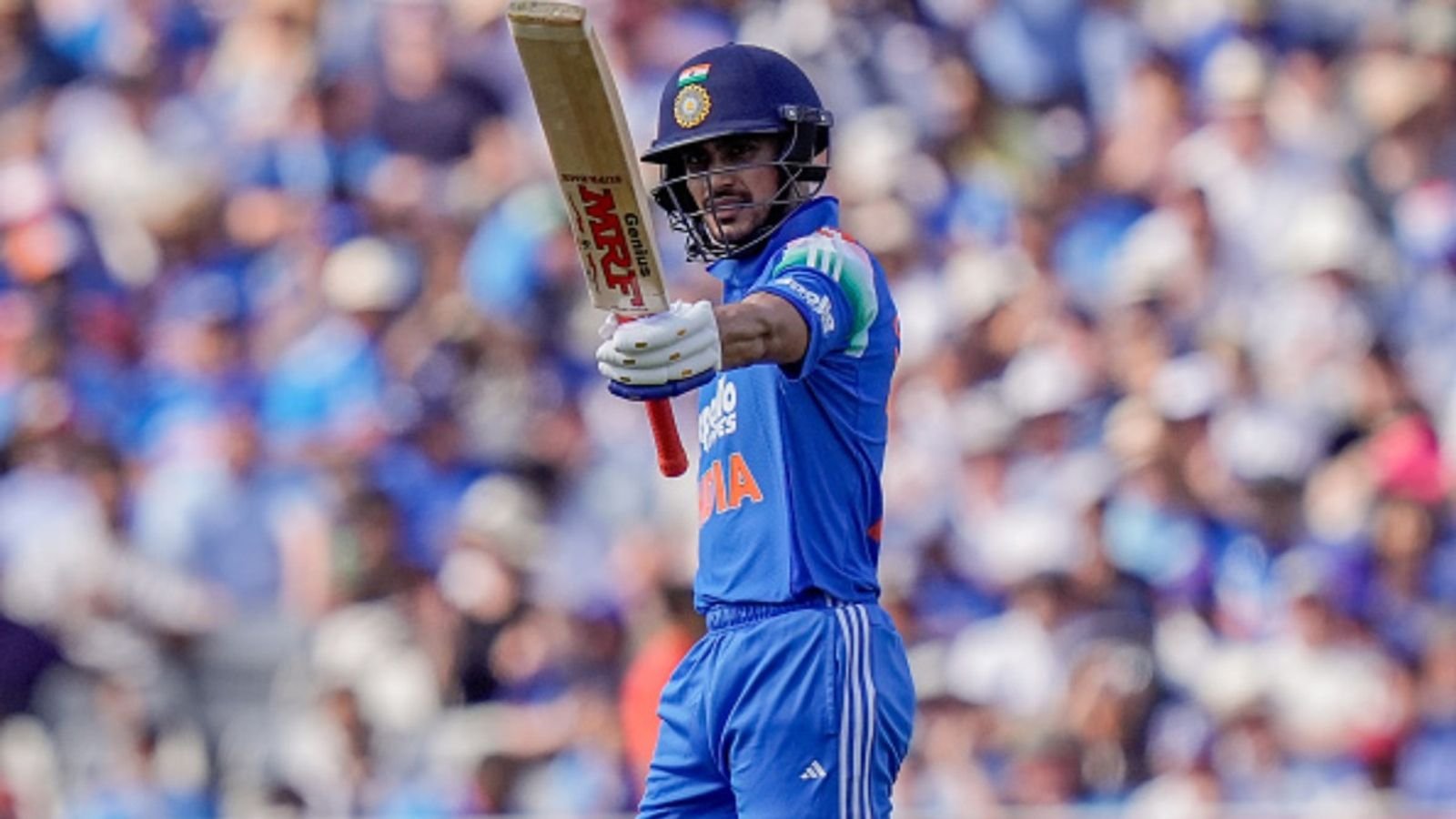
India may have suffered a 2-1 ODI series defeat against England, but the latest ICC Men’s ODI Rankings tell a different story about the strength of the team’s batting unit. The newest rankings update highlights India’s growing dominance in 50-over cricket, with three Indian batters occupying positions inside the top four and captain Shubman Gill moving within touching distance of becoming the world’s No.1 ODI batter.
The rankings reflect more than individual success. They showcase a batting structure that continues to produce elite performers across generations. While Gill is leading the next wave of Indian cricket, experienced stars Virat Kohli and Rohit Sharma remain among the most consistent performers in international cricket.
With the 2027 ODI World Cup approaching and teams beginning to shape their long-term plans, India’s presence at the top of the rankings offers a strong indication of where the balance of power currently lies in world cricket.
Shubman Gill One Step Away From Becoming World No.1 ODI Batter
The biggest story from the latest rankings update is undoubtedly Shubman Gill’s surge toward the summit of ODI batting.
The Indian captain accumulated 188 runs during the recent ODI series against England, continuing a remarkable run of form that has transformed him from a promising young talent into one of the game’s premier batters.
Gill now sits on 801 rating points, just one point behind New Zealand batter Daryl Mitchell, who currently occupies the No.1 position with 802 points.
The narrow gap means Gill could potentially become the world’s highest-ranked ODI batter with another strong series in the coming months.
His rise has been built on consistency rather than isolated brilliance. Over the last few years, Gill has developed into a complete ODI batter capable of adapting to different conditions, match situations, and bowling attacks.
His ability to score quickly without taking unnecessary risks has made him one of the most valuable players in modern one-day cricket.
Latest ICC ODI Batting Rankings: Top 10
| Rank | Player | Country | Rating Points |
|---|---|---|---|
| 1 | Daryl Mitchell | New Zealand | 802 |
| 2 | Shubman Gill | India | 801 |
| 3 | Virat Kohli | India | 767 |
| 4 | Rohit Sharma | India | 758 |
| 8 | Joe Root | England | Moved Up 4 Places |
The rankings underline India’s extraordinary depth, with three players occupying three of the top four positions.
Why Shubman Gill’s Rise Matters for Indian Cricket
Gill’s ascent represents more than just a personal achievement.
For over a decade, Indian batting revolved around Virat Kohli and Rohit Sharma. While both remain among the world’s best, the emergence of Gill ensures a smooth transition into the next era of Indian cricket.
At a time when many international teams are searching for batting consistency, India have successfully integrated a new leader without sacrificing performance.
Gill’s growth has been particularly impressive because he has succeeded across multiple responsibilities. He is now expected not only to score runs but also to lead the side and guide a younger generation of players.
The ability to balance captaincy and run-scoring is one of cricket’s toughest challenges, making his rise even more significant.
Virat Kohli Continues to Defy Expectations
While much of the attention is focused on Gill, Virat Kohli’s continued presence near the top of the rankings deserves equal recognition.
Holding third place with 767 rating points, Kohli remains one of the most reliable ODI batters in world cricket despite being well into the later stages of his international career.
His ranking demonstrates a level of longevity rarely seen in modern cricket.
Many players experience significant declines after crossing their mid-thirties, but Kohli continues to compete with players nearly a decade younger.
His ability to chase targets, control innings, and perform under pressure remains among the defining qualities of contemporary ODI cricket.
For India, Kohli’s continued excellence provides invaluable stability around which younger players can develop.
Rohit Sharma’s Century Sends a Strong Message
Rohit Sharma’s position at No.4 is equally significant given the recent debate surrounding his future.
The veteran opener silenced critics with a brilliant century in the final ODI against England, producing one of the finest innings of the series.
His knock reaffirmed why he remains one of the most dangerous opening batters in the format.
Despite speculation about retirement and succession planning, Rohit’s ranking of 758 points highlights his continued value to India’s ODI setup.
More importantly, it demonstrates that experience remains a crucial asset in international cricket.
As India build toward future ICC tournaments, Rohit’s combination of leadership, aggression, and match-winning ability could continue to play a major role.
India’s Top-Order Dominance Is Unlike Any Other Team
No other nation currently enjoys the same level of representation among the world’s leading ODI batters.
Having three players inside the top four rankings is a remarkable achievement that reflects years of investment in batting development.
The strength of India’s batting lineup extends beyond individual talent.
Each player offers a different skill set:
- Shubman Gill: Modern stroke-maker with exceptional consistency.
- Virat Kohli: Chase master and middle-order anchor.
- Rohit Sharma: Explosive opener capable of changing games quickly.
Together, they create one of the most balanced top orders in international cricket.
Opposition teams face the difficult challenge of containing three elite batters who can dominate in different ways.
England Stars Also Make Significant Progress
Although India dominated the rankings conversation, England’s players also enjoyed notable gains following their series victory.
Veteran batter Joe Root was among the biggest beneficiaries.
Root accumulated 249 runs in the series without being dismissed, a remarkable achievement that helped him climb four places to eighth in the rankings.
His performances were instrumental in England’s series win and served as a reminder of his enduring class across formats.
Ben Duckett also enjoyed a significant rise, moving up 11 places to joint 19th position, while Jacob Bethell climbed five places to 64th.
The rankings improvements reflect England’s growing batting depth as they continue preparing for future ICC events.
Other International Movers in the Rankings
The latest rankings update also featured strong gains for several New Zealand players.
Michael Bracewell and Mark Chapman both improved their positions after productive performances against the West Indies.
Bracewell moved into 54th place, while Chapman climbed to 62nd.
Their progress highlights New Zealand’s ability to consistently produce versatile ODI players capable of contributing in multiple roles.
As competition intensifies ahead of the next major ICC tournaments, every rankings movement provides insight into which teams are building momentum.
What the Rankings Reveal About the Future of ODI Cricket
The latest standings offer several important clues about the direction of modern ODI cricket.
First, batting consistency remains the most valuable currency in the format.
Players who can repeatedly score runs across different conditions continue to dominate the rankings.
Second, leadership and performance are becoming increasingly intertwined. Both Gill and Rohit carry captaincy responsibilities, while senior figures such as Kohli continue influencing results through experience.
Third, teams with stable top orders remain better positioned for success in major tournaments.
India’s representation near the top of the rankings reflects the advantage of having multiple world-class batters operating simultaneously.
Can Shubman Gill Become the Long-Term Face of ODI Cricket?
The possibility of Gill becoming the world’s No.1 ODI batter raises a broader question about his future role in global cricket.
At just 26 years old, he already combines technical excellence, consistency, leadership, and adaptability.
Few players in recent history have accumulated such credentials so early in their careers.
If he continues his current trajectory, Gill could emerge as the defining ODI batter of the next decade.
His ability to build innings while maintaining a modern scoring rate makes him ideally suited to contemporary one-day cricket.
With several prime years still ahead of him, the rankings suggest his best cricket may yet be to come.
Comparison: India’s Current ODI Batting Era vs Previous Generations
| Era | Key Players | Strength |
|---|---|---|
| 2000s | Sachin Tendulkar, Sourav Ganguly, Rahul Dravid | Experience and consistency |
| 2010s | Virat Kohli, Rohit Sharma, Shikhar Dhawan | Run-scoring dominance |
| 2020s | Gill, Kohli, Rohit | Balance of youth, experience and leadership |
India’s current batting unit stands out because it combines proven veterans with an emerging superstar who is already capable of leading the team.
Conclusion: India’s Batting Power Continues to Set the Global Standard
The latest ICC ODI Rankings reinforce a simple reality: India remains one of the strongest batting nations in world cricket.
Shubman Gill’s rise to within one rating point of the No.1 position highlights the emergence of a new global superstar, while Virat Kohli and Rohit Sharma continue proving why they remain among the game’s elite performers.
Although the recent ODI series against England ended in disappointment, the rankings demonstrate that India’s batting foundation remains exceptionally strong.
As attention shifts toward future ICC tournaments and the road to the 2027 ODI World Cup gathers momentum, India possess something every major team desires: multiple batters capable of dominating world cricket simultaneously.
And with Gill now just a single point away from the summit, the next rankings update could mark the beginning of a new era in ODI batting.
For breaking news and live news updates, like us on Facebook or follow us on Twitter and Instagram. Read more on Latest Sports on thefoxdaily.com.






COMMENTS 0