India’s six-wicket defeat to the West Indies in the second T20I has raised questions about the team’s bowling execution, captaincy decisions and batting-order experiments. Despite posting an imposing total of 249/5 in Ranchi, the hosts could not stop the visitors from completing a remarkable chase on October 9, 2026.
West Indies levelled the five-match series 1-1 after reaching 252/4 in just 18.3 overs. Shai Hope produced an unbeaten century, while Sherfane Rutherford delivered an explosive supporting performance. Their efforts overshadowed Sanju Samson’s 82 off 41 deliveries and a strong overall contribution from India’s batters.
The result prompted criticism and tactical analysis from several former Indian cricketers and experts. Ravichandran Ashwin, Yuzvendra Chahal, Sunil Gavaskar, Abhinav Mukund and Varun Aaron highlighted different aspects of India’s performance, ranging from bowling development and line-and-length control to the batting order and the captain’s decisions.
India vs West Indies 2nd T20I: Match Summary
| Match Detail | Information |
|---|---|
| Match | India vs West Indies, 2nd T20I |
| Date | October 9, 2026 |
| Venue | JSCA International Stadium Complex, Ranchi |
| India | 249/5 in 20 overs |
| West Indies | 252/4 in 18.3 overs |
| Result | West Indies won by six wickets |
| Series Score | 1-1 after two matches |
| India’s Leading Batter | Sanju Samson – 82 off 41 balls |
| West Indies’ Leading Batter | Shai Hope – 102 not out off 45 balls |
| Other Major Contribution | Sherfane Rutherford – 84 off 37 balls |
| India’s Leading Bowler | Mayank Yadav – 3/36 in three overs |
1. Ravichandran Ashwin Questions India’s Bowling Development
Former India off-spinner Ravichandran Ashwin focused on a broader concern following the defeat: the development of India’s bowling resources. According to Ashwin, the performance in Ranchi highlighted the need to invest more attention in preparing bowlers to handle demanding T20 conditions.
Speaking on his YouTube channel, Ashwin explained that his criticism was not simply about blaming the bowlers for one disappointing performance. Instead, he questioned whether enough emphasis was being placed on developing bowlers capable of executing their plans under pressure.
“It’s not that I’m blaming the bowlers, but we don’t have enough quality in our bowling, and we haven’t placed enough emphasis on developing it.”
Ashwin also highlighted the importance of understanding match situations, reading conditions and making decisions quickly. These qualities become particularly important in high-scoring T20 matches, where even a small mistake can lead to a significant change in momentum.
Why Ashwin’s observation matters
India conceded 252 runs in 18.3 overs despite having 249 runs to defend. While the size of the target placed pressure on the West Indies, the visitors still found opportunities to score consistently and finish the chase ahead of schedule.
India were also without the services of Jasprit Bumrah for the ongoing series, while Hardik Pandya was unavailable because of injury, according to the supplied match report. Their absence reduced the options available to the team, making the contributions of the remaining bowlers especially important.
Ashwin’s comments therefore raised a question beyond this particular result: how can India develop a bowling unit capable of adapting to different pitches, aggressive batters and pressure situations? The Ranchi match offered a reminder that building a competitive T20 bowling attack involves more than relying on individual performances.
2. Yuzvendra Chahal Criticises India’s Line and Length
Former India leg-spinner Yuzvendra Chahal focused on the execution of India’s bowling plans. Reviewing the match on Star Sports, Chahal argued that the bowlers struggled to maintain consistent lengths and gave the West Indies opportunities to score freely.
“I felt they became slightly defensive. We bowled everywhere. We bowled fuller as well. We missed the length.”
Chahal also pointed out that India had some success when the bowlers delivered the ball on a good length. However, maintaining that discipline became difficult as the West Indies batters increased the pressure during the chase.
How bowling lengths affected the chase
In T20 cricket, bowlers must balance their desire to take wickets with the need to restrict scoring opportunities. Delivering the ball too full can allow batters to drive or hit through the line, while short deliveries can provide opportunities for pulls and cuts. Inconsistent lengths can make it easier for established batters to anticipate scoring options.
Chahal’s assessment suggested that India’s bowlers became less consistent as the West Indies continued attacking. With a target of 250, the visitors did not need to play cautiously for long periods. Instead, they could keep the required scoring rate under control by finding boundaries and maintaining momentum.
Mayank Yadav was India’s standout bowler, finishing with figures of 3/36 from three overs. His wickets gave India opportunities to challenge the chase, but the other bowlers struggled to contain the scoring rate.
Chahal’s comments highlighted the importance of discipline when defending a large total. Even on a batting-friendly surface, consistent execution can force opponents to take greater risks. When lengths become predictable or deliveries miss their intended areas, batters can take control of the innings.
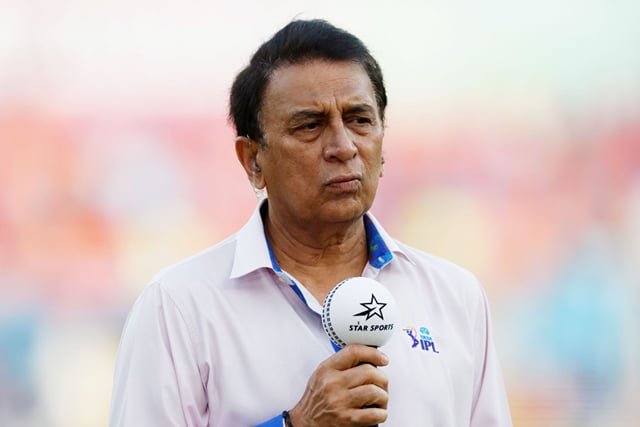
3. Sunil Gavaskar Says India’s Batters Did Their Job
Former India captain and batting legend Sunil Gavaskar directed his criticism towards the bowling performance rather than the batting unit. India reached 249/5 in their allotted 20 overs, giving the hosts a substantial total to defend in a high-scoring contest.
Gavaskar said he had expected India to finish around 235-240 after a couple of relatively quiet overs. The team ultimately scored more than that projected total, leading him to question why the bowling attack could not do enough to secure the win.
“So, clearly, the batters are not to be blamed. I don’t think they fell short. It is quite clear the bowlers did not bowl the way they should have.”
During a discussion on Star Sports, Gavaskar also suggested that the bowling coach should be asked whether the bowlers had executed the plans expected of them.
India’s expensive bowling figures
The scorecard showed the difficulty India experienced in containing the West Indies batting line-up. Left-arm spinner Axar Patel conceded 63 runs in 3.3 overs, while Kuldeep Yadav gave away 53 runs in his four overs. Arshdeep Singh also conceded 45 runs.
These figures illustrated the pressure created by the aggressive West Indies innings. Mayank Yadav’s three wickets provided India with some breakthroughs, but the overall bowling performance could not prevent the visitors from reaching the target.
Gavaskar’s comments raised an important point about evaluating a team’s performance after a defeat. A loss does not automatically mean that every department performed poorly. India’s batting effort was strong enough to post nearly 250, but the bowling unit could not protect the total.
However, a total of 249 does not guarantee victory on every surface. The value of a score depends on the pitch, ground dimensions, weather, opposition strengths and conditions during the chase. The West Indies’ successful pursuit showed that India’s total was not sufficient to prevent the visitors from taking control of the match.
4. Abhinav Mukund Questions Shivam Dube’s Promotion to No. 4
Former India opener Abhinav Mukund examined a different part of India’s performance: the decision to promote Shivam Dube to the No. 4 position. While Mukund acknowledged that India had managed to post a total of 249, he suggested that a slowdown during the middle overs may have cost the team valuable runs.
In a video shared on his Instagram account, Mukund explained that the toss was an important factor at the Ranchi venue. India knew they needed to make the most of their batting opportunity and attempted to build a total that would challenge the opposition.
“But that little slowdown in the middle probably hurt India. Shivam Dube slowed down in the middle, and it was an experiment.”
What happened during Dube’s innings?
Dube was dismissed for seven runs off 10 deliveries after being bowled by Roston Chase. Chase finished with figures of 3/24 from four overs, making an important contribution to the West Indies bowling effort.
Promoting a batter in the order can be a strategic decision designed to match a particular player against specific bowling options or to strengthen a team’s scoring plans. However, such experiments do not always produce the desired result. The outcome depends on the batter’s role, the match situation and the bowlers operating at that time.
Mukund’s criticism centred on whether the change helped India maintain the scoring momentum they needed. In a match where the opposition ultimately chased 250, every quiet over can attract greater attention during the post-match assessment.
That does not necessarily mean Dube’s promotion alone determined the result. India still scored 249/5, and the West Indies completed the chase with 1.3 overs remaining. The bowling performance was also a major factor in the outcome.
Nevertheless, Mukund’s remarks underline the importance of assessing batting-order experiments carefully. Teams must consider not only the total they achieve but also how effectively their batting order responds to changing match conditions.
5. Varun Aaron Questions Shreyas Iyer’s Bowling Changes
Former India fast bowler Varun Aaron questioned captain Shreyas Iyer’s tactical decisions during the West Indies chase. His main criticism concerned the decision to introduce Axar Patel after Mayank Yadav had made important breakthroughs.
Aaron argued that India should have continued using pace during the early part of the innings rather than bringing Axar into the attack at that point. In his assessment, the West Indies middle-order batters were still vulnerable against the new ball, and India had an opportunity to maintain pressure.
“Giving Axar Patel that fourth over in the powerplay was absolutely unnecessary.”
Aaron further argued that India should have used four overs of pace at the start of the innings. He felt the decision to turn to Axar disrupted an opportunity to exploit the pressure created by Mayank’s wickets.
Axar Patel’s expensive spell
Axar struggled to contain the West Indies batters, conceding 16 runs in his first over and 23 in his second. He also bowled the 19th over of the innings, during which Hope hit two sixes to help seal the result.
Aaron’s criticism focused on the timing of the bowling change and the possible impact it had on the momentum of the chase. In T20 cricket, captains must decide when to use pace, spin and their best death-over options. Such choices can become especially significant when the opposition is scoring rapidly.
However, bowling changes are made in response to several factors, including match-ups, pitch conditions, the batter at the crease and the availability of bowlers. The outcome of an individual over can influence how a decision is judged after the match, but it does not necessarily establish that one tactical choice alone caused the defeat.
Aaron’s comments nevertheless placed captaincy decisions among the major talking points after the Ranchi match. With the series now level, India’s tactical approach will remain under scrutiny as the team looks to respond in the next T20I.
Why India’s Defeat to West Indies Was Significant
The Ranchi result was notable because India had already crossed the 240-run mark and appeared to have built a total capable of creating a challenging chase. Instead, the West Indies reached 252/4 in just 18.3 overs, demonstrating the impact of sustained attacking batting in modern T20 cricket.
Shai Hope’s unbeaten 102 off 45 balls was central to the successful chase, while Sherfane Rutherford’s 84 off 37 deliveries gave the innings additional momentum. Their performances meant that India could not rely on the size of the target alone to secure victory.
For India, the defeat exposed several areas that could be reviewed before the next match:
- Bowling execution: Maintaining consistent line and length will be important when defending large totals.
- Middle-overs control: India need ways to limit scoring without allowing batters to dominate spin or pace options.
- Bowling combinations: The absence of key players makes the contributions of the available bowlers even more significant.
- Captaincy and match-ups: Bowling changes must account for the strengths and weaknesses of the batters at the crease.
- Batting-order decisions: Experiments should be assessed according to the role a batter is expected to fulfil and the situation in which they enter.
These areas reflect the different concerns raised by the five experts. Ashwin emphasised long-term bowling development, Chahal focused on execution, Gavaskar questioned the bowling unit’s performance, Mukund discussed the batting order, and Aaron examined the captain’s tactical decisions.
What India’s Team Management Could Review Before the Third T20I
India’s immediate challenge will be to identify why the bowling attack could not defend 249 runs and determine which adjustments are most likely to improve the team’s performance. The defeat does not automatically require sweeping changes, but it provides clear areas for review.
One priority will be examining the deliveries that allowed Hope and Rutherford to score freely. Reviewing bowling lengths, field placements and scoring patterns could help the team identify whether the main issue was execution, tactical planning or a combination of both.
India may also need to consider how the available bowling resources should be distributed across the innings. The absence of Bumrah and Hardik Pandya has affected the options available during the series, increasing the importance of clear roles for the remaining bowlers.
At the same time, the batting order will remain a subject of discussion following Mukund’s comments about Dube’s promotion. The team management will need to evaluate whether its experiments are helping players perform their intended roles without disrupting the innings’ momentum.
Ultimately, the next match will provide India with an opportunity to respond. With the series tied at 1-1, the third T20I becomes an important contest for both sides as they seek to take the lead in the five-match series.
Conclusion
India’s six-wicket defeat to the West Indies in Ranchi triggered criticism from five prominent cricket voices, each highlighting a different aspect of the performance. Ravichandran Ashwin questioned the development of India’s bowling resources, Yuzvendra Chahal pointed to inconsistent lengths, and Sunil Gavaskar argued that the batters had produced a competitive total.
Abhinav Mukund raised concerns about Shivam Dube’s promotion to No. 4, while Varun Aaron questioned the timing of captain Shreyas Iyer’s bowling changes. Together, their assessments highlighted the challenges India faced while trying to defend 249 runs against an aggressive opposition.
The West Indies’ successful chase, led by Hope and Rutherford, demonstrated that a high total is only one part of winning a T20 match. India will now look to address its bowling and tactical concerns as the series moves to the third T20I, with the scoreline level at 1-1.
“`
For breaking news and live news updates, like us on Facebook or follow us on Twitter and Instagram. Read more on Latest Cricket on thefoxdaily.com.






COMMENTS 0