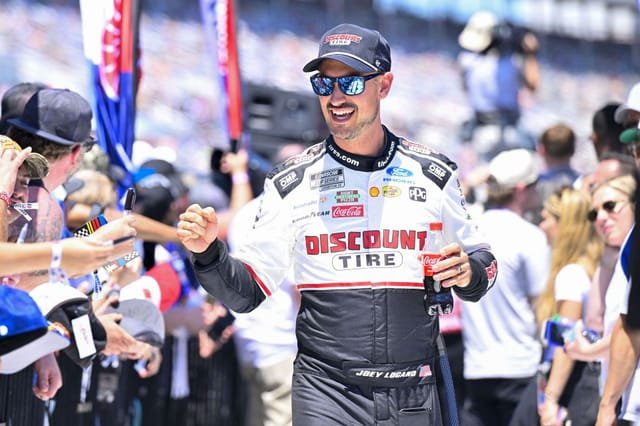
Joey Logano NASCAR short-track bumper rule change has become one of the biggest technical talking points in the 2026 Cup Series season after NASCAR approved a major adjustment aimed at changing how drivers battle at slower tracks. The Team Penske veteran, who had repeatedly pushed for changes, welcomed the decision and believes the update could bring short-track racing closer to the competitive style fans have historically enjoyed.
The rule change, approved on June 25, removes the energy-absorbing bumper foam from the front of Cup Series cars at selected short tracks, including North Wilkesboro Speedway, Richmond Raceway, Bristol Motor Speedway and Martinsville Speedway. The move comes after drivers raised concerns that the previous setup allowed aggressive contact without enough consequences.
For years, short-track racing in NASCAR has been built around physical competition, tight battles and strategic contact. However, Joey Logano and other drivers argued that the Next Gen car’s bumper design changed the nature of those encounters by making it easier to hit another car without causing significant damage.
Why NASCAR Changed the Short-Track Bumper Package
The NASCAR Next Gen car was introduced with the goal of improving competition, reducing costs and creating closer racing between teams. While the car achieved many of those goals, short-track performance created a unique challenge.
At high-speed tracks, stronger bumper protection serves an important purpose. It helps absorb impact forces during crashes and contributes to driver safety. However, short tracks operate differently. Speeds are lower, corners are tighter and drivers often rely on precision, patience and controlled aggression to make passes.
The previous bumper design allowed cars to absorb heavy contact without major damage. According to drivers like Logano, this reduced the risk associated with bumping another competitor and encouraged more aggressive moves.
“I’m glad they looked at it and did something. The drivers brought that up,” Joey Logano said while discussing NASCAR’s decision.
The new approach attempts to restore a level of consequence. Drivers may still race aggressively, but contact could now carry a greater mechanical penalty, making every move more calculated.
Joey Logano’s Push for Change and His Racing Philosophy
Joey Logano has never been a driver who avoids hard racing. Known for his aggressive but calculated style, the three-time NASCAR Cup champion has built his career around understanding when to attack and when to protect his equipment.
His argument was not against physical racing. Instead, Logano wanted a better balance between traditional short-track battles and modern safety standards.
He explained that a strong bumper system makes sense during major incidents at high-speed venues, but short tracks require a different solution because the racing environment is completely different.
The veteran driver believes the adjustment could make short-track racing feel closer to previous NASCAR eras, where drivers had to think carefully before using the bumper as a passing tool.
NASCAR Short-Track Racing: Tradition vs Modern Technology
Short-track racing has always been one of NASCAR’s defining features. Tracks like Martinsville and Bristol have produced legendary moments because drivers race inches apart and every decision matters.
However, modern NASCAR technology has changed how cars react to contact. Engineers constantly work to improve safety, durability and performance, but those improvements can sometimes affect the racing style fans associate with the sport.
| Aspect | Previous Setup | New Short-Track Rule |
|---|---|---|
| Bumper Design | Energy-absorbing foam remained in place | Front bumper foam removed at selected short tracks |
| Driver Strategy | More aggressive contact with fewer consequences | Drivers may need more precision before making contact |
| Racing Style | Higher chance of bumper-to-bumper battles without major damage | Potential return to more traditional short-track competition |
| Main Goal | Durability and impact absorption | Balance between safety and competitive racing |
How the Rule Change Could Impact Future NASCAR Races
The biggest question is whether the new bumper package will actually change driver behavior. NASCAR races are influenced by many factors, including tire wear, car setup, track conditions and championship pressure.
However, this change could create a psychological difference. When drivers know contact can damage their car, they may become more strategic during battles. A move that previously seemed low-risk could become a decision that affects the entire race.
This could benefit drivers who are skilled at managing close racing rather than relying only on aggressive moves.
Joey Logano’s 2026 Playoff Challenge: Confidence Despite Pressure
While Logano is celebrating the technical change, he is also facing a major challenge on the track. With the 2026 NASCAR Cup Series regular season approaching its final stages, the veteran driver is fighting to secure a playoff position.
Logano entered the late-season stretch outside the provisional playoff field, sitting 18th with limited races remaining before the cutoff. A victory would provide a major boost and could immediately improve his championship position.
Despite the pressure, Logano remains confident because of his experience and past success.
“We know how to win. We just have to find a new way of doing it and figure out how to get there,” Logano said.
That confidence reflects a key difference between experienced champions and struggling teams. A driver who understands how to win often focuses less on panic and more on finding the missing piece.
Why This Matters for the NASCAR Cup Series
The bumper rule change represents a larger conversation within NASCAR: how can the sport preserve its identity while continuing to evolve?
Modern racing requires advanced safety technology, but fans also expect the intensity and unpredictability that made NASCAR popular for generations.
The challenge for NASCAR is finding the right balance. Too much protection can reduce the importance of driver skill, while too little protection can create unnecessary risks.
Comparison: NASCAR’s Approach to Short-Track Racing Changes
Unlike some racing series that prioritize completely clean racing, NASCAR has historically embraced controlled aggression. The sport’s identity includes bumping, pushing and physical battles, especially at short tracks.
The new rule does not remove contact from racing. Instead, it attempts to make contact meaningful again.
- Formula-style racing: Usually focuses on avoiding contact and maximizing aerodynamic performance.
- NASCAR short-track racing: Allows physical battles but requires drivers to manage consequences.
- New bumper rule goal: Preserve aggression while preventing effortless contact.
Expert Insight: Could This Bring Back Classic Short-Track Battles?
The success of this rule will depend on how cars perform during actual races. If the change creates more strategic racing without increasing unnecessary damage, it could become an important step in NASCAR’s ongoing development.
The interesting factor is that NASCAR is not simply changing a car part. It is adjusting the relationship between risk and reward.
When every bump has a possible consequence, drivers must rely more on timing, patience and race craft. That could create the type of dramatic finishes that short-track racing is famous for.
Future Outlook for Joey Logano and NASCAR
For Joey Logano, the bumper adjustment is a victory in one battle, but the bigger challenge remains on the championship track. He needs strong performances, smart strategy and possibly a race win to secure his playoff future.
For NASCAR, the rule change will be closely watched by drivers, teams and fans. If successful, it could influence future decisions about how the sport balances safety, technology and entertainment.
Conclusion
Joey Logano NASCAR short-track bumper rule change highlights a major shift in how NASCAR approaches competitive racing. The decision to remove bumper foam at selected short tracks shows that the sport is willing to adjust when drivers identify problems with the racing product.
The update could create more meaningful battles, bring strategy back into short-track contact and improve the overall racing experience. As Joey Logano continues his push toward playoff contention, NASCAR’s latest technical move could become one of the most important developments of the 2026 season.
For breaking news and live news updates, like us on Facebook or follow us on Twitter and Instagram. Read more on Latest Sports on thefoxdaily.com.






COMMENTS 0