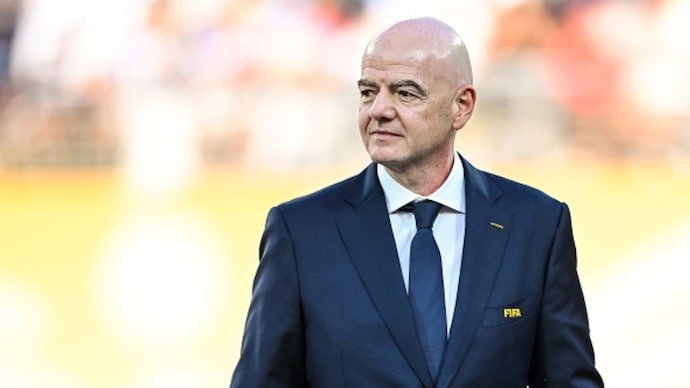
World Football has been thrust into fresh controversy after Jordan Football Association president Ali bin Al Hussein accused FIFA of “blackmail”, alleging that support for FIFA president Gianni Infantino was informally linked to assistance for Jordanian football. The explosive allegations arrive at a time when FIFA is already facing increased criticism over governance, financial transparency and decision-making, making the dispute one of the most significant political developments in international football this year.
Ali’s public statement goes beyond a disagreement between a member association and FIFA. It raises broader questions about accountability within football’s governing structures, the relationship between FIFA leadership and national federations, and how global football institutions maintain trust among their members.
While FIFA has built its reputation as the world’s most influential sporting organization, controversies surrounding governance have repeatedly placed its leadership under the spotlight. The latest dispute involving Jordan adds another layer to an already challenging period for the organization.
What Triggered the Latest FIFA Controversy?
The controversy began after Ali bin Al Hussein alleged that FIFA representatives indicated his federation would receive greater support if he publicly endorsed Gianni Infantino’s leadership.
According to the Jordan FA president, the conversation occurred during the recent FIFA World Cup and followed repeated requests from Jordan for assistance on several football-related matters.
Ali stated that Jordan declined to provide any public endorsement, insisting that sporting governance should never depend on political loyalty or personal support for individual administrators.
The allegation has sparked widespread discussion because it questions whether football development decisions are being influenced by political considerations rather than objective governance processes.
Jordan’s Main Complaints Against FIFA
Beyond the allegation of political pressure, the Jordan Football Association highlighted several practical issues that it believes have affected the country’s football program.
| Issue Raised | Jordan FA’s Concern |
|---|---|
| Support from FIFA | Requests for assistance allegedly received limited response. |
| World Cup Travel | Supporters reportedly faced visa difficulties. |
| Ticket Prices | Fans allegedly paid unusually high prices. |
| Tax Burden | Participation reportedly resulted in significant tax obligations. |
| Prize Money | Jordan claims Arab Cup payments remain delayed. |
Together, these concerns form the basis of Jordan’s broader criticism regarding FIFA’s handling of member associations.
Why the Alleged ‘Blackmail’ Claim Matters
The use of the word “blackmail” has dramatically elevated the seriousness of the dispute.
If football associations believe administrative support depends on political alignment rather than established regulations, confidence in international governance structures could be undermined.
Equally important, allegations of this nature inevitably attract attention because FIFA oversees global competitions, development funding and regulatory frameworks affecting hundreds of national football associations.
Although the claims remain allegations, their public nature places considerable pressure on football’s governing body to maintain transparency.
Gianni Infantino Faces Growing Scrutiny
The latest criticism comes during an already sensitive period for FIFA President Gianni Infantino.
Recent debates surrounding FIFA’s commercial strategy have generated differing opinions among member associations, particularly after proposals involving outside investment in FIFA’s commercial operations encountered resistance.
Those discussions have prompted broader conversations about governance, financial management and how major strategic decisions are communicated to national federations.
The Jordan FA’s statement therefore adds to an expanding list of governance-related questions rather than emerging in isolation.
Understanding FIFA’s Governance Structure
FIFA operates as football’s global governing body, representing more than 200 national member associations across every continent.
Its responsibilities extend well beyond organising the FIFA World Cup.
- Managing international football regulations.
- Supporting football development worldwide.
- Distributing tournament revenues.
- Overseeing international competitions.
- Working with continental confederations.
- Promoting grassroots football.
Because of this enormous influence, governance issues often receive intense international attention.
Jordan’s Historic Rise Makes the Dispute More Significant
The disagreement arrives shortly after one of the greatest achievements in Jordanian football history.
The national team’s recent rise has generated unprecedented enthusiasm among supporters while increasing expectations surrounding international participation and football development.
Consequently, concerns regarding tournament logistics, financial matters and administrative support carry greater importance than they might during ordinary circumstances.
Growing football nations often rely heavily on effective cooperation with international governing bodies as they expand their competitive ambitions.
Financial Transparency Remains Central to Modern Sports Governance
Modern international sport increasingly demands clear financial accountability.
National associations expect transparency regarding development funding, tournament revenues and prize-money distribution, particularly as global football generates record commercial income.
Questions concerning payment timelines or financial administration therefore attract immediate attention from member associations and supporters alike.
Strong governance practices have become just as important as sporting success in maintaining institutional credibility.
How Governance Disputes Can Affect Football
Administrative disagreements rarely remain confined to boardrooms.
They can influence relationships between governing bodies and member associations while affecting long-term planning, funding discussions and collaborative development projects.
For players and supporters, such disputes may appear distant from events on the pitch, but governance decisions ultimately shape investment, infrastructure and football development programs worldwide.
Comparison: Sporting Success vs Administrative Challenges
| Sporting Achievement | Administrative Challenge |
|---|---|
| Historic progress for Jordanian football | Concerns regarding institutional support |
| Greater international visibility | Questions over governance processes |
| Growing supporter interest | Disputes surrounding financial and operational issues |
This contrast illustrates how success on the field does not necessarily eliminate challenges away from it.
Why the Timing Is Important
The allegations emerge as international football increasingly focuses on future leadership and governance priorities.
Major governing bodies typically experience greater scrutiny during periods preceding leadership elections or significant structural reforms, as member associations evaluate both performance and long-term vision.
Public criticism from respected football administrators therefore carries additional weight during such periods.
The Broader Debate Around Football Governance
The Jordan FA’s statement also highlights a wider conversation taking place across global sport.
Supporters, administrators and athletes increasingly expect governing organizations to demonstrate openness, consistency and accountability in decision-making.
Advances in communication and greater public access to institutional discussions have significantly increased expectations regarding transparency compared with previous decades.
As football continues expanding commercially, governance standards are likely to remain under constant examination.
Potential Implications for FIFA
Although one member association’s criticism does not determine institutional policy, public disputes can influence wider discussions among football stakeholders.
- Greater calls for transparency.
- Closer examination of governance processes.
- Increased scrutiny of financial administration.
- Renewed focus on relationships with member associations.
- More attention ahead of future leadership decisions.
How FIFA addresses such concerns may shape confidence among its global membership in the years ahead.
What Happens Next?
Attention will now focus on whether further discussions take place between FIFA and the Jordan Football Association.
Observers will also watch closely to see whether additional member associations publicly raise similar concerns or whether the issue remains an isolated dispute.
Regardless of future developments, the controversy has already intensified debate surrounding governance, transparency and accountability within world football.
Conclusion
Ali bin Al Hussein’s accusation that FIFA attempted to link institutional support with political endorsement has introduced another significant governance debate into international football. Alongside concerns regarding financial matters, tournament logistics and administrative support, the allegations have added further scrutiny to FIFA President Gianni Infantino during an important period for the organization’s leadership.
While the claims are serious and continue to generate discussion, they also underline a broader reality facing modern sport: success on the pitch must increasingly be matched by transparent, accountable and trusted governance away from it. As football continues to grow globally, maintaining confidence among member associations will remain just as important as organizing the world’s biggest tournaments.
For breaking news and live news updates, like us on Facebook or follow us on Twitter and Instagram. Read more on Latest Football on thefoxdaily.com.






COMMENTS 0