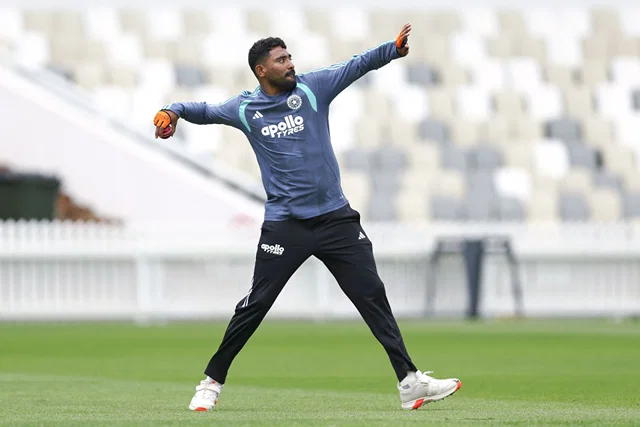
India’s decision to leave Mohammed Siraj out of the playing XI for the first Test against New Zealand in Wellington has sparked considerable debate among former cricketers and fans. However, legendary Indian captain Kapil Dev has made it clear that he does not believe former players should interfere in selection decisions, insisting that the responsibility belongs to the selectors and team management.
Kapil Dev acknowledged that he personally likes Siraj but stressed that individual preferences should not influence decisions made by those responsible for managing the national team. His comments came amid criticism from several former Indian cricketers, including Sunil Gavaskar and Ravi Shastri, who questioned Siraj’s omission from the opening Test.
Speaking on the sidelines of the 16th Global Summit on Business of Sports, organised by FICCI in New Delhi, the 1983 World Cup-winning captain shared his perspective on the selection controversy. Rather than criticising the decision, Kapil emphasised the importance of allowing the cricketing authorities to make their own assessments.
Kapil Dev Shares His Views on Mohammed Siraj’s Exclusion
Mohammed Siraj’s absence from India’s playing XI became one of the major talking points ahead of the first Test against New Zealand at the Basin Reserve in Wellington. The decision surprised several observers, particularly given the fast bowler’s experience and contributions to Indian Cricket.
Kapil Dev was asked about the selection decision and whether he agreed with Siraj being left out. The former India captain said that while he personally likes the pacer, his preference should not carry any weight in the selection process.
“I would say, to me, I like him. Your liking and disliking — maybe other people say he doesn’t deserve it. The selectors who have to pick, the captain has to pick, and the manager has to pick. Our liking and disliking should not matter. It’s a matter of how the organisation (BCCI) is planning.”
Kapil’s response highlighted his belief that national team selection should be determined by the people entrusted with that responsibility. He suggested that decisions must be made according to the team’s plans and requirements rather than the personal opinions of former players or outside observers.
His remarks also reflected the wider debate surrounding Siraj’s non-selection. While some former cricketers questioned the decision, Kapil maintained that the selectors and team management were better placed to explain the reasoning behind their choices.
“People Like Us Should Not Comment”: Kapil Responds to Siraj’s Omission
When asked more directly about Siraj’s exclusion, Kapil refused to offer a detailed assessment of the selection decision. Instead, he pointed reporters towards the selectors and team management, arguing that they should be the ones answering questions about the composition of the playing XI.
The legendary all-rounder also stated that former cricketers should not make unnecessary comments about decisions taken by the current administration. He expressed confidence in the people responsible for managing Indian cricket and acknowledged that no selection decision could satisfy everyone.
“Ask the selectors. Ask the selectors — I am nobody. Look, people like us should not comment. The group of people who have that responsibility should answer. I think they are doing a great job. We can’t make everybody happy.”
The statement offered a different perspective from the criticism directed at India’s selection panel. Rather than joining the debate, Kapil chose to defend the authority of the people responsible for picking the team and suggested that they should be held accountable for their decisions.
His comments do not necessarily indicate that every selection decision should go unquestioned. Instead, they underline his view that the selectors and team management should explain their choices because they carry the responsibility for the team’s performance.
Akash Deep and Anshul Kamboj Selected Ahead of Mohammed Siraj
For the opening Test against New Zealand in Wellington, India selected Akash Deep and Anshul Kamboj ahead of Mohammed Siraj. The decision attracted attention because it meant that an experienced international fast bowler was left out of the starting combination.
Both selected pacers made contributions during New Zealand’s first innings. Akash Deep claimed three wickets, while Anshul Kamboj picked up two, helping India bowl out the hosts for 368 runs.
Their performances provided an early response on the field, although the selection debate remained a major talking point. The contributions of the two bowlers also demonstrated that the Indian team management had chosen to go with a different combination for the Wellington conditions.
Siraj’s exclusion nevertheless continued to attract discussion, particularly among those who believed his experience should have earned him a place in the playing XI. The contrasting views from former cricketers showed how selection decisions can generate debate even before a Test match reaches its later stages.
Kapil Dev Refuses to Criticise Gautam Gambhir’s Coaching Tenure
Kapil Dev was also asked about India head coach Gautam Gambhir, who has faced criticism during his tenure over several selection decisions and other team-related matters.
Gambhir’s approach to team selection has generated differing opinions among former players and cricket followers. However, Kapil again avoided taking a critical position, arguing that assessments of the head coach’s work would naturally vary depending on individual perspectives.
The former India captain suggested that people should avoid judging the entire system based on disagreements over particular decisions. He also pointed out that the overall progress of Indian cricket should remain the priority.
“I think, again, that’s your opinion; other people will say he’s doing a great job. Let’s not do that. You can’t criticize a system; the system is built like that. And let’s say Indian cricket is doing good — that’s more important.”
Kapil’s remarks reflected his reluctance to single out Gambhir for criticism. He acknowledged that opinions about the coach’s performance could differ but maintained that the broader functioning of Indian cricket was more important than individual disagreements.
His comments also aligned with his earlier response about Siraj’s exclusion. In both cases, Kapil emphasised the importance of respecting the responsibilities of the people currently managing the national team rather than allowing outside opinions to dominate selection discussions.
India Reach 159-1 at Stumps on Day 2 Against New Zealand
While the selection controversy continued to attract attention away from the field, India made a positive start to their first innings after bowling New Zealand out for 368 in Wellington.
India reached 159-1 at stumps on Day 2, putting themselves in a promising position in response to the hosts’ first-innings total. Yashasvi Jaiswal provided an aggressive start before being dismissed for 85 runs off 89 deliveries.
KL Rahul remained unbeaten on 52 off 116 balls at the close of play, giving India an important presence at the crease heading into the next day’s action.
Jaiswal’s innings helped India build momentum, while Rahul’s unbeaten half-century provided stability. With nine wickets remaining at stumps, India had an opportunity to continue building their total and reduce New Zealand’s first-innings advantage.
Selection Debate Continues as India Focus on the Test
Mohammed Siraj’s omission highlighted the difficult decisions involved in selecting an international playing XI. With several capable fast bowlers competing for places, the team management must balance experience, current form and the requirements of particular conditions.
Kapil Dev’s comments added another dimension to the discussion by questioning the role former players should have in publicly debating selection decisions. While his personal preference for Siraj was clear, he maintained that the final decision belonged to the selectors, captain and team management.
He also extended the same approach to Gautam Gambhir, choosing not to criticise the head coach and instead emphasising the importance of Indian cricket’s overall progress.
As the Wellington Test continued, India’s immediate focus remained on building a strong first-innings total. Meanwhile, the debate surrounding Siraj’s exclusion was likely to remain a talking point among supporters and cricket experts, with the team management’s selection choices continuing to attract scrutiny.
For breaking news and live news updates, like us on Facebook or follow us on Twitter and Instagram. Read more on Latest Cricket on thefoxdaily.com.






COMMENTS 0