- A Clear Blueprint Against Elite Teams
- Iceland Expose a Persistent Weakness
- Defensive Depth Emerging at the Right Time
- Four Wins from Four: Progress With Caveats
- Hannah Hampton: England’s Undisputed No. 1
- Alessia Russo’s Evolution Into a Complete Forward
- A Tactical Insight: England’s Identity Is Still Forming
- What England Must Improve Before Major Tournaments
- Future Outlook: On Track, But Not Finished
- Conclusion: Progress Defined by Balance, Not Perfection
England’s Lionesses are building momentum in their World Cup qualifying campaign, but recent performances reveal a team still evolving. While victories over top-tier opponents highlight a clear tactical blueprint, narrow wins against disciplined sides like Iceland expose lingering weaknesses.
At the heart of this mixed but promising phase are standout performers such as Hannah Hampton and Alessia Russo, whose individual brilliance continues to mask and sometimes solve team-wide challenges.
A Clear Blueprint Against Elite Teams
England’s performance against world champions Spain offered more than just a statement win it reinforced a tactical identity that works at the highest level.
The approach was calculated rather than dominant:
- Allowing controlled possession to the opposition
- Forcing play into central, less dangerous areas
- Exploiting width through pace and creativity
- Striking quickly on the counterattack
This disciplined structure reflects a mature side comfortable without the ball an evolution from earlier iterations of the team that relied more heavily on possession.
However, even in success, there were warning signs. England struggled to maintain control after taking the lead, suggesting that game management remains a work in progress.
Iceland Expose a Persistent Weakness
If Spain showcased England’s strengths, Iceland exposed their vulnerabilities.
Facing a compact, physical, and highly organised defensive setup, England found it difficult to impose their usual rhythm. The match became scrappy, fragmented, and far removed from the fluid attacking Football seen against elite opposition.
This is not a new issue. Historically, England have occasionally struggled against teams that:
- Defend deep with discipline
- Prioritize physical duels
- Limit space in wide areas
The narrow win secured valuable points, but it also highlighted a crucial gap: England are more comfortable reacting than dictating against lower-block teams.
Defensive Depth Emerging at the Right Time
Injuries often disrupt teams but they can also create opportunities. England’s defensive reshuffle has revealed encouraging depth.
Lotte Wubben-Moy has stepped up with composed performances, demonstrating not just reliability but Leadership qualities. Her ability to read the game and contribute in build-up play adds a new dimension to England’s defensive options.
Similarly, Esme Morgan’s development has accelerated, offering versatility and composure. With positional adjustments across the backline, competition for starting spots is intensifying exactly what elite teams need.
This growing depth could prove vital in a long qualifying campaign where rotation and resilience are key.
Four Wins from Four: Progress With Caveats
On paper, England’s qualifying record is flawless four wins from four. But the story behind the numbers is more nuanced.
| Aspect | Performance Insight |
|---|---|
| Results | Perfect record maintains qualification momentum |
| Consistency | Mixed performances across matches |
| Against Top Teams | Strong tactical execution |
| Against Lower Blocks | Struggles to break defensive setups |
In previous campaigns, dropped points against lower-ranked teams proved costly. This time, England are finding ways to win even when not at their best. That alone marks significant progress.
Hannah Hampton: England’s Undisputed No. 1
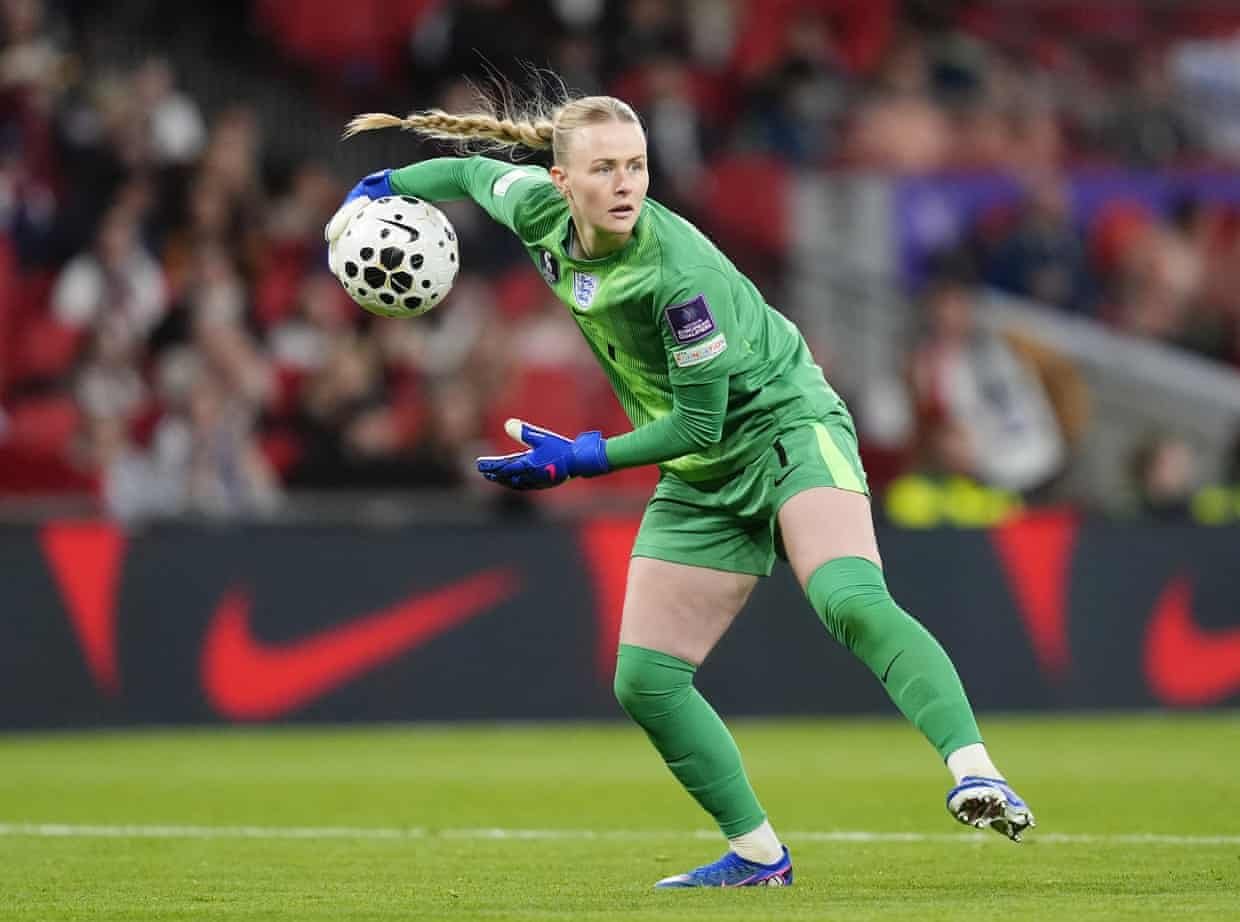
One of the most decisive factors in England’s recent success has been the form of goalkeeper Hannah Hampton.
In tight matches, where margins are razor-thin, her contributions have been game-defining. Key saves in both qualifiers preserved narrow leads and ensured maximum points.
Her performances underline a broader truth in modern football: elite teams are built not just on attacking flair, but on defensive assurance.
However, her consistency creates a selection dilemma. With limited opportunities for rotation, backup goalkeepers face reduced chances to gain experience an issue that could become significant in long tournaments.
Alessia Russo’s Evolution Into a Complete Forward
Alessia Russo is no longer just a reliable striker she is becoming a complete attacking force.
Her recent performances highlight a player operating with confidence, intelligence, and versatility:
- Creative link-up play between midfield and attack
- Clinical finishing under pressure
- Relentless off-the-ball movement
- Ability to adapt across multiple attacking roles
Whether deployed as a traditional No. 9 or in a deeper role, Russo continues to influence games in multiple ways. Her assist against Spain and goal against Iceland are examples of technical quality combined with determination.
This evolution gives England tactical flexibility an asset that could prove निर्णायक in major tournaments.
A Tactical Insight: England’s Identity Is Still Forming
One of the most interesting takeaways from these qualifiers is that England are still defining their tactical identity.
They currently operate between two styles:
- Reactive football: Effective against top teams (e.g., Spain)
- Proactive football: Less effective against defensive setups (e.g., Iceland)
The challenge moving forward is not choosing one over the other but mastering both.
The best teams in the world can adapt seamlessly depending on the opponent. England are close but not quite there yet.
What England Must Improve Before Major Tournaments
To transition from contenders to consistent champions, the Lionesses need to address a few key areas:
- Breaking Low Blocks: More creativity and movement in tight spaces
- Game Management: Better control after taking the lead
- Squad Rotation: Building depth without losing cohesion
- Physical Adaptability: Handling aggressive, high-contact matches
These are not weaknesses but refinements required at the highest level.
Future Outlook: On Track, But Not Finished
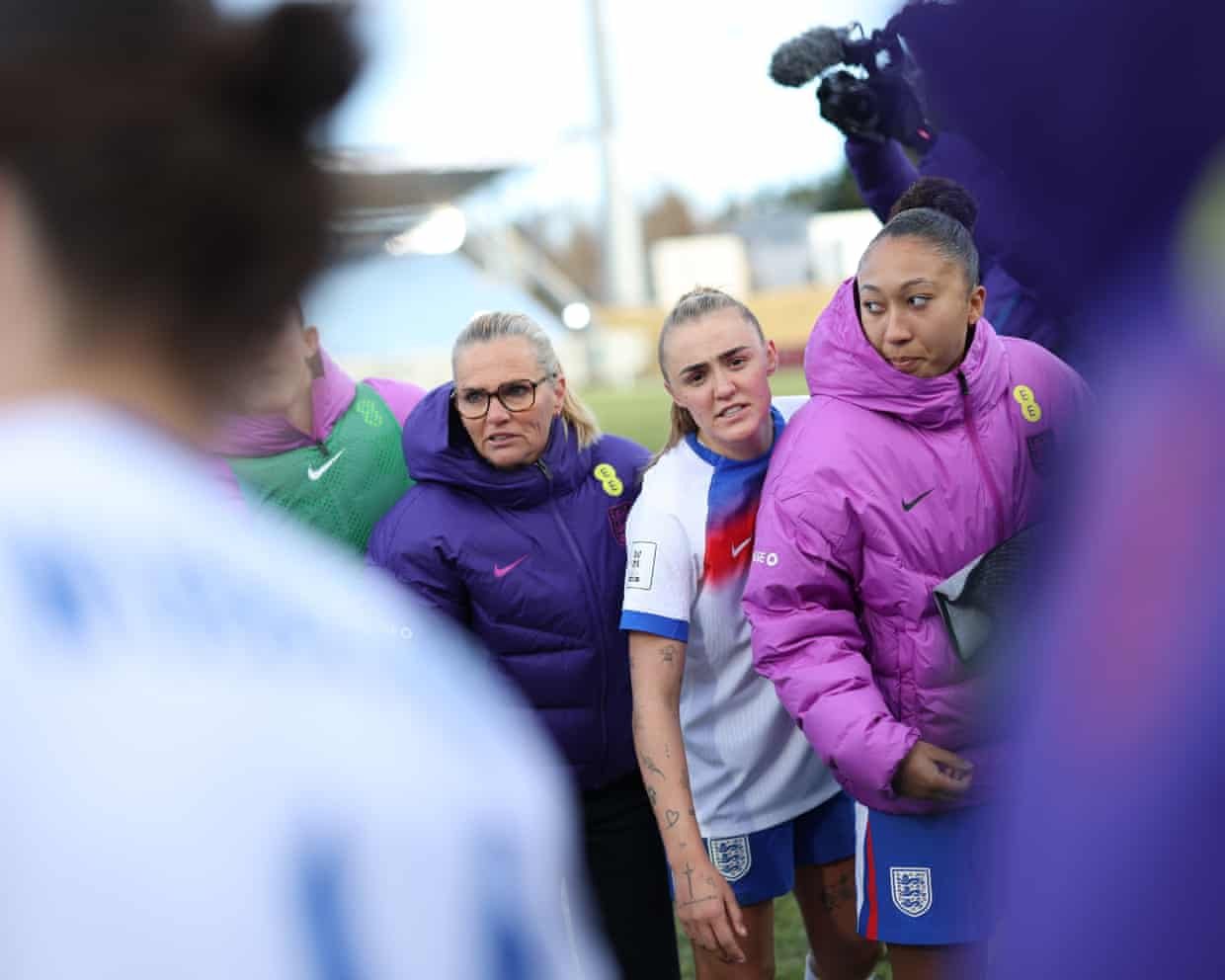
England’s trajectory is positive. The combination of tactical discipline, emerging depth, and individual brilliance suggests a team on the right path.
Short-Term: Maintain winning momentum and secure direct qualification
Medium-Term: Develop solutions against defensive teams
Long-Term: Build a balanced, adaptable system capable of dominating any opponent
The foundation is strong but the structure is still being refined.
Conclusion: Progress Defined by Balance, Not Perfection
The Lionesses’ recent performances tell a story of progress not perfection.
They have a winning blueprint against the world’s best and players like Hannah Hampton and Alessia Russo WHO can deliver in crucial moments. But to truly dominate, they must learn to impose themselves against every type of opponent.
In elite football, it’s not enough to beat the best you must also consistently overcome the most stubborn.
England are getting there. The question is how quickly they can complete the evolution.
For breaking news and live news updates, like us on Facebook or follow us on Twitter and Instagram. Read more on Latest Sports on thefoxdaily.com.






COMMENTS 0