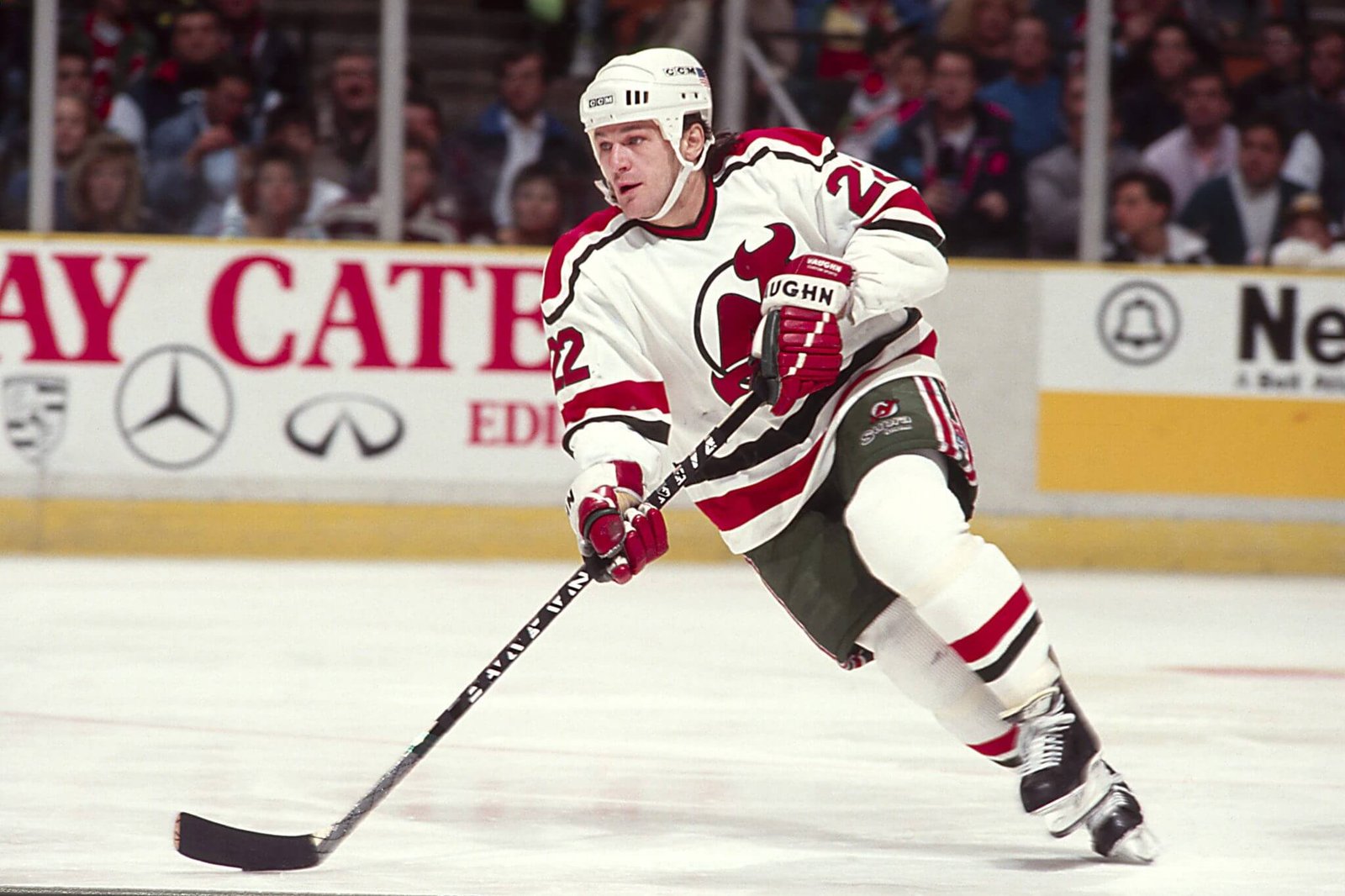
The hockey world is mourning the death of former NHL star Claude Lemieux, one of the most controversial yet successful playoff players in modern hockey History.
Lemieux, WHO reportedly passed away at the age of 60, leaves behind a legacy unlike almost any other player the National Hockey League has seen. To some fans, he was the ultimate villain an agitator who thrived on chaos, confrontation and Controversy. To others, he was the embodiment of playoff hockey itself: fearless, relentless and ruthlessly effective when championships were on the line.
Few players in NHL history generated as much emotion.
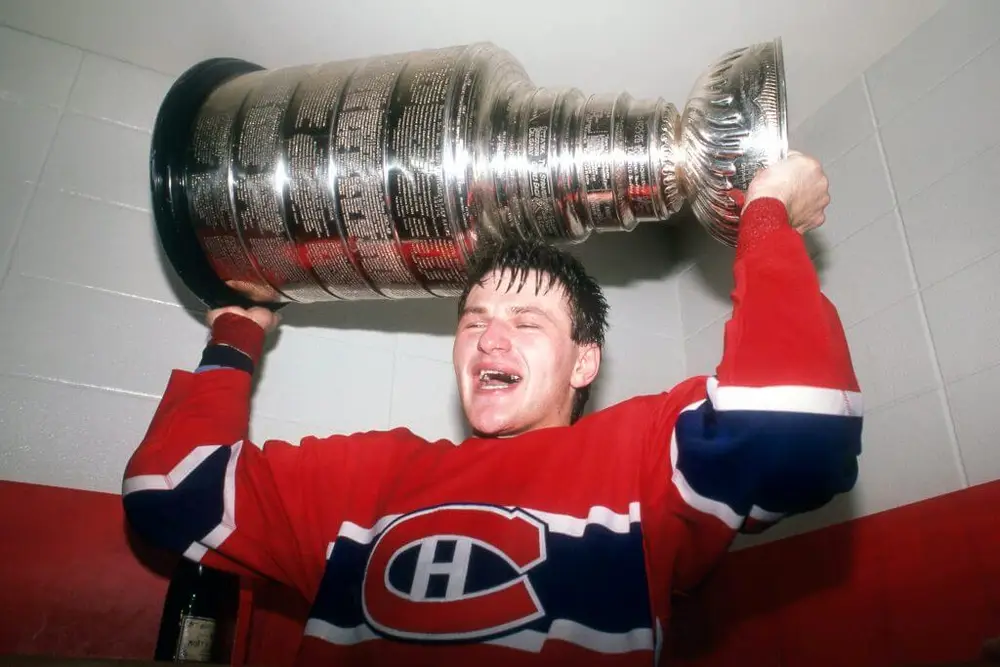
Even fewer backed it up with four Stanley Cups.
His death has triggered an outpouring of tributes across the hockey community, not only because of his achievements on the ice, but because teammates and rivals alike insist the public never fully understood the man behind the reputation.
Claude Lemieux was hockey’s ultimate contradiction.
The Numbers That Define Claude Lemieux’s NHL Career
Long before advanced analytics transformed hockey conversations, Claude Lemieux built a reputation through moments that mattered most.
His regular-season statistics were strong but not necessarily legendary.
His playoff record, however, places him among the greatest postseason performers in NHL history.
| Career Achievement | Claude Lemieux |
|---|---|
| Stanley Cups | 4 |
| Teams Won With | Montreal Canadiens, New Jersey Devils, Colorado Avalanche |
| Playoff Goals | 80 |
| Conn Smythe Trophy | 1995 |
| Stanley Cup Finals Appearances | 5 |
| NHL Seasons | Over 15 |
Lemieux ranks among the NHL’s all-time playoff goal scorers, a remarkable achievement considering the physical, low-scoring nature of postseason hockey during much of his career.
In an era dominated by defensive systems and brutal checking, Lemieux consistently delivered when pressure peaked.
That is why many former players considered him one of the most dangerous playoff competitors of his generation.
Why Claude Lemieux Became One of Hockey’s Most Hated Players
Claude Lemieux’s legacy cannot be separated from controversy.
For many fans especially in Detroit his name immediately recalls one moment.
In 1996, during a playoff game between the Colorado Avalanche and Detroit Red Wings, Lemieux delivered a devastating hit on Kris Draper.
The collision caused severe facial injuries to Draper and instantly transformed an already competitive matchup into one of the fiercest rivalries in NHL history.
The Red Wings-Avalanche rivalry that followed became legendary.
It featured:
- Mass brawls
- Goalie fights
- Revenge hits
- Violent playoff intensity
- National television attention
Lemieux became the central villain in Detroit sports culture.
Even decades later, the hostility surrounding that moment never fully disappeared.
But reducing his career to one incident oversimplifies one of hockey’s most complex personalities.
The Art of Being Hockey’s Ultimate Agitator
Claude Lemieux mastered a role that modern hockey increasingly struggles to define: the elite agitator.
Unlike enforcers whose main purpose was fighting, Lemieux combined psychological warfare with genuine scoring ability.
He frustrated opponents while also delivering game-winning goals.
That combination made him uniquely dangerous.
He understood something many players never fully grasped:
In playoff hockey, emotional control often matters as much as talent.
Lemieux constantly tried to drag opponents into emotional chaos.
Sometimes it worked brilliantly.
Sometimes it crossed the line.
But it almost always affected games.
Modern NHL fans often celebrate “playoff grit,” yet Lemieux represented an extreme version of that mentality long before the term became trendy in hockey analysis.
Why Claude Lemieux Was Built for the Stanley Cup Playoffs
Some players dominate regular seasons.
Others transform entirely once the playoffs begin.
Claude Lemieux belonged firmly in the second category.
His ability to elevate his game in high-pressure situations became his defining characteristic.
His 1995 playoff run with the New Jersey Devils remains one of the greatest postseason performances of the era.
Lemieux scored clutch goal after clutch goal as the Devils captured their first Stanley Cup in franchise history.
His performances earned him the Conn Smythe Trophy as playoff MVP.
That award permanently changed how hockey historians viewed his career.
He was no longer merely an agitator.
He was a Championship driver.
The Hidden Side of Claude Lemieux Few Fans Saw
One of the most striking elements of the tributes following Lemieux’s death has been how differently teammates described him compared to public perception.
Former NHL players repeatedly painted a picture of someone deeply emotional, loyal and surprisingly sensitive away from the rink.
Brendan Shanahan, who played both with and against Lemieux, once described him as:
“A big crier. A big softie.”
That contrast fascinated many around the league.
The same player who enraged opponents on the ice reportedly became deeply emotional in personal moments.
It reflected a broader truth about professional hockey culture during the 1980s and 1990s.
Players often built intimidating public personas because toughness was central to survival in that era.
Behind those personas, many were far more emotionally complex than fans realised.
Claude Lemieux and the Evolution of NHL Rivalries
Modern NHL rivalries rarely reach the intensity of the Red Wings-Avalanche battles of the late 1990s.
That is partly because hockey itself has changed.
Rule changes, salary cap dynamics and player movement have reduced long-term hatred between teams.
Claude Lemieux belonged to a different NHL era.
An era where grudges lasted years.
An era where playoff series felt genuinely personal.
The NHL also marketed those rivalries heavily because they drove television ratings and fan engagement.
Lemieux became one of the defining faces of that hyper-emotional period in league history.
Love him or hate him, fans watched.
And in sports Entertainment, emotional reaction often matters more than universal admiration.
How Claude Lemieux Helped Shape Winning Cultures
One overlooked aspect of Lemieux’s career is how frequently he contributed to championship-level teams.
Winning four Stanley Cups with three different franchises is extraordinarily difficult.
It suggests something deeper than luck.
Championship teams repeatedly valued what Lemieux brought:
- Postseason composure
- Physical intensity
- Mental toughness
- Clutch scoring
- Competitive edge
Hockey executives often prioritise players who can handle playoff pressure because postseason hockey differs dramatically from the regular season.
Games become tighter.
Space disappears.
Physical punishment increases.
Lemieux thrived in precisely those conditions.
That explains why multiple championship organisations embraced him despite the controversy surrounding his style.
The Transition From NHL Star to Hockey Mentor
After retiring from professional hockey, Lemieux remained deeply connected to the sport.
He transitioned into player representation and mentorship, helping younger Athletes navigate professional hockey careers.
Many former NHL players struggle emotionally after retirement because hockey defines their identity for decades.
Lemieux instead stayed immersed in the game.
His continued visibility within hockey circles reinforced how respected he remained inside the sport, even among people who fiercely competed against him.
Just days before his reported death, he participated in a ceremonial role at the Bell Centre during a playoff game involving the Montreal Canadiens.
For longtime hockey fans, the image now carries heartbreaking symbolism.
The Complexity of Claude Lemieux’s Reputation
Claude Lemieux’s legacy will likely remain divisive forever.
And perhaps that is fitting.
Sports history often sanitises complicated athletes after retirement or death.
But Lemieux’s story is more interesting precisely because it resists simplification.
He was:
- A playoff legend
- A Stanley Cup champion
- A feared competitor
- A controversial agitator
- A respected teammate
- A hated rival
All of those descriptions are simultaneously true.
That complexity is what made him unforgettable.
What Modern Hockey Can Learn From Claude Lemieux
Today’s NHL increasingly emphasises speed, skill and discipline.
The role of the classic agitator has diminished significantly.
Yet Lemieux’s career still offers lessons modern hockey continues to value.
His success demonstrated:
- The importance of mental warfare in playoffs
- The value of clutch performance
- The impact of emotional intensity
- The psychological side of championship hockey
Modern contenders still search desperately for players capable of influencing games emotionally as well as physically.
Very few ever do it as effectively as Claude Lemieux.
Conclusion
Claude Lemieux’s death marks the loss of one of hockey’s most fascinating and polarising champions.
He was never universally loved.
He was never universally respected.
But he was impossible to ignore.
In many ways, he embodied the raw emotional intensity that made 1990s NHL hockey unforgettable.
He infuriated opponents, thrilled teammates and repeatedly delivered in the moments that mattered most.
That combination made him both controversial and historic.
Long after debates over his style continue, one fact remains undeniable:
Claude Lemieux knew how to win.
And in playoff hockey, that is ultimately the reputation that lasts forever.
For breaking news and live news updates, like us on Facebook or follow us on Twitter and Instagram. Read more on Latest Sports on thefoxdaily.com.






COMMENTS 0