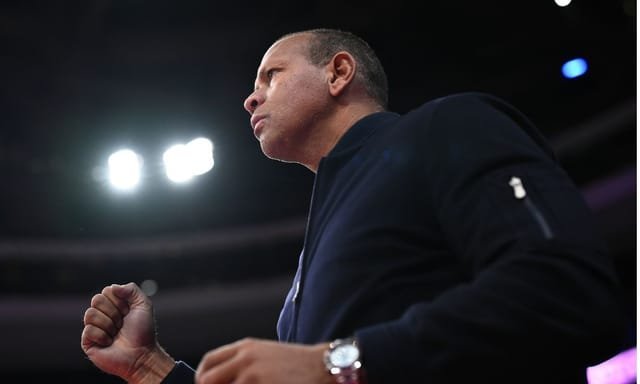
Few players in Major League Baseball history have generated as much debate as Alex Rodriguez. Known for his extraordinary talent, record-breaking achievements, and headline-making controversies, Rodriguez remains one of the most polarizing figures the sport has ever seen. Yet recent remarks from New York Yankees icon Mariano Rivera have added an important layer to the conversation, presenting a more personal and human perspective on a player often defined by public scrutiny.
Speaking about his former teammate, Rivera described Rodriguez as someone who genuinely cares about people but sometimes struggles to express those emotions effectively. Coming from one of the most respected figures in baseball history, the comments carry significant weight and invite fans to re-examine the narrative surrounding one of the game’s most discussed superstars.
The discussion is not simply about friendship between two former teammates. It touches on larger themes including leadership, media perception, athlete psychology, redemption, and the complex reality of life inside one of sports’ most demanding environments: the New York Yankees.
Why Mariano Rivera’s Comments Matter
When Mariano Rivera speaks, baseball fans listen. Widely regarded as the greatest closer in MLB history, Rivera built a reputation not only for excellence on the field but also for professionalism, humility, and credibility off it.
Throughout his career, Rivera was viewed as a stabilizing force inside the Yankees clubhouse. He played alongside multiple generations of stars, navigated championship runs, and witnessed firsthand the pressures that come with wearing the Yankees uniform.
Because of that reputation, his assessment of Alex Rodriguez offers something unique: an insider’s perspective from someone who experienced Rodriguez’s journey up close.
Rather than focusing on scandals or controversies, Rivera highlighted qualities that rarely dominate headlines—loyalty, passion, emotional investment, and a deep love for baseball. These observations challenge the simplified public image that has often followed Rodriguez throughout his career.
Understanding Alex Rodriguez Beyond the Headlines
For much of his playing career, Rodriguez was evaluated through two lenses: his remarkable performance and his controversial moments. The combination created a public image that often overshadowed the person behind the player.
From a baseball perspective, Rodriguez’s accomplishments place him among the most talented players ever to step onto a diamond.
| Career Achievement | Significance |
|---|---|
| Three American League MVP Awards | Established himself as one of the most dominant players of his era |
| Over 600 Career Home Runs | Placed him among baseball’s elite power hitters |
| 14 All-Star Selections | Demonstrated sustained excellence across multiple seasons |
| 2009 World Series Champion | Delivered the championship success critics said he lacked |
| Multiple Silver Slugger Awards | Recognized offensive excellence at an elite level |
Despite these accomplishments, public discussions often shifted toward controversy rather than performance. Rivera’s comments remind fans that elite athletes are rarely one-dimensional figures. Success, pressure, mistakes, growth, and personal relationships all shape their stories.
The Unique Pressure of Playing for the New York Yankees
To fully understand Rodriguez’s career, it is important to appreciate the environment in which much of it unfolded.
The New York Yankees are not simply another baseball franchise. They represent one of the most recognizable brands in global sports. Every performance is analyzed. Every slump becomes a story. Every mistake receives national attention.
For star players, the expectations are even greater.
Rodriguez arrived in New York carrying enormous expectations. He was already considered one of baseball’s premier talents, and fans expected championships, MVP-caliber production, and leadership from day one.
Few athletes in modern sports have entered a market with comparable scrutiny. Every decision—from on-field performance to media appearances—was magnified.
This environment helps explain why relationships with teammates such as Mariano Rivera became especially valuable. Veteran leaders often serve as mentors, confidants, and stabilizing influences when external pressure reaches overwhelming levels.
The Older Brother Dynamic Rivera Described
One of the most revealing aspects of Rivera’s comments was his description of their relationship.
Rather than portraying Rodriguez as a superstar who had everything figured out, Rivera described him as someone who occasionally needed guidance and accountability. He characterized himself as an older brother figure willing to offer honest advice when necessary.
This insight highlights an important reality of professional sports: even elite athletes need support systems.
Public perception often assumes that star players operate independently because of their fame, wealth, and success. In reality, professional athletes frequently rely on trusted teammates and mentors to help navigate challenges both on and off the field.
Rivera’s comments suggest that Rodriguez valued those relationships, even during periods when his public image suggested otherwise.
Baseball as Alex Rodriguez’s Lifelong Obsession
Another notable element of Rivera’s remarks was his description of Rodriguez’s passion for baseball.
According to Rivera, virtually everything in Rodriguez’s life revolved around the sport. While some fans may view that as an exaggeration, it aligns with what many former teammates, coaches, and analysts have observed over the years.
The greatest players often possess an uncommon level of obsession with their craft. They study details others overlook, analyze mechanics relentlessly, and dedicate extraordinary amounts of time to improvement.
Rodriguez’s career reflects that reality.
His success was not solely the result of natural talent. It also stemmed from preparation, discipline, and an intense commitment to understanding every aspect of the game.
This passion likely contributed to both his achievements and some of the pressures he experienced throughout his career.
The Turning Point: The Yankees’ 2009 Championship Run
No discussion of Rodriguez’s Yankees legacy is complete without examining the 2009 season.
Before that year, critics frequently questioned whether Rodriguez could deliver in the postseason. Despite outstanding regular-season numbers, playoff struggles had become a recurring topic among analysts and fans.
The 2009 postseason changed that narrative.
Rodriguez delivered several clutch performances and became one of the driving forces behind New York’s championship run. His postseason production helped propel the Yankees to their 27th World Series title.
For many observers, the championship validated his place among baseball’s elite performers. For teammates like Rivera, it served as proof that Rodriguez could thrive under the sport’s biggest spotlight.
The season remains one of the most important chapters in his career because it addressed a criticism that had followed him for years.
The Controversies That Shaped Public Perception
While Rivera’s comments focused on Rodriguez’s character, it would be impossible to discuss his legacy without acknowledging the controversies that influenced public opinion.
Several high-profile incidents created lasting debate about Rodriguez throughout his career.
- Questions regarding clubhouse relationships and leadership style.
- Public criticism during difficult postseason stretches.
- Admission of performance-enhancing drug use.
- The Biogenesis investigation and subsequent suspension.
- Ongoing media scrutiny that followed nearly every aspect of his career.
These events became defining elements of Rodriguez’s public image. For some fans, they permanently altered perceptions of his achievements. For others, they became part of a larger story involving mistakes, accountability, and eventual redemption.
Regardless of perspective, the controversies demonstrate how quickly narratives can overshadow accomplishments in professional sports.
The Difference Between Public Image and Personal Reality
One of the most valuable insights from Rivera’s comments is the distinction between public image and personal reality.
Fans typically encounter athletes through interviews, social media, broadcasts, and headlines. Teammates experience a different version of those individuals entirely.
Inside a clubhouse, players witness work habits, leadership qualities, personal struggles, and private moments that never reach public view.
Rivera’s perspective suggests that Rodriguez may have been more complex than many public narratives acknowledged.
That does not erase controversies or criticisms. Instead, it reinforces the idea that public figures can possess qualities that remain largely invisible to audiences.
In today’s media landscape, where narratives often become simplified into heroes and villains, such nuance is increasingly important.
Lessons for Modern Athletes
The conversation surrounding Rivera and Rodriguez offers several lessons for today’s generation of professional athletes.
1. Talent Alone Is Not Enough
Elite ability can open doors, but relationships, communication, and leadership often determine how athletes are remembered.
2. Mentorship Matters
Having trusted veterans can help players navigate pressure, criticism, and career-defining decisions.
3. Public Narratives Are Often Incomplete
Athletes should recognize that public perception rarely captures the full reality of who they are.
4. Legacy Is Constantly Evolving
How athletes are remembered can change significantly over time as new perspectives emerge.
How History May Ultimately Judge Alex Rodriguez
Sports history often becomes more balanced with time.
As emotions fade and careers are viewed in full context, public assessments tend to become more nuanced. Players once defined by controversy are often reevaluated through a broader lens that includes accomplishments, challenges, mistakes, and growth.
Rodriguez appears to be entering that phase of legacy evaluation.
His achievements remain extraordinary. His controversies remain part of the historical record. Yet voices like Mariano Rivera’s provide additional context that helps create a more complete picture.
Future generations will likely view Rodriguez as one of baseball’s most talented and complicated figures—a player whose story reflects both the opportunities and pressures that come with greatness.
What Rivera’s Comments Reveal About Team Culture
Beyond Rodriguez himself, Rivera’s remarks highlight something important about championship teams.
Successful organizations are built on more than talent. They require trust, accountability, mentorship, and strong interpersonal relationships.
The Yankees teams that won championships featured numerous star players, but they also benefited from veteran leaders willing to support teammates through adversity.
Rivera’s description of serving as a brotherly presence illustrates the often-overlooked emotional infrastructure that exists within winning organizations.
Fans see home runs, strikeouts, and championships. Players experience conversations, guidance, and relationships that help make those achievements possible.
Conclusion: A More Complete Understanding of Alex Rodriguez
Mariano Rivera’s recent comments provide a valuable reminder that sports legends are rarely as simple as public narratives suggest. While Alex Rodriguez’s career included extraordinary accomplishments and significant controversies, Rivera’s perspective highlights qualities that many fans may never have fully appreciated.
His portrayal of Rodriguez as a passionate baseball devotee, a teammate who cared deeply about others, and someone who benefited from honest mentorship adds meaningful context to one of baseball’s most debated careers.
As baseball continues to evaluate Rodriguez’s place in history, conversations like these help create a fuller and more balanced understanding of the man behind the headlines. The statistics, championships, and controversies will always be part of his legacy, but so too will the relationships he built with teammates who knew him best.
In many ways, Rivera’s comments may represent the most important lesson of all: behind every sports superstar is a human story far more complex than any headline can capture.
For breaking news and live news updates, like us on Facebook or follow us on Twitter and Instagram. Read more on Latest Sports on thefoxdaily.com.






COMMENTS 0