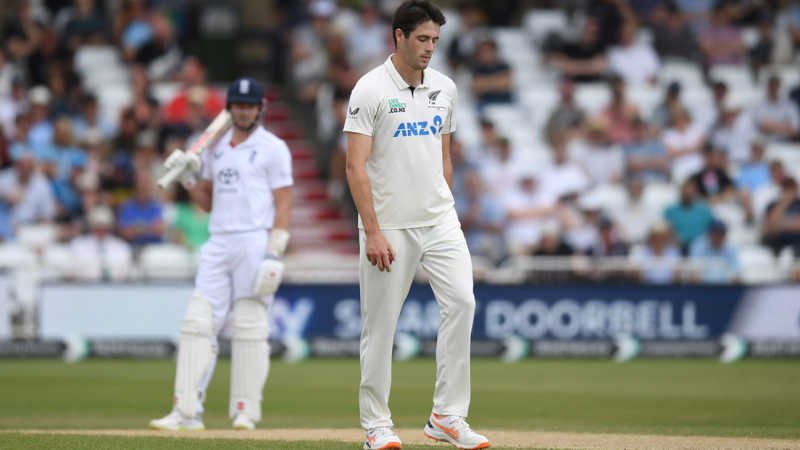
New Zealand’s memorable Test series triumph in England demonstrated more than resilience and tactical excellence—it highlighted the remarkable depth the Black Caps have developed in their fast-bowling department. However, beneath the celebrations lies an equally significant challenge: keeping that pace attack healthy during one of the busiest stretches in recent memory.
With six high-profile Test matches scheduled against India and Australia between November and January, New Zealand’s selectors are already focusing on player fitness, injury prevention, and intelligent workload management. Rather than relying on the same bowling quartet throughout the season, the management expects rotation to become an essential part of its long-term strategy.
The discussion extends beyond individual players. It reflects how modern international cricket has evolved, where managing fast bowlers is often just as important as selecting them.
Historic England Series Win Came at a Physical Cost
New Zealand’s comeback victory against England will be remembered as one of the country’s finest overseas Test achievements. Recovering from an opening defeat to win the series showcased the squad’s mental strength, tactical flexibility, and ability to perform under pressure.
Yet the success also exposed the physical demands placed on modern fast bowlers.
Several seamers ended the tour dealing with injuries, fatigue, or rehabilitation concerns. By the conclusion of the series, the medical staff were monitoring multiple pace bowlers, highlighting how demanding consecutive Test matches have become.
While winning a Test series overseas remains a significant accomplishment, it also served as a reminder that sustained success depends on preserving the fitness of the bowling group over an entire season rather than a single series.
Why Fast-Bowling Depth Has Become One of New Zealand’s Greatest Strengths
For years, New Zealand built its success around experienced pace bowlers capable of delivering consistent performances in all conditions. As several senior players entered the later stages of their careers, developing a new generation became a priority.
That investment is now paying dividends.
Instead of relying on only three or four frontline quicks, New Zealand have gradually assembled a larger pool of bowlers capable of stepping into the international arena when required.
This depth provides several advantages:
- Reduced workload on senior fast bowlers.
- Greater tactical flexibility across different conditions.
- Improved competition for places.
- Better injury management.
- Smoother long-term succession planning.
In an era where injuries are increasingly common among pace bowlers, squad depth can often determine whether a team remains competitive across multiple formats.
The Packed Home Summer Creates a Major Challenge
New Zealand’s upcoming international schedule leaves little room for recovery.
The Black Caps will host India before travelling to Australia for another demanding Test series. The short gaps between matches significantly reduce recovery time, making careful rotation almost unavoidable.
Unlike limited-overs cricket, Test matches place sustained physical stress on fast bowlers, who repeatedly bowl long spells over several days.
Expecting the same attack to feature in every match would increase the likelihood of fatigue-related injuries, especially among bowlers with previous fitness concerns.
Why Workload Management Is No Longer Optional
Modern sports science has transformed how elite cricket teams approach fast-bowling workloads.
Rather than selecting players solely based on form, medical teams now monitor:
- Bowling volume.
- Recovery periods.
- Training intensity.
- Previous injury history.
- Travel schedules.
- Physical readiness between matches.
This data-driven approach helps reduce injury risks while maximizing long-term availability.
For New Zealand, workload management is particularly important because several frontline quicks have previously battled significant injuries.
Kyle Jamieson’s Return Offers Huge Encouragement
One of the most positive developments for New Zealand has been the successful return of Kyle Jamieson.
After spending a prolonged period recovering from back surgery, the towering fast bowler has gradually returned to international cricket without rushing the rehabilitation process.
Rather than asking him to play every Test immediately, New Zealand carefully managed his comeback by scheduling planned rest periods.
This measured strategy reflects a broader philosophy within the team’s management—prioritizing long-term availability over short-term gains.
If Jamieson remains fully fit throughout the upcoming season, he could once again become one of the world’s most influential Test fast bowlers.
Nathan Smith Has Emerged as a Genuine Match-Winner
Perhaps the biggest revelation from New Zealand’s recent overseas campaign has been Nathan Smith.
Initially viewed as an additional seam option, Smith consistently delivered impactful performances with both the new and older ball.
His ability to contribute as part of a balanced bowling attack provides New Zealand with valuable flexibility.
Instead of relying solely on specialist quicks, the selectors now possess another dependable option capable of maintaining pressure across long Test innings.
His emergence also strengthens competition within the squad, ensuring that every pace bowler must continue performing to retain a place.
| Fast Bowler | Current Role | Importance Ahead of India & Australia Series |
|---|---|---|
| Matt Henry | Senior strike bowler | Leader of the pace attack when available |
| Kyle Jamieson | Returning after injury | Provides bounce and movement in all conditions |
| Will O’Rourke | Emerging frontline quick | Expected to play a major role if fully fit |
| Nathan Smith | Fast-bowling all-round option | Adds depth and balance to the bowling attack |
| Zak Foulkes | Developing pace prospect | Important backup option during rotation |
Rotation Could Become New Zealand’s Biggest Tactical Advantage
Rather than viewing rotation as a sign of weakness, successful international teams increasingly treat it as a competitive advantage.
By keeping bowlers fresh, selectors can maintain higher bowling speeds, improve recovery, and reduce injury risks throughout lengthy campaigns.
New Zealand’s growing pace reserves make this strategy more practical than ever before.
If implemented effectively, rotation could allow the Black Caps to field high-quality bowling attacks throughout the entire home summer instead of exhausting their leading fast bowlers early.
Australia Remains the Ultimate Test
Despite New Zealand’s recent success in England, history suggests that Australia presents an entirely different challenge.
The Black Caps have traditionally struggled across the Tasman, where Australian conditions reward relentless pace, bounce, and sustained pressure.
Even previous New Zealand teams featuring legendary pace combinations found victories difficult to secure.
That historical record underlines why maintaining a healthy bowling attack is considered essential for the upcoming tour.
Without fully fit fast bowlers, competing consistently in Australia becomes considerably more difficult regardless of batting strength.
Can New Zealand Challenge for Another World Test Championship Final?
The upcoming season carries significance beyond bilateral trophies.
Every Test contributes toward qualification for the next World Test Championship Final.
New Zealand have already demonstrated they can compete with the world’s strongest teams when fully prepared. The recent England victory reinforces that belief.
However, sustaining that level across consecutive series requires consistency, squad depth, and effective player management.
If their bowling unit remains healthy, New Zealand possess the resources to challenge both India and Australia while strengthening their position in the championship standings.
Lessons Modern Cricket Continues to Teach
The evolution of workload management reflects one of cricket’s biggest modern trends.
As international calendars become increasingly crowded, simply selecting the strongest available XI for every match is no longer sustainable.
Instead, successful teams carefully balance immediate results with long-term player availability.
New Zealand’s approach demonstrates how planning, sports science, and squad depth can work together to maximize performance over an entire season rather than isolated matches.
What to Watch During the Upcoming Test Season
- How frequently New Zealand rotate their fast bowlers.
- Whether Kyle Jamieson remains injury free after his comeback.
- Nathan Smith’s continued development as an all-format bowler.
- The impact of workload management during the India series.
- Whether New Zealand can finally improve their Test record in Australia.
Conclusion
New Zealand’s recent Test success has highlighted the impressive depth developing within their fast-bowling ranks, but the greatest challenge now lies in preserving that strength throughout a demanding international schedule. With six major Test matches approaching in quick succession, intelligent workload management will be just as important as tactical planning on the field.
The return of Kyle Jamieson, the emergence of Nathan Smith, and the availability of multiple quality pace options provide genuine optimism for the Black Caps. If selectors successfully balance rotation with performance, New Zealand could enter both the India and Australia series with one of the strongest and freshest bowling attacks in international cricket. Their ability to keep that unit healthy may ultimately determine not only their immediate success but also their chances of reaching another World Test Championship Final.
For breaking news and live news updates, like us on Facebook or follow us on Twitter and Instagram. Read more on Latest Sports on thefoxdaily.com.






COMMENTS 0