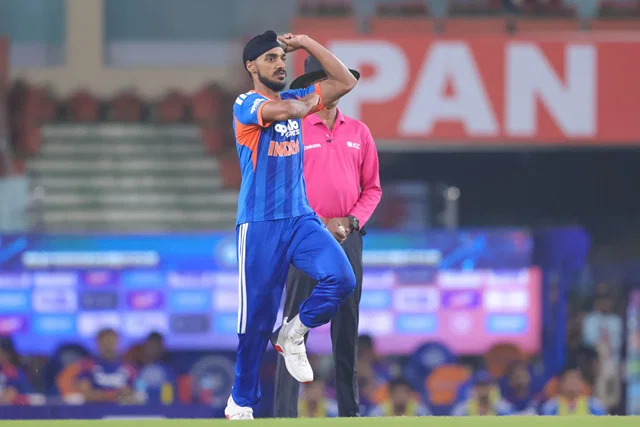
India and New Zealand are set to face off in a five-match T20I series as part of a multi-format tour featuring five ODIs and two Test matches. The shortest format will kick off the tour, bringing together two teams with a competitive recent history and plenty of quality in their bowling attacks.
India enter the series with a strong record in T20Is against New Zealand, including an unbeaten run across their last eight matches in the format on New Zealand soil. However, the hosts will have the advantage of familiar conditions, which could prove important for their seamers and spin-bowling options.
The Men in Blue last played a T20I series in New Zealand in 2022, winning the three-match contest 1-0. India have also enjoyed the upper hand in the overall head-to-head record, winning 19 of 31 T20Is against the Kiwis, while New Zealand have registered 11 victories. One match in that tally ended without a win for either side.
With both teams preparing for an important series, the performances of their leading bowlers could have a significant influence on the results. Mitchell Santner‘s control, Arshdeep Singh‘s left-arm pace and Matt Henry‘s ability to exploit home conditions make them three strong candidates to finish among the leading wicket-takers.
Here is a closer look at the three bowlers who could claim the most wickets in the NZ vs IND 2026 T20I series.
1. Mitchell Santner
New Zealand captain Mitchell Santner is a strong candidate to finish as the series’ leading wicket-taker. The left-arm spinner combines experience with an economical approach, and his ability to control the scoring rate could be particularly valuable against India’s aggressive batting lineup.
Santner comes into the series after an impressive T20I outing against South Africa. He claimed five wickets across three matches, averaging 9.60 runs per wicket while maintaining an economy rate of 4.80. Those figures highlight his ability to restrict batters while still making regular breakthroughs.
Mitchell Santner’s T20I Record Against India
Santner has an established record against India in the shortest format. Across 27 T20I appearances against the Men in Blue, he has taken 23 wickets at an average of 31.86 and an economy rate of 7.79. His best bowling figures against India are 4/11.
Although his average against India is not as impressive as his recent figures against South Africa, his wicket tally demonstrates that he has repeatedly found ways to trouble the Indian batting order. His experience against several of India’s batters could help him identify useful matchups during the series.
Santner’s record in New Zealand is another reason to consider him a leading contender. He has collected 70 wickets in 66 T20 matches at home, averaging 22.84 runs per wicket with an economy rate of 7.46. These numbers suggest that he is comfortable operating in familiar conditions and can make an impact across different phases of an innings.
Why Santner Could Be the Leading Wicket-Taker
India’s batting lineup includes several left-handed players, creating opportunities for Santner to use his angle and vary his approach. Rather than relying exclusively on sharp turn, he can focus on maintaining accurate lines, changing his pace and adjusting his trajectory to make clean hitting more difficult.
New Zealand conditions do not always offer the same degree of turn that spin bowlers might find on more responsive surfaces elsewhere. Santner’s strength is that he does not necessarily need substantial assistance from the pitch to remain effective. His control and ability to build pressure can encourage batters to take risks, potentially creating opportunities for wickets.
As captain, Santner will also have an important role in managing New Zealand’s bowling resources. His understanding of conditions and ability to adjust fields could help him target particular batters and deliver effective spells at crucial moments.
India’s aggressive approach could work in Santner’s favour if the batters attempt to force the pace against him. If he can limit boundaries and make the scoring rate climb, wickets may follow as the visitors look to accelerate.
Verdict: Santner’s home record, recent form and tactical approach make him a strong contender to finish the series as New Zealand’s leading wicket-taker and potentially the overall leader.
2. Arshdeep Singh
India’s Arshdeep Singh is another leading candidate to finish among the highest wicket-takers in the series. With Jasprit Bumrah absent from the pace attack, Arshdeep is expected to shoulder greater responsibility for India’s fast-bowling unit, alongside experienced seamer Bhuvneshwar Kumar, who is returning to the setup according to the supplied information.
Arshdeep has established himself as one of India’s most effective T20I bowlers. His left-arm angle, ability to swing the new ball and skill at delivering yorkers make him a valuable option in both the powerplay and the closing overs. Those qualities could be important against a New Zealand batting lineup that will look to make full use of home conditions.
Arshdeep Singh’s Impressive T20I Numbers
Arshdeep has taken 145 wickets in 99 T20I matches, averaging 20.30 runs per wicket and conceding runs at an economy rate of 8.62. His best figures are 5/51, highlighting his ability to produce a match-changing spell when conditions and execution come together.
His record against New Zealand is particularly encouraging. In 10 T20I matches against the Kiwis, the left-arm quick has claimed 17 wickets at an average of 20.00 and an economy rate of 9.44. Although his economy rate against New Zealand indicates that he has sometimes conceded runs, his wicket-taking record shows that he can regularly break through their batting order.
Arshdeep also performed well during India’s previous T20I tour of New Zealand in 2022. He took four wickets across two matches at an average of 16.50 and an economy rate of 9.42. That experience could help him prepare for the challenges of bowling against the Kiwis in their own conditions.
Arshdeep Singh’s Form in 2026
According to the supplied statistics, Arshdeep has taken 35 wickets from 24 innings in 27 T20Is this year. He has averaged 24.68 runs per wicket and maintained an economy rate of 9.20.
The figures underline his importance to India’s bowling plans, particularly in a series where the team will need regular breakthroughs against an attacking opposition. His ability to take wickets at different stages gives the captain flexibility when deciding how to deploy him.
Arshdeep’s left-arm angle could be useful against New Zealand’s top order. He can look to move the ball early, challenge the stumps and force batters to play away from their preferred scoring areas. In the final overs, his yorkers and changes of pace may help him limit scoring while creating chances for wickets.
Why Arshdeep Could Finish as the Series’ Leading Wicket-Taker
The absence of Bumrah could mean a heavier workload for Arshdeep, but it also presents an opportunity for him to become an even more influential figure in the attack. If he can deliver breakthroughs in the powerplay and return effectively at the death, he could accumulate wickets across the five matches.
New Zealand’s home conditions could offer assistance to seamers, particularly when there is movement through the air or off the pitch. Arshdeep’s ability to bowl with different angles and lengths should help him adapt to those conditions, although the degree of assistance will depend on the surface and weather on each matchday.
His main challenge will be controlling the scoring rate. The economy rate in his record against New Zealand shows that the hosts have sometimes been able to attack him successfully. Finding the right balance between wicket-taking aggression and disciplined bowling will be important.
Verdict: Arshdeep Singh is a strong candidate to finish as India’s leading wicket-taker. His impressive overall record, previous success against New Zealand and expected responsibility in the pace attack give him a realistic chance of topping the series charts.
3. Matt Henry
New Zealand fast bowler Matt Henry completes the list of potential leading wicket-takers. An experienced international seamer, Henry could play a major role in the home side’s plans, especially during the early overs when the ball may offer movement.
Henry’s most recent T20I appearance came against India in the 2026 T20 World Cup final, according to the supplied preview. His record against the Men in Blue in the format has been modest, with four wickets from four matches at an average of 35.50 and an economy rate of 11.83.
Those numbers suggest that India have generally been able to score freely against him in T20Is. However, his record at home is more encouraging, and the upcoming series offers him an opportunity to make a stronger impact in familiar conditions.
Matt Henry’s T20I Record at Home
Henry has taken 18 wickets in 17 T20I matches in New Zealand, averaging 29.61 runs per wicket and conceding runs at an economy rate of 8.88. While these figures are not dominant, they provide a more positive picture than his record against India in the format.
His experience across international cricket also makes him a valuable option for the Black Caps. Henry can maintain a disciplined line and length, use changes in pace when required and look to exploit any movement available with the new ball.
Against India’s aggressive top order, his opening spell could be especially important. Early wickets would prevent the visitors from building momentum and force the middle order to bat earlier than planned.
Why Matt Henry Could Trouble India’s Batters
Henry’s best opportunity to make an impact could come through swing and seam movement. If the conditions provide assistance, he can challenge India’s top-order batters with deliveries that move away from or back into the hitting arc. His pace and accuracy could make it difficult for batters to attack freely without taking risks.
Players such as Abhishek Sharma, Sanju Samson and Ishan Kishan can put pressure on bowlers when they find their rhythm. Henry will need to strike early or prevent them from scoring freely in the powerplay. A disciplined opening spell could create pressure for the rest of New Zealand’s attack to build on.
Henry’s experience also gives him the ability to adapt if conditions are less helpful. He can focus on hitting consistent areas, using variations and avoiding predictable lengths. Against a batting lineup with several aggressive options, maintaining discipline will be as important as finding movement.
His previous T20I numbers against India mean he may not be the safest statistical choice to finish as the overall leading wicket-taker. Nevertheless, home conditions and his role as one of New Zealand’s principal fast bowlers make him a serious contender.
Verdict: Matt Henry could emerge as one of New Zealand’s most productive bowlers if he makes good use of the conditions and delivers early breakthroughs. His home record gives him a foundation for a strong series, despite his comparatively modest T20I figures against India.
NZ vs IND 2026 T20I Series: Who Has the Best Chance of Taking the Most Wickets?
All three bowlers have a convincing case for inclusion among the series’ leading wicket-takers, but their strengths differ. Santner offers control and experience in home conditions, Arshdeep brings a strong wicket-taking record and the ability to bowl at key stages, while Henry could benefit from any early movement available to New Zealand’s seamers.
Santner’s record of 70 wickets in 66 home T20 matches makes him a compelling option, especially if he can maintain pressure on India’s left-handed batters. His recent performance against South Africa also provides encouragement heading into the series.
Arshdeep, meanwhile, has the strongest overall wicket-taking numbers of the three in T20Is, with 145 wickets. His 17 wickets in 10 matches against New Zealand suggest that he has repeatedly found ways to trouble the Kiwis. If he handles the additional responsibility in India’s pace attack effectively, he could finish at the top of the standings.
Henry’s chances may depend more heavily on conditions and how often he gets opportunities to bowl to the top order. His home record is better than his figures against India, and a productive powerplay spell could quickly improve his position in the wicket-taking race.
Because the series includes five matches, consistency will be crucial. A bowler who claims wickets in several games may have a better chance of finishing first than one who produces a single outstanding performance. Workload, playing conditions and the number of overs available will also influence the final standings.
Final Prediction: Top 3 Highest Wicket-Takers in NZ vs IND T20Is 2026
Based on the supplied career figures, recent performances and expected roles, Mitchell Santner, Arshdeep Singh and Matt Henry are three bowlers worth watching throughout the series. Each has a different route to success, and their performances could shape the balance of the five-match contest.
- 1. Mitchell Santner: His strong home record, recent five-wicket haul against South Africa and ability to control scoring make him a leading contender.
- 2. Arshdeep Singh: India’s leading T20I wicket-taker has an impressive record against New Zealand and could take on additional responsibility in the pace attack.
- 3. Matt Henry: His experience and ability to exploit movement in home conditions could make him a major threat during the powerplay.
Arshdeep Singh could have the best chance of finishing as India’s leading wicket-taker, while Santner is a strong contender to challenge for the overall top spot. Henry should not be overlooked, particularly if the conditions favour fast bowling during the opening overs.
Ultimately, the race for the most wickets will depend on consistency, match conditions and how effectively each bowler adapts to the opposition. With five T20Is scheduled, all three have enough opportunities to make a significant impact on the series.
Note: The statistics and squad details in this article are based on the supplied source material. Player availability, team selections and match conditions may affect the final outcome.
For breaking news and live news updates, like us on Facebook or follow us on Twitter and Instagram. Read more on Latest Cricket on thefoxdaily.com.






COMMENTS 0