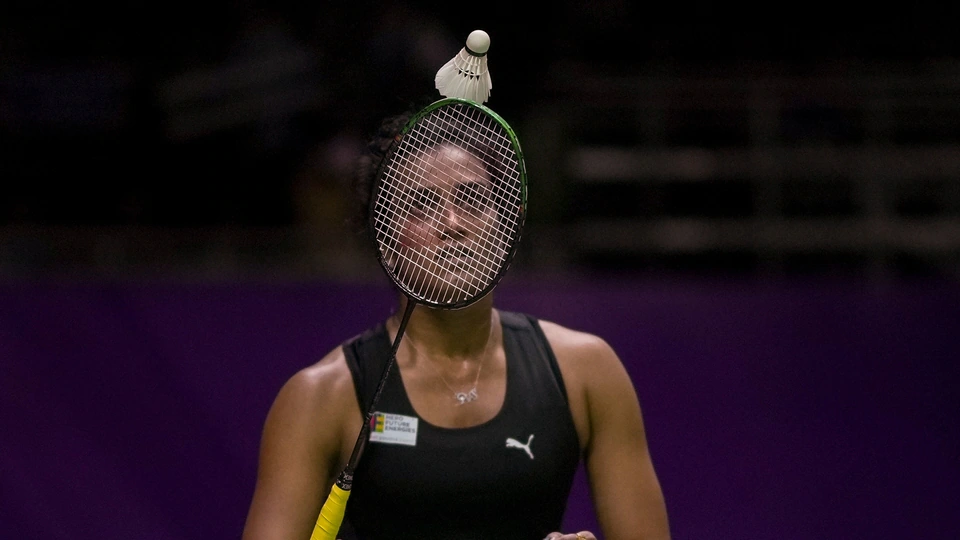
An administrative dispute between the Sports Authority of India (SAI) and the Badminton Association of India (BAI) has reportedly left several Indian Badminton players facing uncertainty over financial support during the recent European tournament circuit. The issue affected a campaign involving leading shuttlers PV Sindhu and Lakshya Sen, who travelled across four countries before both India No. 1 players went on to win their respective titles at the Hylo Open in Saarbrücken, Germany.
The controversy has raised concerns about how administrative delays and funding approvals can affect athletes, particularly younger players who depend on government and federation support to compete internationally. While SAI has attributed the delay to the late submission of required documents by BAI, people familiar with the matter have pointed to complications surrounding tournament schedules, budget allocations and the release of participation details.
SAI-BAI Funding Dispute Raises Questions Over Players’ European Tour
The recent European badminton swing involved tournaments in Finland, Denmark, France and Germany. However, administrative delays reportedly meant that SAI did not approve the required funds in time for the participation of several leading Indian players, including PV Sindhu and Lakshya Sen.
The situation created uncertainty over the financial arrangements for the trip, with players and the federation having to deal with expenses and participation plans without timely confirmation of government funding.
Despite the difficulties, Sindhu and Lakshya eventually delivered successful campaigns, with both players crowned champions at the Hylo Open in Saarbrücken on Sunday. Their performances provided a positive sporting outcome, even as the funding controversy brought attention to the administrative challenges surrounding India’s international badminton programme.
The central disagreement concerns the timing of the funding proposal and the information required by SAI before it could approve participation. According to a SAI official, the tournaments were not included in the BAI’s Annual Calendar for Training and Competition (ACTC), the schedule that the federation submits for approval.
SAI Says BAI Missed the Required 30-Day Submission Deadline
A SAI official explained that the tournaments in question had not received approval as part of the ACTC. However, the official clarified that athletes can also receive approval to participate in competitions outside the calendar, provided the federation follows the prescribed procedure and submits the necessary proposal on time.
“These three competitions were not presented during ACTC and hence did not have ACTC approval. However, SAI approves the participation of athletes in competitions beyond ACTC as well. The timeline for submission of such proposals by the federation is 30 days prior to the event. The federation was unable to send the proposal for the participation of athletes 30 days before the event, as stipulated under the norms. The proposal could, therefore, not be processed in time for the release of funds. The federation was informed about this well in time,” a SAI official aware of the development said.
According to the official, national sports federations are expected to submit their travel schedules and participation plans sufficiently in advance to allow the authorities to examine and approve the proposals.
SAI has already reduced the required submission period for itineraries from 60 days to 30 days. However, the official claimed that some federations continue to miss the deadline, creating difficulties in processing funding requests before international competitions begin.
The official also rejected suggestions that the controversy reflected a reduction in financial support for elite badminton players.
“There is no funding cut for elite badminton athletes,” the SAI official added.
SAI’s position is that the funding proposal could not be processed within the required timeframe because the federation did not submit the necessary information according to the established guidelines. The explanation places responsibility for the delay on the timing of BAI’s submission rather than a decision to reduce support for elite players.
BAI’s Budget Planning and Post-Asian Games Funding Questions
Although BAI did not offer an official comment when contacted, a person familiar with the issue provided a different perspective on the funding difficulties. According to this account, the original ACTC budget discussions took place in December 2025, when the financial plan was designed primarily around preparations for and participation in the Asian Games.
The government reportedly wanted the focus to remain on the major continental competition, meaning that funding allocations for tournaments scheduled after the Asian Games were expected to be reviewed at a later stage.
“They said it will happen, but things kept getting delayed,” an official said.
The uncertainty over post-Asian Games funding reportedly affected other competitions as well. With the required funds not released, BAI sponsored India’s participation in the World Junior Championships held in mid-October, after the Asian Games.
The situation highlighted the challenges faced by the federation in arranging international participation when funding decisions remain pending. While SAI pointed to the submission deadline, the account from a person familiar with the matter suggested that delays in the broader budget approval process also contributed to the uncertainty.
These differing explanations illustrate the administrative complexity behind funding international sporting campaigns. Federations must plan participation well in advance, but they also need clarity about budget allocations and the documentation required by the authorities to ensure that players can travel and compete without disruption.
Disagreement Over Tournament Itineraries and Main Draw Details
Another important part of the dispute concerns the information required by SAI to process the European tour proposal. According to a person familiar with the matter, BAI had reportedly sent the itinerary to SAI around 30 to 35 days before the tournaments began.
However, SAI subsequently sought additional details, including MNQ, which refers to the main draw and qualifying information for the competitions. The issue, according to the account, was that tournament organisers had changed the timing of when such information became available.
Unlike in previous instances, the organisers reportedly released the main draw and qualifying details only shortly before the tournaments. By the time the required information became available, there was insufficient time for SAI to complete the funding approval process and release the money before the events.
This account suggests that the delay was not simply about the initial submission of the itinerary. The availability of additional tournament information also became a factor in the approval process, creating a difficult situation for the federation.
The person familiar with the issue indicated that discussions were continuing with the government, SAI and the Target Olympic Podium Scheme (TOPS) to address the matter.
“Discussions are still on with the government, SAI, TOPS,” he said. “The federation cannot blame the government for obvious reasons.”
With BAI declining to comment publicly, the precise details of the discussions remain unclear. Nevertheless, the episode has exposed the need for better coordination between the federation, funding authorities and tournament organisers when international participation plans are being finalised.
PV Sindhu Highlights the Impact on Young Badminton Players
PV Sindhu has also spoken publicly about the consequences of delayed funding, particularly for younger players who do not have the financial resources or sponsorship arrangements available to established international athletes.
In a post on social media platform X, the former world champion said that she could find alternative ways to finance her own participation in international tournaments. However, she warned that the same option was not available to emerging players who depend heavily on financial assistance to pursue their careers.
“I can find ways to fund my tour. But what about the 18-year-old chasing her dreams, hoping to become the next Sindhu or Lakshya? You’ll see that younger players had to compete without coaches, while several withdrew from tournaments,” Sindhu said in her post on X.
Her comments brought attention to the wider consequences of funding uncertainty. While established athletes may have personal sponsors or other financial resources to support their international schedules, younger shuttlers often rely on federation arrangements and government assistance to participate in overseas competitions.
Sindhu also acknowledged that experienced players should work towards becoming financially independent wherever possible. She said she had been fortunate to receive sponsorship support, but stressed that not every athlete enjoys the same privilege.
Her concern was therefore not limited to the immediate financial arrangements for the European tour. It also focused on the opportunities available to the next generation of Indian badminton players. Competing internationally without coaches or withdrawing from tournaments because of financial difficulties can affect their development and reduce their chances of gaining valuable experience.
Why the Funding Issue Matters for Indian Badminton
The dispute between SAI and BAI has highlighted an important challenge in India’s international badminton programme: ensuring that administrative procedures do not disrupt athletes’ preparation and participation.
International tournaments require careful planning. Federations must prepare travel itineraries, confirm player participation, collect tournament information and submit proposals within the required deadlines. Funding authorities, meanwhile, need sufficient documentation to assess requests and release money according to established rules.
When these processes are delayed or when the required information becomes available too close to the competition, players can be left uncertain about their travel arrangements and support systems. The consequences may be particularly serious for young athletes who cannot independently cover international travel and coaching expenses.
The European tour controversy also highlights the importance of clear communication between sports federations and government agencies. SAI has maintained that the proposal did not meet the required submission timeline, while the account from people familiar with the matter points to delays in budget decisions and the late availability of tournament information.
Neither explanation changes the immediate concern raised by Sindhu: athletes should not have to face uncertainty over essential support while trying to compete at the highest level. The fact that younger players reportedly travelled without coaches and some withdrew from tournaments has made the issue particularly significant.
European Tour Success Overshadowed by Administrative Concerns
There was a positive sporting outcome for India at the end of the European swing, with PV Sindhu and Lakshya Sen winning their respective titles at the Hylo Open in Germany. Their success demonstrated the quality of India’s leading badminton players despite the difficulties surrounding the tour.
However, the funding controversy has shifted attention towards the administrative arrangements that support international competition. SAI has insisted that there has been no funding cut for elite badminton athletes and has defended its approval procedures, while questions remain over the timing of budget allocations, tournament documentation and communication with BAI.
For Indian badminton, resolving these issues will be important not only for established stars but also for the young players hoping to follow in their footsteps. As Sindhu’s comments underline, access to international tournaments and proper coaching support can make a significant difference to an emerging athlete’s development.
While the European campaign ended with titles for India’s top players, the disagreement between SAI and BAI has left a wider question unanswered: how can the country’s sporting administration ensure that funding and approval delays do not leave its next generation of athletes to fend for themselves?
For breaking news and live news updates, like us on Facebook or follow us on Twitter and Instagram. Read more on Latest Sports on thefoxdaily.com.






COMMENTS 0