The FIFA World Cup is built around dreams. Every player enters the tournament hoping to lift the trophy, create history, and represent their nation on football’s biggest stage. Yet for two teams, the tournament often ends with a peculiar assignment: competing for third place after the heartbreak of a semi-final defeat.
That reality is now facing England and France ahead of their FIFA World Cup 2026 third-place playoff. Following England’s dramatic semi-final loss to Argentina and France’s defeat against Spain, both teams find themselves preparing for a match that neither expected nor desired.
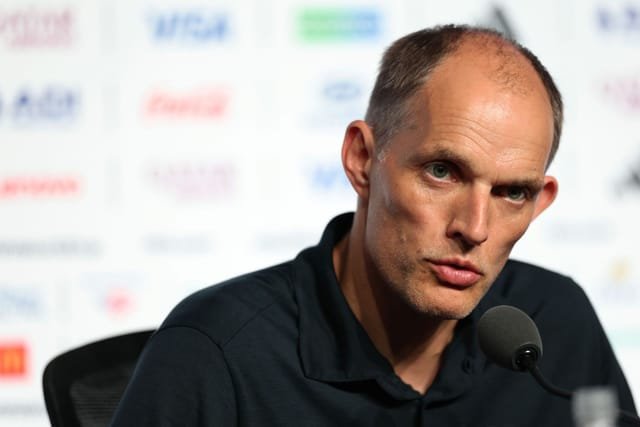
Thomas Tuchel‘s candid admission that players from both nations would rather be preparing for the World Cup final than the third-place game has resonated across the football world. His remarks highlight a longstanding debate about whether the playoff remains a valuable part of the tournament or an outdated tradition that adds little to the World Cup experience.
Beyond the immediate disappointment, however, the match carries significant sporting, financial, and historical importance that is often overlooked.
Why Thomas Tuchel’s Comments Matter
Football managers are often careful with their public statements, especially during major tournaments. That is why Tuchel’s honesty attracted so much attention.
His comments reflected a reality many players rarely discuss publicly. For elite footballers, reaching the World Cup final is the ultimate objective. Once that dream disappears, motivation becomes far more complicated.
The emotional journey from believing a World Cup title is within reach to preparing for a consolation match can be difficult to process within a matter of days.
Tuchel’s remarks therefore offer a rare glimpse into the psychological side of international football, where recovery is not only physical but also emotional.
How England and France Reached This Point
Both teams entered the semi-finals with genuine ambitions of reaching the final.
England appeared on course for a historic victory when Anthony Gordon gave the Three Lions the lead against Argentina. However, Lionel Messi once again demonstrated his influence by orchestrating a comeback that ultimately sent Argentina through to the final.
France faced an equally challenging task against Spain. The reigning European champions controlled key moments of the match and secured a 2-0 victory that ended Didier Deschamps’ hopes of another World Cup triumph.
| Semi-Final | Result | Finalist |
|---|---|---|
| Argentina vs England | Argentina 2-1 England | Argentina |
| Spain vs France | Spain 2-0 France | Spain |
As a result, England and France now meet in Miami while Argentina and Spain prepare for the World Cup final in New Jersey.
The Psychological Challenge of a Third-Place Playoff
The third-place match presents one of the most unusual mental tests in elite sport.
Unlike a final, there is no opportunity to become world champion. Unlike a group-stage match, there is no possibility of qualification. Instead, players must find motivation after experiencing one of the most painful defeats of their careers.
This challenge affects teams differently.
Some nations embrace the opportunity to finish the tournament with a victory. Others struggle to recover emotionally and approach the fixture with reduced intensity.
For coaches, the primary task often becomes restoring confidence and ensuring players remain focused despite the disappointment of missing the final.
Why the Third-Place Match Still Matters
Despite criticism, the match is far from meaningless.
Several important factors remain at stake:
- World Cup ranking position.
- Prize money differences.
- FIFA ranking points.
- National pride.
- Individual awards such as the Golden Boot.
- Momentum heading into future tournaments.
For players nearing the end of their international careers, it may also represent a final opportunity to leave a lasting impression on the global stage.
The Hidden Impact on Individual Awards
One reason the England-France playoff remains significant is its influence on individual honors.
Players competing for awards such as the Golden Boot still have an additional match to improve their statistics.
This is particularly relevant in FIFA World Cup 2026, where the race for the tournament’s top scorer remains extremely close.
The third-place playoff effectively provides certain players with one final chance to influence award outcomes before the tournament concludes.
That additional opportunity can sometimes shape football history.
England’s Search for Another World Cup Milestone
England’s defeat to Argentina extended a frustrating trend.
The Three Lions have repeatedly come close to reaching major finals but have often fallen just short at crucial moments.
Since winning the World Cup in 1966, England has experienced several painful semi-final exits.
| Tournament | Stage | Outcome |
|---|---|---|
| 1990 World Cup | Semi-Final | Lost to West Germany |
| 2018 World Cup | Semi-Final | Lost to Croatia |
| 2026 World Cup | Semi-Final | Lost to Argentina |
For England, defeating France would not erase the disappointment of missing the final, but it would allow the team to finish the tournament on a positive note and secure third place.
France’s Motivation Could Be Different
France enters the match from a slightly different perspective.
Having consistently reached the latter stages of major tournaments over the past decade, Les Bleus have established themselves as one of international football’s most successful nations.
The playoff may also carry added significance because it could represent one of Didier Deschamps’ final matches in charge.
Players often respond strongly in such situations, seeking to honor a manager who has played a major role in their success.
That emotional factor could influence France’s approach and intensity.
Harry Kane’s Comments Reveal England’s Tactical Regret
England captain Harry Kane offered another interesting insight following the semi-final defeat.
According to Kane, the instruction after England took the lead was not to defend but to continue attacking and search for a second goal.
Instead, Argentina gradually seized control of possession and momentum.
The inability to maintain pressure allowed Messi and his teammates to dictate the game’s rhythm, eventually leading to the comeback victory.
This reflection highlights how fine the margins are at World Cups. A single tactical adjustment or missed opportunity can completely alter a team’s destiny.
The Debate: Should FIFA Keep the Third-Place Match?
Tuchel’s comments have once again revived a debate that surfaces during nearly every World Cup.
Supporters of the fixture argue that:
- It rewards teams that performed well throughout the tournament.
- It creates additional entertainment for fans.
- It determines a definitive third-place finisher.
- It gives players one final chance to represent their countries.
Critics argue that:
- Players lack motivation after missing the final.
- The match attracts less global interest.
- The emotional disappointment overshadows the competition.
- Teams often rotate heavily, reducing competitive intensity.
The debate remains unresolved because both sides present compelling arguments.
The Unique Insight Competitors Are Missing
Most discussions focus on whether players want to participate in the third-place playoff. However, the more important question may be what the fixture reveals about elite sporting culture.
Modern football increasingly measures success through trophies alone. Finishing second, third, or fourth is often viewed as failure despite representing an extraordinary achievement at a global tournament.
Yet reaching a World Cup semi-final places a nation among the best teams on the planet.
The third-place match therefore serves as a reminder of football’s shifting standards. Teams are no longer judged solely by progress but by whether they achieve ultimate victory.
Tuchel’s comments reflect that reality. The disappointment comes not because England performed poorly, but because expectations have risen dramatically.
What to Expect From England vs France
Despite the emotional challenges, the match could prove surprisingly entertaining.
With the pressure of winning the World Cup removed, teams often play with greater freedom.
Coaches may rotate squads, young players could receive opportunities, and attackers may take more risks than they would in a final.
Historically, third-place playoffs frequently produce goals because defensive caution gives way to attacking expression.
That possibility makes the fixture more compelling than many fans initially assume.
Prediction: Pride Will Ultimately Drive Both Teams
While Tuchel is correct that neither England nor France wanted to be in this position, elite athletes rarely require long to find motivation.
Representing a national team at the World Cup remains a privilege, and finishing third is preferable to leaving the tournament on consecutive defeats.
As kickoff approaches, disappointment is likely to be replaced by competitive pride.
That emotional shift could transform a seemingly unwanted fixture into one of the tournament’s most entertaining matches.
Conclusion
Thomas Tuchel’s comments about the FIFA World Cup 2026 third-place playoff have highlighted the emotional complexity of elite football. England and France entered the tournament dreaming of lifting the trophy, not competing for third place.
However, the match remains significant for rankings, pride, individual awards, and future momentum. While players may initially struggle to process the disappointment of a semi-final defeat, history suggests that competitive instincts eventually take over.
As England and France prepare to meet in Miami, the fixture represents more than a consolation game. It is an opportunity to end a World Cup campaign with a victory, restore confidence, and demonstrate resilience after heartbreak on football’s biggest stage.
For breaking news and live news updates, like us on Facebook or follow us on Twitter and Instagram. Read more on Latest Sports on thefoxdaily.com.






COMMENTS 0