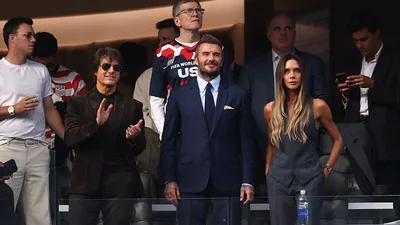
The FIFA World Cup 2026 is preparing for a spectacular finale as FIFA has unveiled ambitious plans for the tournament’s closing ceremony ahead of the final at New York New Jersey Stadium. After more than a month of football drama across the United States, Canada, and Mexico, the world’s biggest sporting event will conclude with a global entertainment showcase designed to celebrate the historic first-ever 48-team World Cup.
With football, music, cinema, and digital culture coming together on one stage, FIFA is aiming to transform the final into a worldwide cultural event rather than simply a football match. The ceremony promises to blend sport and entertainment on an unprecedented scale, reflecting the tournament’s status as one of the most watched events on the planet.
The announcement of Hollywood superstar Tom Cruise’s special appearance has generated particular excitement, highlighting FIFA’s growing strategy of turning major football events into global entertainment spectacles capable of attracting audiences far beyond traditional football fans.
FIFA World Cup 2026 Final Ceremony: Key Details
| Event | Details |
|---|---|
| Tournament | FIFA World Cup 2026 |
| Occasion | Closing Ceremony and Final |
| Date | July 19, 2026 (Local Time) |
| India Timing | July 20, 2026 |
| Venue | New York New Jersey Stadium |
| Ceremony Start | 11:00 PM IST |
| Kick-Off | 90 Minutes After Ceremony Begins |
| Special Appearance | Tom Cruise |
| National Anthem Performer | Jennifer Hudson |
Why FIFA Is Turning the Final Into a Global Entertainment Event
Football’s popularity has never been greater, but modern sporting organizations increasingly recognize that major events must appeal to broader audiences. The FIFA World Cup already attracts billions of viewers, yet FIFA continues searching for ways to expand its cultural footprint.
The 2026 tournament represented a historic milestone as the first World Cup featuring 48 nations. Organizers have therefore viewed the competition not merely as a sporting event but as a celebration of global diversity, culture, and entertainment.
By inviting internationally recognized figures from film, music, and digital media, FIFA is ensuring that the final becomes a global spectacle capable of attracting fans from multiple generations and backgrounds.
This strategy mirrors trends seen in other major sporting events, where entertainment components increasingly play a central role in enhancing audience engagement.
Tom Cruise’s Appearance Adds Hollywood Glamour
Among all the announced guests, Tom Cruise’s participation has arguably generated the biggest headlines.
Few actors possess the global recognition and cross-generational appeal of the Hollywood icon. Known for blockbuster franchises and spectacular action sequences, Cruise has remained one of the world’s most bankable stars for decades.
His involvement demonstrates FIFA’s ambition to elevate the World Cup final beyond sport and position it as a cultural event comparable to the Olympics, the Super Bowl, or major international award ceremonies.
Although details regarding his exact role remain limited, FIFA’s decision to include Cruise reflects the increasing intersection between sports and entertainment in the modern media landscape.
Jennifer Hudson to Deliver One of the Ceremony’s Most Emotional Moments
Before the finalists take the field, Academy Award-winning singer and actress Jennifer Hudson will perform the United States national anthem.
Hudson’s selection adds considerable prestige to the occasion.
Her career achievements place her among a select group of entertainers who have won Emmy, Grammy, Oscar, and Tony awards. Such accomplishments reflect not only exceptional talent but also widespread appeal across multiple entertainment industries.
National anthem performances often become defining moments of major sporting events, and Hudson’s appearance is expected to provide one of the ceremony’s most memorable highlights.
A Truly International Music Lineup
The closing ceremony’s musical lineup reflects the global nature of the FIFA World Cup.
Rather than focusing on a single genre or region, FIFA has assembled performers from different parts of the world to emphasize football’s universal appeal.
- Laura Pausini – Internationally acclaimed Italian singer.
- Nicole Scherzinger – Global pop star and former Pussycat Dolls frontwoman.
- Robbie Williams – One of Britain’s most successful music artists.
- IShowSpeed – Internet sensation with a massive global following.
- Jennifer Hudson – Award-winning singer and actress.
The diversity of performers highlights FIFA’s objective of creating a ceremony that resonates with audiences across continents.
Why IShowSpeed’s Inclusion Reflects Football’s Digital Future
One of the most interesting additions to the lineup is IShowSpeed.
Unlike traditional entertainers, Speed rose to fame primarily through digital platforms and online content creation. His enormous popularity among younger audiences reflects the changing way sports fans consume content.
Football organizations increasingly recognize the influence of digital creators in reaching younger demographics. By including one of the internet’s most recognizable personalities, FIFA is acknowledging the growing role that online communities play in shaping global football culture.
This move signals a broader shift toward integrating traditional sports with modern digital entertainment ecosystems.
The Significance of the First 48-Team World Cup
The FIFA World Cup 2026 will be remembered for more than its closing ceremony.
It marked the beginning of a new era with the tournament’s expansion from 32 to 48 teams.
The larger format created opportunities for additional nations to participate, increasing representation from every continent and making the competition more inclusive than ever before.
For FIFA, the closing ceremony serves as a celebration of this historic milestone and the successful completion of one of the most ambitious projects in football history.
The event is expected to pay tribute to all participating nations and the unique stories that emerged throughout the tournament.
How the Ceremony Reflects Football’s Global Power
Few events possess the ability to unite cultures, languages, and nations quite like the FIFA World Cup.
The tournament attracts audiences from virtually every corner of the globe, making it one of the most powerful cultural platforms in existence.
The closing ceremony’s emphasis on music, entertainment, and international collaboration reflects football’s unique ability to bring people together.
In many ways, the ceremony serves as a visual representation of the values FIFA seeks to promote: diversity, inclusion, unity, and shared passion.
What Fans Can Expect Inside the Stadium
Supporters attending the final will experience far more than just a football match.
FIFA has planned an extensive pre-match program designed to maximize fan engagement throughout the day.
- Interactive fan zones.
- Exclusive entertainment experiences.
- Special activations and exhibitions.
- Reward programs and giveaways.
- Live performances before kickoff.
These activities are intended to transform the final into a full-day celebration rather than a standalone sporting event.
The Semifinalists Still Chasing History
While attention is already turning toward the final, four nations remain focused on securing their place in football’s biggest match.
France, Spain, England, and argentina have emerged as the tournament’s semifinalists after navigating one of the most competitive World Cups in recent memory.
Each team brings a compelling storyline:
- France seek another World Cup triumph led by Kylian Mbappe.
- Spain aim to complete their resurgence under a new generation of stars.
- England hope to end decades of World Cup frustration.
- Argentina continue their pursuit of glory with Lionel Messi.
The eventual finalists will have the opportunity to perform on a stage unlike any previous World Cup final.
Comparison: How FIFA Finals Have Evolved Over the Years
| Era | Primary Focus | Entertainment Scale |
|---|---|---|
| Early World Cups | Football only | Minimal |
| 1990s–2000s | Football with cultural elements | Moderate |
| 2010s | Global entertainment integration | High |
| World Cup 2026 | Full-scale sports and entertainment spectacle | Historic |
The evolution demonstrates how the World Cup has transformed from a sporting competition into one of the world’s largest cultural events.
Prediction: A Record-Breaking Global Audience
Given the star power involved and the significance of the final, FIFA World Cup 2026 is expected to attract one of the largest global audiences in sports history.
The combination of elite football, celebrity appearances, internationally recognized performers, and digital influencers creates a formula designed to maximize worldwide engagement.
Regardless of which teams reach the final, the event is positioned to become one of the defining moments of the sporting year.
Conclusion
The FIFA World Cup 2026 closing ceremony is shaping up to be one of the most ambitious and star-studded celebrations ever staged before a football final. With Tom Cruise, Jennifer Hudson, Robbie Williams, Nicole Scherzinger, Laura Pausini, and IShowSpeed among the featured guests, FIFA is combining sport, entertainment, and culture on an unprecedented scale.
More importantly, the ceremony will celebrate the conclusion of the first-ever 48-team World Cup, a tournament that expanded football’s global reach and created new opportunities for nations across the world. As fans await the crowning of the next world champion, the final promises to deliver not only elite football but also a memorable entertainment spectacle worthy of the world’s biggest sporting event.
For breaking news and live news updates, like us on Facebook or follow us on Twitter and Instagram. Read more on Latest Sports on thefoxdaily.com.






COMMENTS 0