In elite cricket, scorecards often dominate conversations. Runs, wickets, strike rates, averages, and milestones typically define how performances are evaluated. However, some of the qualities that shape successful teams rarely appear in statistics. Commitment during training sessions, positive body language, relentless effort, and the willingness to put team objectives ahead of individual achievements often remain unnoticed by fans.
VVS Laxman is attempting to change that.
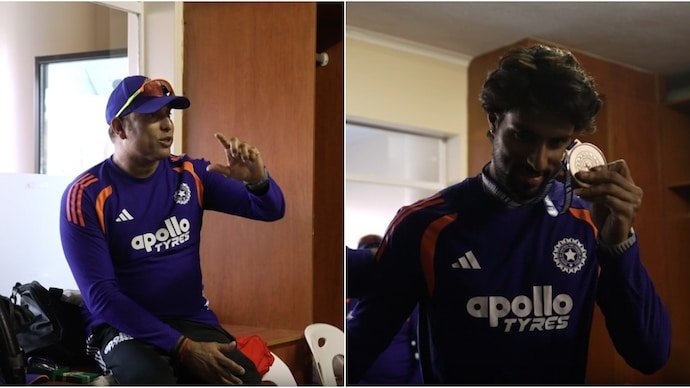
During India’s T20I tour of Zimbabwe, the former Indian batting great introduced a new initiative called the Best Attitude Award, a recognition designed to reward players who demonstrate exceptional commitment, professionalism, and team spirit.
The first recipient was Tilak Varma, whose contribution extended far beyond the numbers recorded on the scoreboard. The award signals an important shift in how Indian cricket is encouraging players to think about performance and success.
More importantly, it offers a glimpse into the culture that team management hopes to build as a new generation of Indian cricketers emerges.
Why VVS Laxman Introduced the Best Attitude Award
Modern cricket has become increasingly data-driven. Every aspect of a player’s performance can be measured, analyzed, and compared.
While analytics provide valuable insights, they cannot fully capture qualities such as leadership, discipline, resilience, and work ethic.
Laxman’s initiative appears to address that gap.
Rather than focusing exclusively on batting heroics, bowling brilliance, or fielding highlights, the award recognizes the behaviors that contribute to long-term team success.
By publicly rewarding attitude, the coaching staff is sending a clear message: talent alone is not enough.
The most successful teams are often built around players who consistently demonstrate professionalism and commitment regardless of whether they are in the spotlight.
Why Tilak Varma Was Chosen as the First Winner
At first glance, Tilak Varma’s match statistics did not immediately suggest an award-winning performance.
He was not the highest scorer. He did not take a match-defining wicket. Nor did he produce a spectacular fielding moment that dominated headlines.
Yet those details were precisely why he was selected.
The support staff highlighted his dedication during training, intensity during preparation, and willingness to maintain high standards regardless of the situation.
According to team management, Tilak consistently pushed himself both on and off the field, displaying the kind of professional attitude that coaches value deeply.
This approach reflects a broader philosophy in elite sport: habits often matter more than isolated performances.
The Evolution of Team Culture in Indian Cricket
Indian cricket has undergone a remarkable transformation over the past two decades.
While talent has always existed in abundance, modern Indian teams place increasing emphasis on culture, fitness, preparation, and accountability.
Several factors have contributed to this evolution:
- Improved fitness standards.
- Greater focus on sports science.
- Professionalized support structures.
- Leadership development programs.
- Enhanced mental conditioning.
- Performance-driven team environments.
The introduction of the Best Attitude Award fits naturally into this progression.
It reinforces the idea that successful teams are built through consistent behaviors rather than occasional brilliance.
Why Attitude Matters as Much as Skill in Modern Cricket
One of the most significant statements made during the award presentation was Laxman’s assertion that attitude is equivalent to skill.
That belief is increasingly supported across professional sports.
Technical ability may help athletes reach elite levels, but maintaining success often depends on qualities that cannot easily be measured.
These include:
- Mental toughness.
- Work ethic.
- Adaptability.
- Consistency.
- Resilience under pressure.
- Willingness to learn.
Many athletes possess exceptional talent. Far fewer sustain elite performance over long periods.
The difference is frequently found in attitude.
A Leadership Move That Reflects Laxman’s Philosophy
Throughout his playing career, VVS Laxman earned a reputation for composure, professionalism, and selflessness.
He was known not only for memorable innings but also for his ability to contribute in ways that sometimes escaped public attention.
His coaching approach appears to reflect those same values.
By rewarding attitude, Laxman is emphasizing qualities that he personally embodied during his international career.
This leadership style focuses on building sustainable habits rather than chasing short-term results.
Such an approach can be particularly valuable in young squads where players are still developing their professional identities.
The Hidden Contributions That Scorecards Miss
One of the most interesting aspects of the award is its focus on contributions that traditional statistics cannot capture.
Cricket scorecards provide valuable information, but they often miss important details.
| Visible Contribution | Hidden Contribution |
|---|---|
| Runs Scored | Training Intensity |
| Wickets Taken | Positive Team Energy |
| Catches Held | Helping Teammates Improve |
| Strike Rate | Preparation and Recovery |
| Match Awards | Consistency of Effort |
Elite teams understand that these hidden contributions often determine success over the course of a season or tournament.
The Best Attitude Award shines a spotlight on those often-overlooked elements.
How Successful Sports Teams Use Similar Concepts
The idea of rewarding attitude is not unique to cricket.
Many successful organizations across sports use internal recognition systems to reinforce desired behaviors.
Football clubs celebrate training standards. Basketball teams reward defensive effort. Rugby squads recognize selfless contributions that may not appear in match statistics.
The objective is always the same: create a culture where players value the process as much as the outcome.
By introducing this concept, India’s coaching staff is aligning with practices commonly used by high-performing teams around the world.
Tilak Varma’s Growing Importance to India
The award also highlights Tilak Varma’s increasing influence within India’s white-ball setup.
Still early in his international journey, the left-handed batter has already established a reputation as one of the country’s most promising young talents.
His technical ability has attracted attention, but coaches appear equally impressed by his approach to preparation and development.
These qualities are often what separate talented players from future leaders.
Receiving the inaugural award may therefore carry significance beyond a single series.
It reflects the trust that team management places in his professionalism.
India’s Zimbabwe Victory and the Perfect Backdrop
The launch of the award coincided with a positive result on the field.
India opened the T20I series with a convincing victory, ending a difficult run of results and generating fresh momentum.
Several performances stood out:
- Mayank Yadav’s successful return.
- Strong contributions from the pace attack.
- Disciplined bowling throughout the innings.
- Aggressive batting during the chase.
- Young players embracing responsibility.
The victory provided an ideal environment for introducing a culture-focused initiative because it demonstrated that strong attitudes and positive results can reinforce one another.
The Vaibhav Sooryavanshi Factor
Another major storyline from the match was the remarkable performance of Vaibhav Sooryavanshi.
The young batter’s record-breaking half-century generated widespread excitement and highlighted the depth of India’s emerging talent pool.
While performances like his naturally dominate headlines, the Best Attitude Award serves as a reminder that sustainable success requires more than talent alone.
Young players entering international cricket must develop habits capable of supporting long careers.
Laxman’s initiative may play an important role in reinforcing those standards.
Why Culture Could Become India’s Competitive Advantage
India already possesses enormous advantages in terms of talent depth, infrastructure, and resources.
However, the world’s best teams increasingly recognize that culture can become the ultimate differentiator.
A strong culture creates:
- Higher accountability.
- Better communication.
- Improved resilience.
- Stronger team unity.
- More consistent performances.
If initiatives like the Best Attitude Award help reinforce these qualities, the long-term benefits could extend well beyond a single series.
Could This Become a Permanent Feature?
The positive response to the award raises an interesting possibility.
If players embrace the concept and management sees tangible benefits, similar recognition programs could become a regular part of India’s team culture.
Over time, such awards can influence behavior by encouraging players to focus on controllable aspects of performance rather than obsessing over outcomes.
That shift in mindset often produces more sustainable success.
Conclusion
VVS Laxman’s introduction of the Best Attitude Award may appear like a small gesture, but it reflects a much bigger idea about what creates successful teams. By rewarding effort, professionalism, and commitment alongside traditional performance metrics, India’s coaching staff is emphasizing values that often determine long-term success.
Tilak Varma’s selection as the inaugural winner highlights the importance of consistency and work ethic, qualities that rarely make headlines but frequently shape careers. The award also provides insight into the type of culture India hopes to build as a new generation of players establishes itself on the international stage.
In a sport increasingly dominated by statistics and analysis, the initiative serves as a reminder that attitude remains one of the most valuable assets any athlete can possess. And if the early response is any indication, this could become one of the most meaningful additions to India’s team environment in years.
For breaking news and live news updates, like us on Facebook or follow us on Twitter and Instagram. Read more on Latest Sports on thefoxdaily.com.






COMMENTS 0