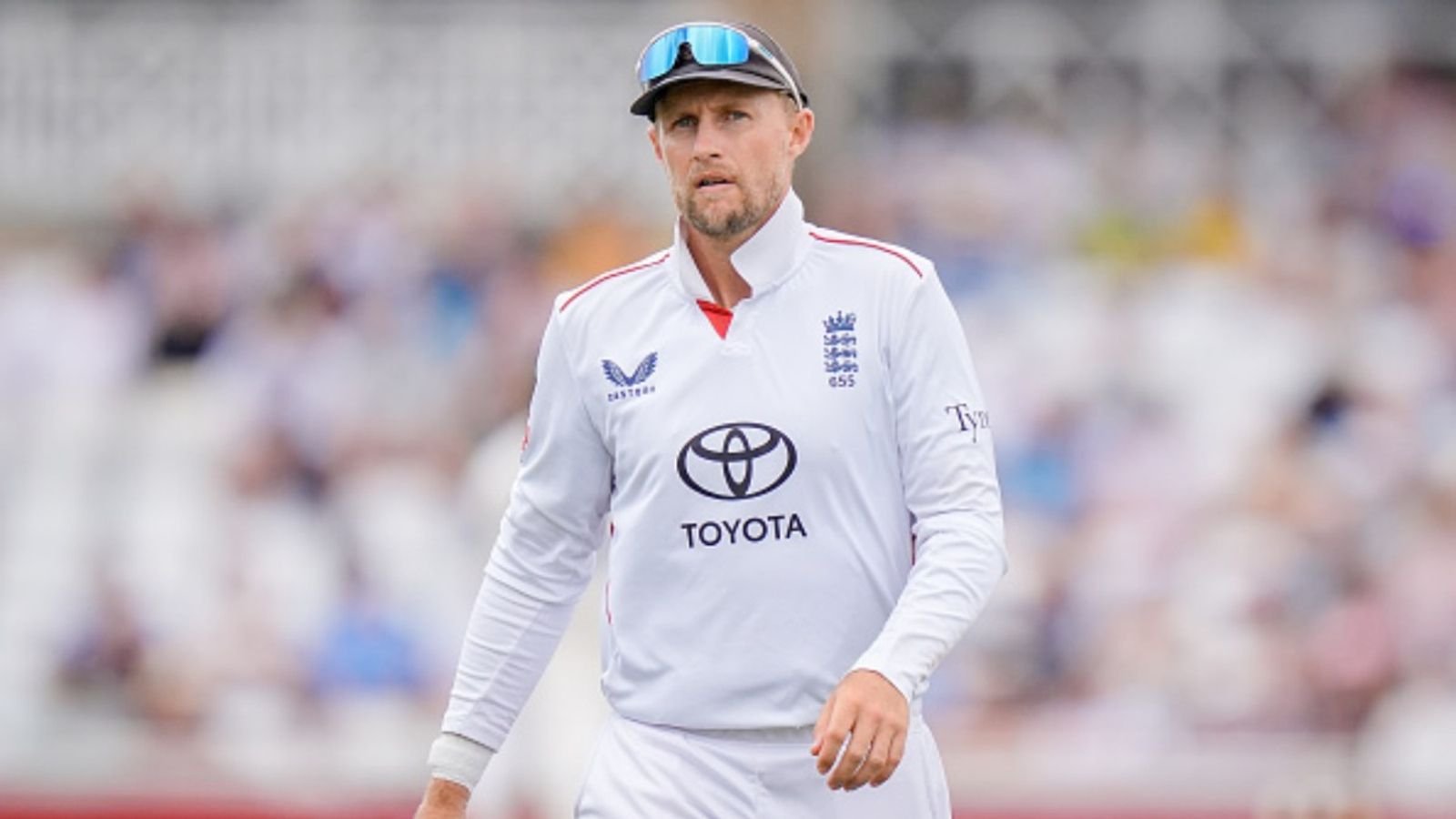
England Cricket has made one of its biggest leadership decisions in recent years by reappointing Joe Root as Test captain, choosing the experienced batter over rising star Harry Brook. The appointment comes ahead of England’s three-match home Test series against pakistan and marks Root’s return to the role after stepping down in 2022.
The move surprised many observers who expected Brook—already leading England’s white-ball sides—to take charge of the Test team. However, England and Wales Cricket Board (ECB) Managing Director Rob Key believes the timing is not yet right for Brook and that Root’s experience, combined with the arrival of new Test head coach Stephen Fleming, provides England with the strongest possible leadership combination.
The decision also signals that the ECB is prioritizing stability as England enters a crucial period that includes major Test series and preparations for future international tournaments.
Why Joe Root Was Chosen Over Harry Brook
Rob Key made it clear that England’s decision was not a rejection of Harry Brook’s leadership qualities. Instead, it reflected the belief that captaincy in Test cricket demands experience, maturity and the right circumstances.
According to Key, Brook remains an important part of England’s long-term leadership plans, but taking charge of all three international formats simultaneously could place enormous pressure on one of the country’s most valuable young batters.
Joe Root, meanwhile, brings years of captaincy experience, an exceptional understanding of Test cricket and the respect of teammates who have shared dressing rooms with him through multiple eras of English cricket.
By choosing Root now, the ECB believes it can protect Brook’s development while ensuring England remains competitive in the immediate future.
Rob Key: “This Feels the Right Time for Joe Root”
Explaining the appointment, Rob Key emphasized that timing played the biggest role in the ECB’s decision-making process.
“It’s just too soon for Harry Brook. This feels the right time for Joe Root.”
Key also highlighted that Root will now captain England under very different circumstances compared to his first tenure. During his previous spell, he faced leadership challenges both on and off the field, often carrying the dual burden of being England’s leading batter while guiding a team searching for consistency.
With a stronger support structure now in place, the ECB believes Root can focus on leading the team without many of the distractions that affected his earlier captaincy.
The Stephen Fleming Factor
One of the biggest reasons behind Root’s appointment is the arrival of former New Zealand captain Stephen Fleming as England’s new Test head coach.
Fleming replaces Brendon McCullum and brings decades of leadership experience as both an international captain and one of the most successful coaches in franchise cricket.
Rob Key revealed that extensive discussions with Fleming played a significant role before finalizing the captaincy decision. The ECB believes Root and Fleming possess complementary leadership styles capable of guiding England through the next phase of Test cricket.
The combination pairs one of England’s greatest modern batters with one of cricket’s most respected tactical minds—a partnership that could shape England’s red-ball future.
Joe Root’s First Captaincy vs Second Opportunity
Joe Root’s return is not simply a repeat of the past. Several factors have changed since he relinquished the captaincy in 2022.
| First Captaincy Spell | Second Captaincy Spell |
|---|---|
| Team rebuilding phase | More settled Test squad |
| Frequent leadership pressure | Experienced coaching support |
| Heavy expectations as captain and leading batter | Clearer leadership structure |
| Limited tactical support | Partnership with Stephen Fleming |
The ECB believes these differences provide Root with a stronger platform to succeed than during his previous tenure.
Why Harry Brook Wasn’t Given the Job Yet
Harry Brook is widely regarded as one of the brightest talents in world cricket. His aggressive batting style and growing leadership responsibilities in white-ball cricket have already established him as a future captain.
However, the ECB appears determined not to rush his development.
Leading England in Tests involves far more than making tactical decisions on the field. Captains manage player workloads, media responsibilities, selection discussions and long-term planning while continuing to perform with the bat.
Allowing Brook additional time to mature could ultimately benefit both the player and the national team.
Is England Preparing Harry Brook for the Future?
Rob Key’s comments strongly suggest that Harry Brook remains England’s long-term choice for Test captaincy.
Rather than overlooking him, the ECB appears to be following a succession plan that allows Brook to gain further experience while continuing to lead in white-ball cricket.
This approach reduces immediate pressure and gives him the opportunity to learn from both Joe Root and Stephen Fleming before eventually taking over the Test side.
Leadership transitions often prove more successful when they are carefully planned instead of being rushed during periods of uncertainty.
Joe Root’s Experience Could Be England’s Biggest Strength
Few active cricketers possess the experience Joe Root brings to the captaincy.
- Hundreds of international appearances across formats.
- Extensive Test captaincy experience.
- One of England’s greatest-ever Test batters.
- Strong understanding of home and overseas conditions.
- Respected by teammates and opponents alike.
These qualities provide England with leadership stability ahead of several demanding Test assignments.
England’s Immediate Challenges
The timing of Root’s appointment is significant because England faces a demanding Test schedule over the coming months.
| Series | Venue | Format |
|---|---|---|
| England vs Pakistan | England | 3 Tests |
| England vs South Africa | South Africa | 3 Tests |
The Pakistan series will provide the first opportunity to evaluate the new leadership combination of Root and Fleming before England faces the challenge of touring South Africa later in the year.
What This Means for England’s Test Future
The ECB’s decision suggests that winning immediately remains the priority while also preparing for the next generation of leadership.
Rather than forcing a transition, England has opted for continuity by selecting an experienced captain who understands the demands of Test cricket. At the same time, Brook continues to develop without carrying the additional burden of leading the side across multiple formats.
This balanced approach reflects modern cricket’s growing emphasis on workload management and long-term planning.
Can Joe Root Thrive in His Second Spell?
History has shown that second captaincy stints can sometimes produce better results than the first. Experienced leaders often return with greater perspective, improved tactical understanding and fewer external pressures.
For Root, this second opportunity arrives with a stronger coaching structure, a settled batting position and the benefit of previous leadership experience.
If England performs consistently over the next two years, this decision could eventually be viewed as one of the ECB’s most important strategic moves.
Conclusion
Joe Root’s return as England Test captain is about far more than replacing one leader with another. It reflects a carefully considered strategy built around experience, stability and long-term succession planning.
Rob Key’s explanation makes it clear that Harry Brook remains central to England’s future, but the ECB believes the moment is better suited to Root’s leadership and his partnership with new head coach Stephen Fleming.
With important Test series against Pakistan and South Africa approaching, England will now hope that one of the country’s greatest batters can once again inspire the team—this time with the benefit of greater experience, a stronger support system and a clearer vision for the future of English Test cricket.
For breaking news and live news updates, like us on Facebook or follow us on Twitter and Instagram. Read more on Latest Sports on thefoxdaily.com.






COMMENTS 0