Few moments in sport rival the image of a World Cup-winning captain lifting football’s most coveted prize into the night sky. From Pelé and Franz Beckenbauer to Diego Maradona, Zinedine Zidane, Iker Casillas, Lionel Messi, and countless other legends, the FIFA World Cup Trophy has become one of the most recognizable symbols in global sport.
Yet there is a fascinating detail that surprises many football fans: the trophy seen during the celebration is not the one that ultimately remains with the champions.
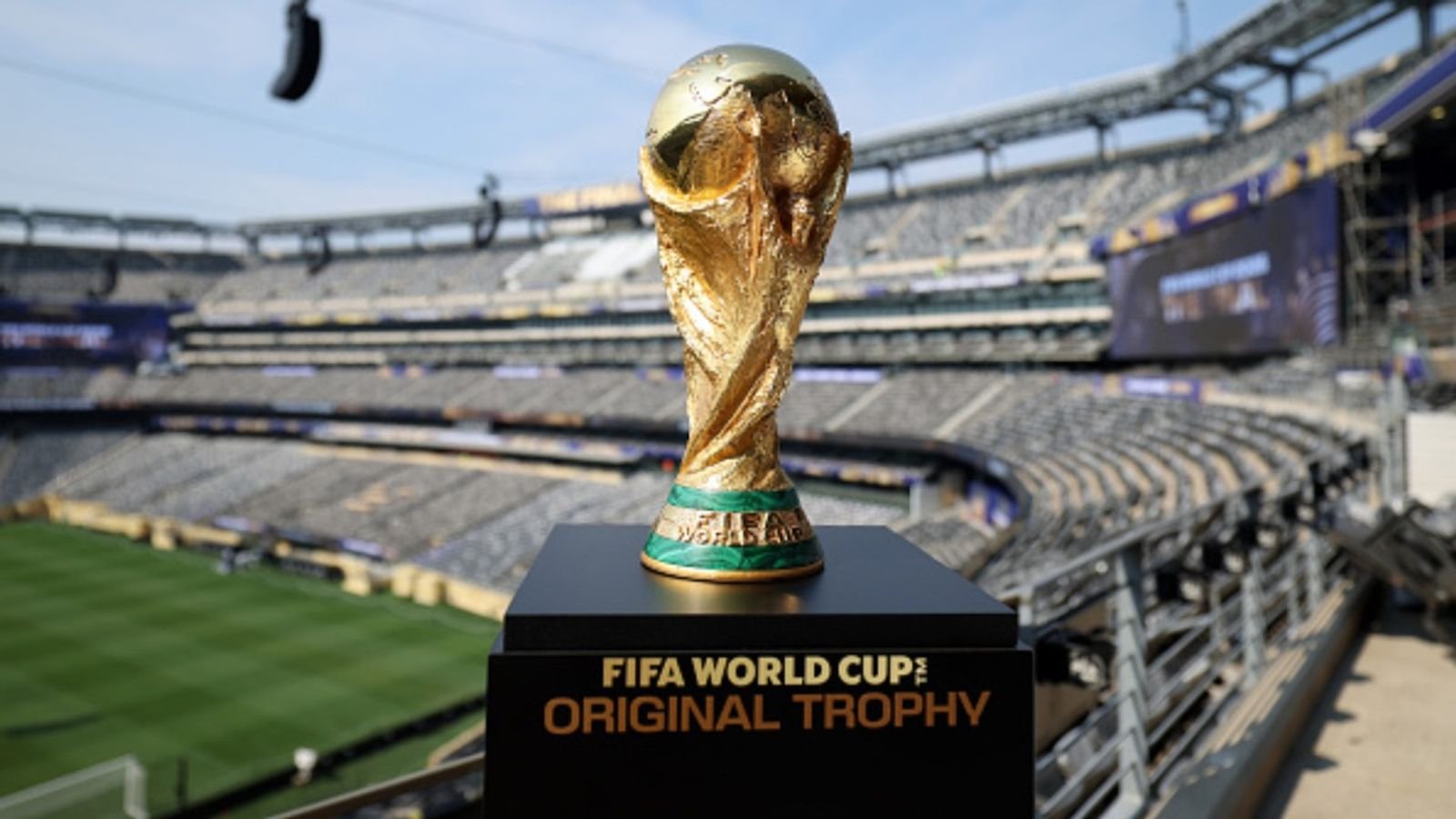
After the confetti settles and the victory parade ends, the original FIFA World Cup Trophy returns to FIFA’s custody. The winning nation instead receives an officially authorized gold-plated replica.
This unique policy has helped preserve one of sport’s most valuable and historically significant artifacts while ensuring that every champion retains a lasting symbol of its achievement.
Why FIFA Does Not Allow Nations to Keep the Original World Cup Trophy
The simple answer is preservation.
The FIFA World Cup Trophy is far more than a sporting prize. It is a global cultural artifact representing nearly a century of Football History, legendary players, unforgettable finals, and billions of fans worldwide.
Allowing the original trophy to permanently leave FIFA’s control would expose it to numerous risks, including:
- Damage during transport or celebrations.
- Potential theft.
- Long-term deterioration.
- Loss of historical preservation standards.
- Security concerns due to its immense value.
As a result, FIFA retains permanent ownership of the original trophy regardless of who wins the tournament.
The champions are permitted to celebrate with the authentic trophy immediately after the final before receiving a specially produced replica to keep.
What Happens After the Trophy Presentation Ceremony?
The process is carefully managed.
Immediately following the World Cup final, the winning captain receives the original FIFA World Cup Trophy during the official ceremony.
Players celebrate with the genuine trophy, take photographs, participate in media activities, and complete post-match festivities.
Once the celebrations conclude, FIFA retrieves the original trophy and returns it to secure storage.
The champions later receive an officially sanctioned replica bearing the identity of the winning nation.
This replica becomes the version displayed in museums, federation headquarters, and national football exhibitions.
Is the Original FIFA World Cup Trophy Made of Real Gold?
Yes.
Unlike many sporting trophies that are primarily silver, plated metal, or composite materials, the FIFA World Cup Trophy contains genuine gold.
| Feature | FIFA World Cup Trophy |
|---|---|
| Material | 18-Karat Gold |
| Height | 36.8 cm |
| Weight | 6.2 kg |
| Designer | Silvio Gazzaniga |
| Introduced | 1974 FIFA World Cup |
The trophy depicts two human figures triumphantly lifting the globe, symbolizing football’s universal appeal and humanity’s collective passion for the sport.
Its design has become one of the most iconic visual symbols in modern athletics.
The Hidden Value of the FIFA World Cup Trophy
While the trophy’s gold content contributes significantly to its worth, its true value extends far beyond raw materials.
Because of its unique historical significance, the trophy is considered virtually priceless.
It represents:
- Every FIFA World Cup since 1974.
- The achievements of football’s greatest nations.
- Generations of legendary players.
- The world’s most-watched sporting event.
- A cultural symbol recognized across every continent.
Its historical and symbolic importance makes it one of the most protected trophies in the world.
The Story of the Original Jules Rimet Trophy
Before the modern FIFA World Cup Trophy existed, winners competed for the Jules Rimet Trophy.
Named after former FIFA President Jules Rimet, the trophy was awarded from the inaugural World Cup in 1930 until 1970.
Designed by French sculptor Abel Lafleur, it featured Nike, the ancient Greek goddess of victory.
| Jules Rimet Trophy Facts | Details |
|---|---|
| Introduced | 1930 |
| Designer | Abel Lafleur |
| Height | 35 cm |
| Weight | 3.8 kg |
| Material | Gold-Plated Silver |
The trophy quickly became one of football’s most cherished prizes and witnessed some of the sport’s earliest legendary moments.
Why Brazil Permanently Kept the Jules Rimet Trophy
The rules governing the Jules Rimet Trophy differed from those of the current World Cup Trophy.
At the time, FIFA had established a special condition:
Any nation that won the World Cup three times would gain permanent possession of the trophy.
Brazil achieved that milestone in 1970 after winning its third World Cup title.
The triumph secured permanent ownership of the Jules Rimet Trophy and marked the end of an era.
As a result, FIFA needed a completely new trophy design for future tournaments.
Which Nations Won the Jules Rimet Trophy Era World Cups?
| Nation | World Cup Titles During Jules Rimet Era |
|---|---|
| Uruguay | 1930, 1950 |
| Italy | 1934, 1938 |
| West Germany | 1954 |
| Brazil | 1958, 1962, 1970 |
| England | 1966 |
Brazil’s third title triggered one of the most important transitions in football history, paving the way for the trophy recognized today.
How the Modern FIFA World Cup Trophy Was Created
Following Brazil’s permanent acquisition of the Jules Rimet Trophy, FIFA organized a competition to design a new prize.
The winning concept came from renowned Italian sculptor Silvio Gazzaniga.
His design captured the emotion of victory by portraying two athletes lifting the Earth toward the heavens.
The result was both artistic and symbolic, reflecting football’s status as a truly global game.
The trophy debuted at the 1974 FIFA World Cup and has remained unchanged ever since.
Which Nations Have Lifted the Modern FIFA World Cup Trophy?
Since 1974, only a select group of football powers have had the privilege of lifting the current trophy.
- Germany
- Argentina
- Italy
- Brazil
- France
- Spain
Each champion briefly celebrates with the original trophy before receiving its official replica.
This tradition has become an integral part of FIFA World Cup history.
Why FIFA’s Trophy Policy Makes Sense Today
In an era of global media coverage, heightened security concerns, and immense commercial value, protecting the original trophy has become more important than ever.
The FIFA World Cup Trophy travels extensively for promotional events, museum exhibitions, sponsor activities, and official ceremonies.
Maintaining centralized control allows FIFA to:
- Protect the trophy’s condition.
- Preserve historical continuity.
- Ensure consistent security standards.
- Prevent accidental damage.
- Maintain its status as football’s ultimate symbol.
The policy ensures future generations can continue experiencing the same iconic trophy that has crowned champions for more than five decades.
A Unique Insight: The Trophy Is Bigger Than Any One Nation
The most interesting aspect of FIFA’s replica policy is its symbolism.
Unlike domestic league trophies that belong to clubs, the World Cup Trophy represents the entire history of international football.
It belongs not to a single champion but to the sport itself.
Every winning nation becomes part of that story, yet no nation owns the story permanently.
This approach reinforces the idea that the FIFA World Cup transcends generations, players, and countries.
The champions may change every four years, but the trophy remains a constant symbol of football’s greatest dream.
What Will Happen After the FIFA World Cup 2026 Final?
When Argentina and Spain step onto the field for the FIFA World Cup 2026 final, the winning captain will experience the same unforgettable moment shared by football legends throughout history.
The victorious team will lift the original FIFA World Cup Trophy before a global audience of billions.
Players will celebrate, pose for photographs, and create memories that will last forever.
But once the celebrations conclude, the original trophy will return to FIFA’s secure custody.
The new champions will then receive their gold-plated replica—a permanent reminder of their achievement and their place in football history.
Conclusion
The reason FIFA World Cup winners receive a replica instead of the original trophy comes down to preserving one of the most valuable and historically significant symbols in global sport. While champions briefly celebrate with the authentic 18-karat gold trophy, FIFA retains permanent ownership to protect its legacy for future generations.
From the days of the Jules Rimet Trophy to the modern masterpiece designed by Silvio Gazzaniga, the World Cup Trophy has evolved into far more than a prize. It represents the dreams of nations, the achievements of legends, and the enduring power of football to unite the world. That is precisely why the original remains under FIFA’s protection, while every champion takes home a replica—and a place in history that no replica can ever diminish.
For breaking news and live news updates, like us on Facebook or follow us on Twitter and Instagram. Read more on Latest Sports on thefoxdaily.com.





COMMENTS 0