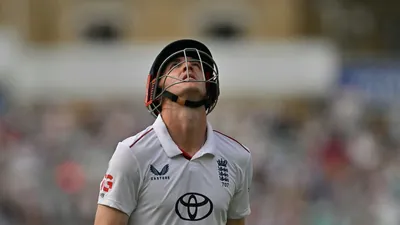
England’s decision to appoint Joe Root as Test captain once again instead of handing the role to Harry Brook has become one of the biggest talking points in international cricket. With Ben Stokes stepping down from the position, many expected Brook—already England’s white-ball captain and a central figure in the team’s leadership group—to naturally take over the Test side.
Instead, the England and Wales Cricket Board (ECB) opted for experience, bringing Root back to the role he previously held for several years. The decision immediately sparked debate among fans and experts about England’s long-term succession planning, Brook’s leadership future, and whether the selectors missed an opportunity to begin a new era.
ECB selector Marcus North has now explained the thinking behind the decision, emphasizing that it is not a rejection of Brook’s leadership credentials but rather a strategic move designed to protect one of England’s brightest cricketing talents while maximizing his impact across formats.
Why Did England Choose Joe Root Instead of Harry Brook?
Marcus North made it clear that England’s selectors continue to view Harry Brook as one of the country’s future leaders. However, they believe asking him to captain all three international formats at this stage of his career would create unnecessary pressure.
According to North, Brook’s leadership has developed significantly since taking charge of England’s white-ball teams. Under his captaincy, England enjoyed success in both T20Is and ODIs, establishing themselves among the world’s strongest limited-overs sides.
Rather than accelerating Brook’s responsibilities, the selectors believe allowing him to focus on white-ball cricket while continuing to grow as a leader represents the smarter long-term strategy.
“Leading in all three formats is a huge ask for any captain,” Marcus North said while explaining the ECB’s decision.
Joe Root’s Experience Played a Major Role
Although Root’s first tenure as England’s Test captain produced mixed results, his experience remains invaluable. Few players understand the demands of Test cricket better than Root, who has spent more than a decade as one of the world’s premier batters.
The selectors appear to believe that his familiarity with leadership, combined with his understanding of England’s dressing room, makes him the safest choice during an important transition period following Ben Stokes’ retirement.
Instead of immediately beginning another leadership experiment, England has prioritized continuity while preparing Brook for a potentially longer captaincy tenure in the future.
Harry Brook’s Leadership Journey Continues
Brook’s exclusion from the Test captaincy should not be viewed as a setback. In many ways, it reflects the ECB’s confidence in his long-term importance.
At just 27 years old, Brook remains one of the world’s most exciting all-format cricketers. His aggressive batting style, tactical awareness, and calm temperament have already earned praise from teammates and coaches.
North highlighted England’s recent white-ball achievements under Brook, including:
- Strong performances in bilateral ODI series.
- England becoming one of the top-ranked T20I teams.
- Continued preparations for the next ICC ODI World Cup.
- Growing leadership partnership with head coach Brendon McCullum.
These accomplishments suggest the ECB sees Brook as a cornerstone of England’s future rather than someone who has been overlooked.
Balancing Captaincy Across Formats Is Becoming Increasingly Difficult
Modern international cricket presents captains with challenges unlike any previous era. Packed calendars, franchise tournaments, ICC events, and bilateral commitments leave little room for rest.
Captaining across all three formats requires managing:
- Constant tactical preparation.
- Media responsibilities.
- Player management.
- Selection discussions.
- Extensive travel schedules.
- Physical and mental fatigue.
Several cricket boards have increasingly moved toward format-specific leadership to reduce workload and improve performance.
The Growing Trend of Split Captaincy
England’s approach reflects a wider trend in international cricket, where different captains lead different formats to maximize efficiency.
| Leadership Model | Advantages | Challenges |
|---|---|---|
| Single Captain | Unified vision across formats | Heavy workload and burnout risk |
| Split Captaincy | Better workload management and specialization | Requires strong communication between leaders |
With cricket’s schedule becoming more demanding every year, many boards now prioritize sustainable leadership over having one captain control every format.
How Ben Stokes Changed England’s Test Culture
Replacing Ben Stokes was never going to be straightforward.
During his captaincy, England embraced an attacking brand of Test cricket that transformed both results and entertainment value. Alongside head coach Brendon McCullum, Stokes encouraged fearless cricket, aggressive declarations, and positive intent regardless of match situations.
The next captain therefore inherits not only a successful team but also a unique cricketing philosophy.
Joe Root, having played a central role throughout that evolution, already understands the system, making his return less disruptive than introducing a completely new leader.
Marcus North’s Confidence in Brook’s Future
North stressed that Harry Brook remains central to England’s long-term plans.
Instead of viewing the current decision as permanent, selectors consider it part of Brook’s leadership development. Giving him additional time to refine his captaincy in white-ball cricket could ultimately produce a stronger Test leader when the opportunity arrives.
This patient approach also allows Brook to continue developing his batting without the immediate pressure of leading England’s most demanding format.
Why the ODI World Cup Matters
England’s planning extends beyond the immediate Test captaincy debate.
The ECB’s primary focus remains preparing a competitive squad for the next ICC ODI World Cup. Brook already leads England’s white-ball setup and continues working closely with Brendon McCullum to build consistency ahead of the global tournament.
Adding Test captaincy responsibilities during this preparation period could potentially distract from those objectives.
What This Means for England’s Future Leadership
The appointment of Joe Root does not necessarily close the door on Harry Brook becoming Test captain.
Instead, it appears to delay that transition until the ECB believes the timing better suits both Brook and the team’s long-term interests.
If Brook continues developing as both a batter and white-ball captain, he could eventually become one of England’s strongest all-format leaders.
The current arrangement also provides valuable mentorship opportunities, allowing Brook to learn from both Root and Brendon McCullum while gaining additional leadership experience.
Expert Analysis: Was the ECB’s Decision the Right One?
From a strategic perspective, England’s decision carries several advantages.
Joe Root offers stability during a major transition, while Brook avoids the risk of leadership overload at a relatively early stage of his international captaincy career.
Cricket history has shown that excessive captaincy responsibilities can sometimes affect batting performance, particularly for players expected to carry significant scoring burdens.
Protecting Brook’s development may ultimately prove more beneficial than accelerating his promotion.
However, there are also risks. Delaying leadership succession can sometimes postpone the development of the next generation, and England must eventually prepare for life beyond Root.
Comparison: Experience vs Youth
| Factor | Joe Root | Harry Brook |
|---|---|---|
| Experience | Extensive Test captaincy background | Emerging international leader |
| Current Focus | Test cricket | White-ball leadership |
| Workload | Lower overall captaincy burden | Already leading limited-overs teams |
| Future Potential | Short-to-medium term solution | Long-term leadership candidate |
What Fans Should Watch Going Forward
The success of England’s leadership strategy will ultimately be judged by results rather than announcements.
Observers will closely monitor Root’s second spell as Test captain, Brook’s continued development in white-ball cricket, and whether England maintains its competitive edge across formats.
If Brook continues impressing both as a captain and batter, the conversation around England’s Test leadership is likely to return sooner rather than later.
Conclusion
England’s decision to reappoint Joe Root instead of promoting Harry Brook is less about rejecting youth and more about managing one of the country’s most valuable cricketing assets. Marcus North’s explanation highlights a deliberate strategy centered on leadership development, workload management, and long-term planning rather than short-term popularity.
With the ICC ODI World Cup approaching and Brook continuing to mature as England’s white-ball captain, the ECB believes patience will ultimately produce better results. Root provides immediate stability, while Brook remains firmly positioned as a future leader whose opportunity could arrive once the timing is right.
Whether this cautious approach proves successful will depend on England’s performances over the coming years, but one message from the selectors is unmistakable: Harry Brook’s leadership journey is only beginning, not ending.
For breaking news and live news updates, like us on Facebook or follow us on Twitter and Instagram. Read more on Latest Cricket on thefoxdaily.com.






COMMENTS 0