Robot pets have existed for decades, from Tamagotchi and Furby to Sony’s iconic Aibo robotic dog. But Moflin, the AI-powered companion developed by Casio, enters the market with a very different promise: emotional connection without responsibility.
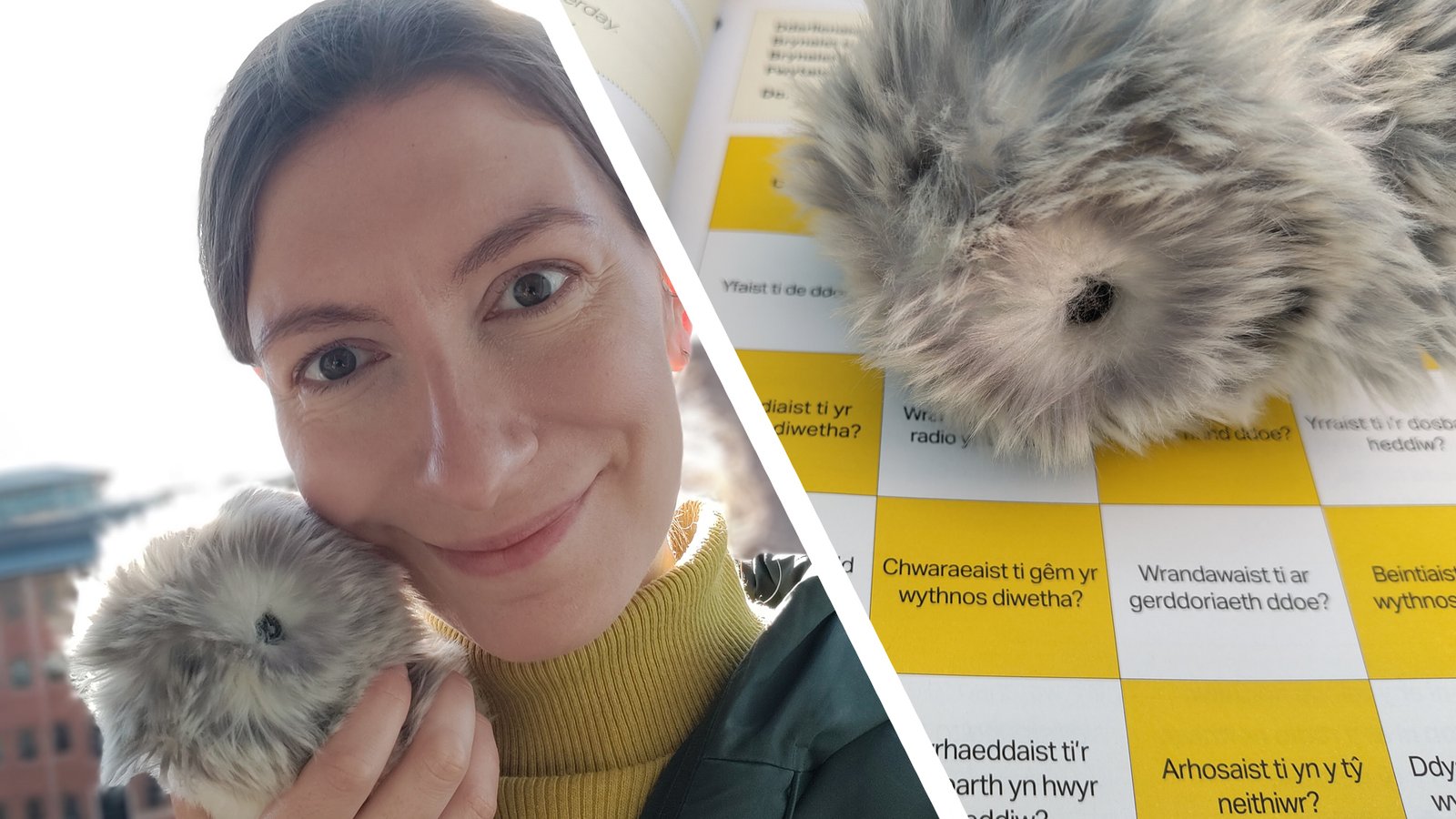
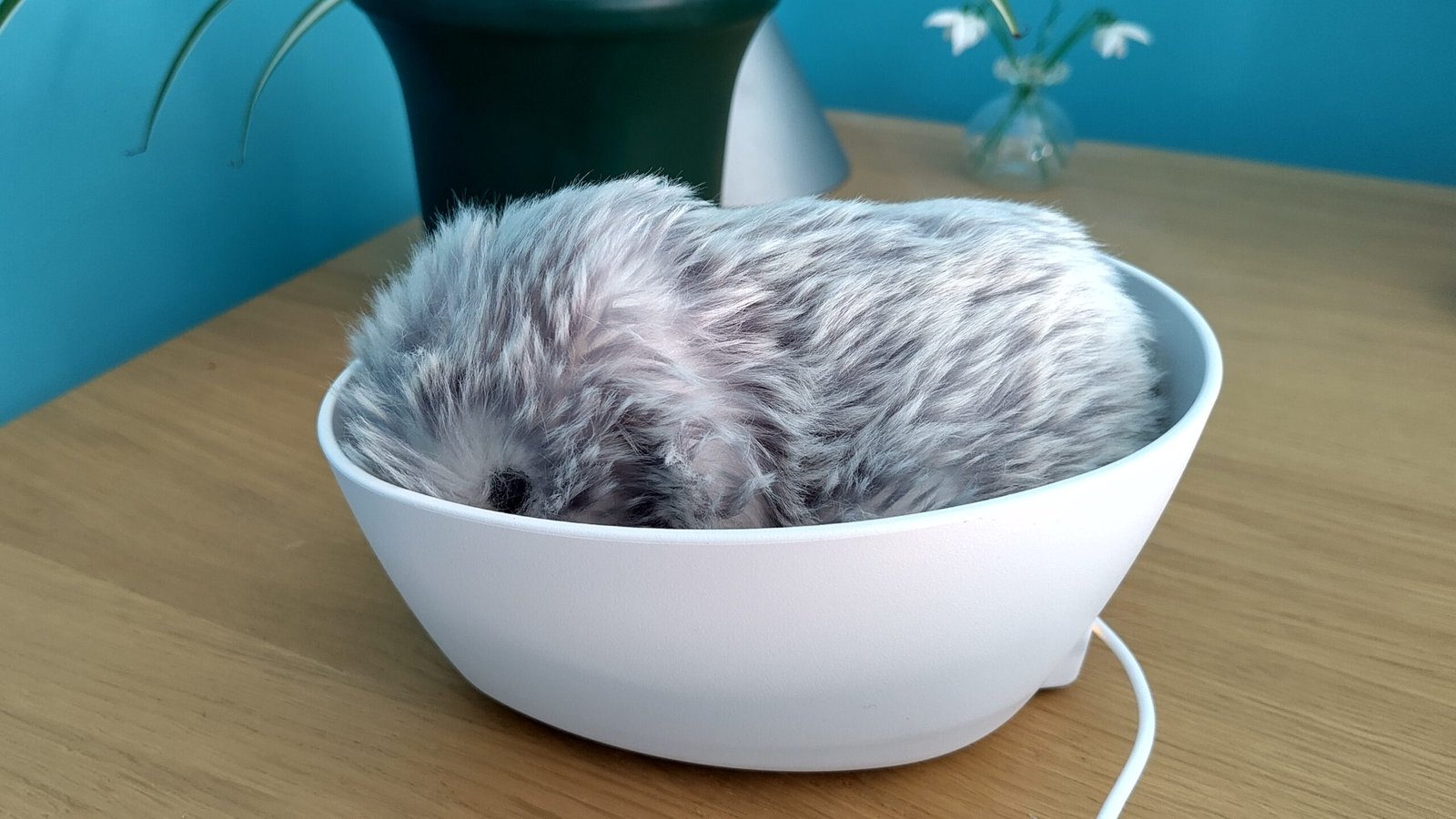
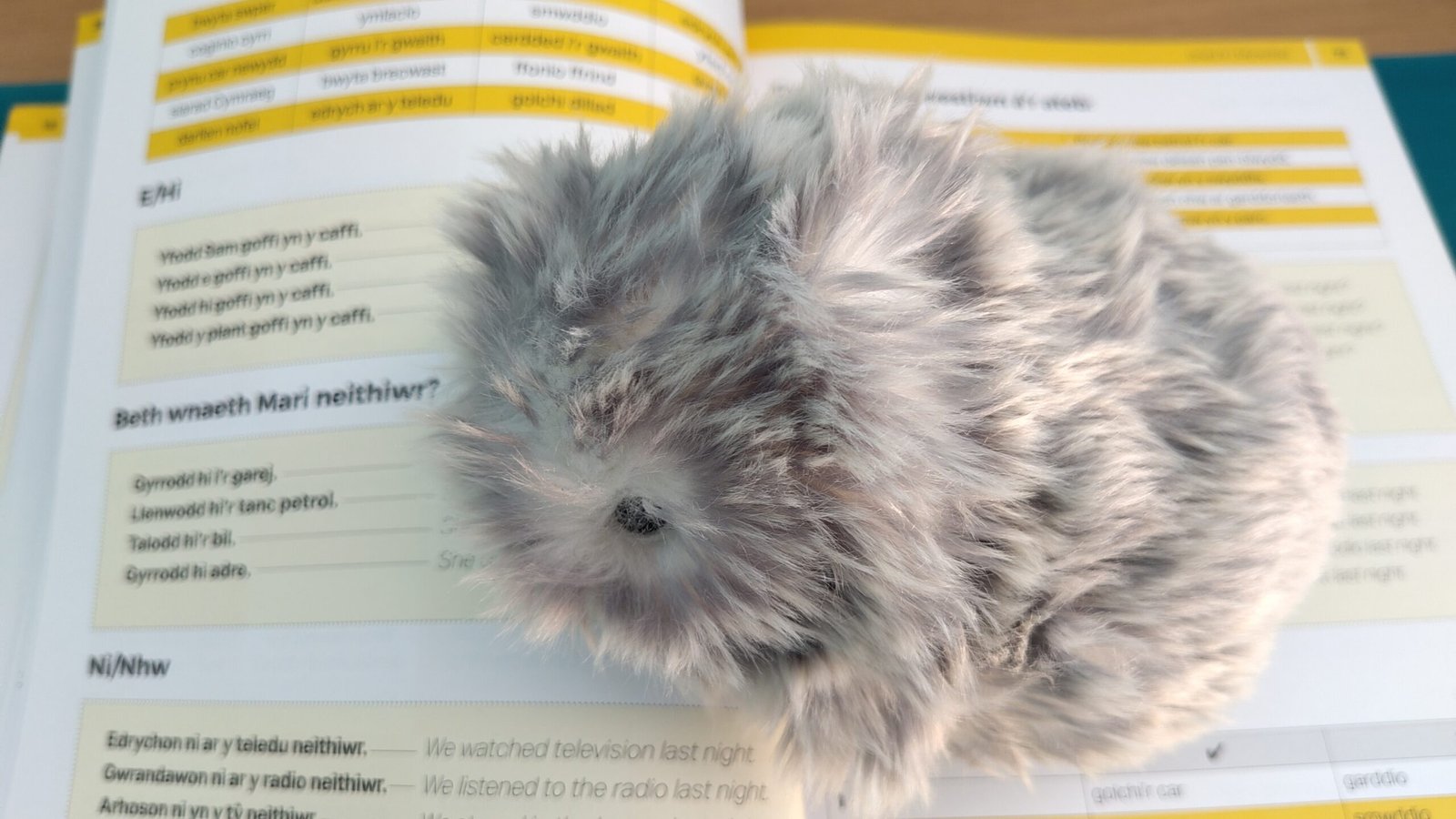
At first glance, Moflin looks deceptively simple. It resembles a tiny fluffy guinea pig with soft fur, hidden sensors, and no visible mouth or expressive face. Yet beneath that minimalist design sits a surprisingly sophisticated emotional interaction system capable of reacting to touch, movement, sound, and routine human behavior.
What makes Moflin especially fascinating is not its hardware, but the psychological response it creates. Within days, many users report speaking to it gently, checking its “mood,” adjusting their own behavior to avoid upsetting it, and feeling emotionally attached to something they intellectually know is a machine.
That raises a bigger question far beyond consumer tech: Why are humans becoming emotionally attached to artificial companions?
As loneliness rises globally, urban living spaces shrink, and pet ownership becomes increasingly expensive and impractical, devices like Moflin may represent the beginning of an entirely new category of consumer technology emotionally responsive AI companions designed not for productivity, but comfort.
What Is Moflin and How Does It Work?
Moflin is a compact AI-powered robot pet developed to simulate emotional bonding through interaction. Unlike traditional robotic toys that rely on pre-programmed repetitive behavior, Moflin adapts over time based on how people treat it.
The device includes:
- Touch sensors that respond to petting and cuddling
- Microphones that detect nearby voices and sound patterns
- Motion sensors and accelerometers that detect movement and handling
- Internal actuators that create realistic wriggling movements
- A speaker system that generates chirps, squeaks, sighs, and emotional sounds
- An AI personality system that evolves through repeated interaction
The result is a robot that appears to develop moods, preferences, and behavioral patterns over time.
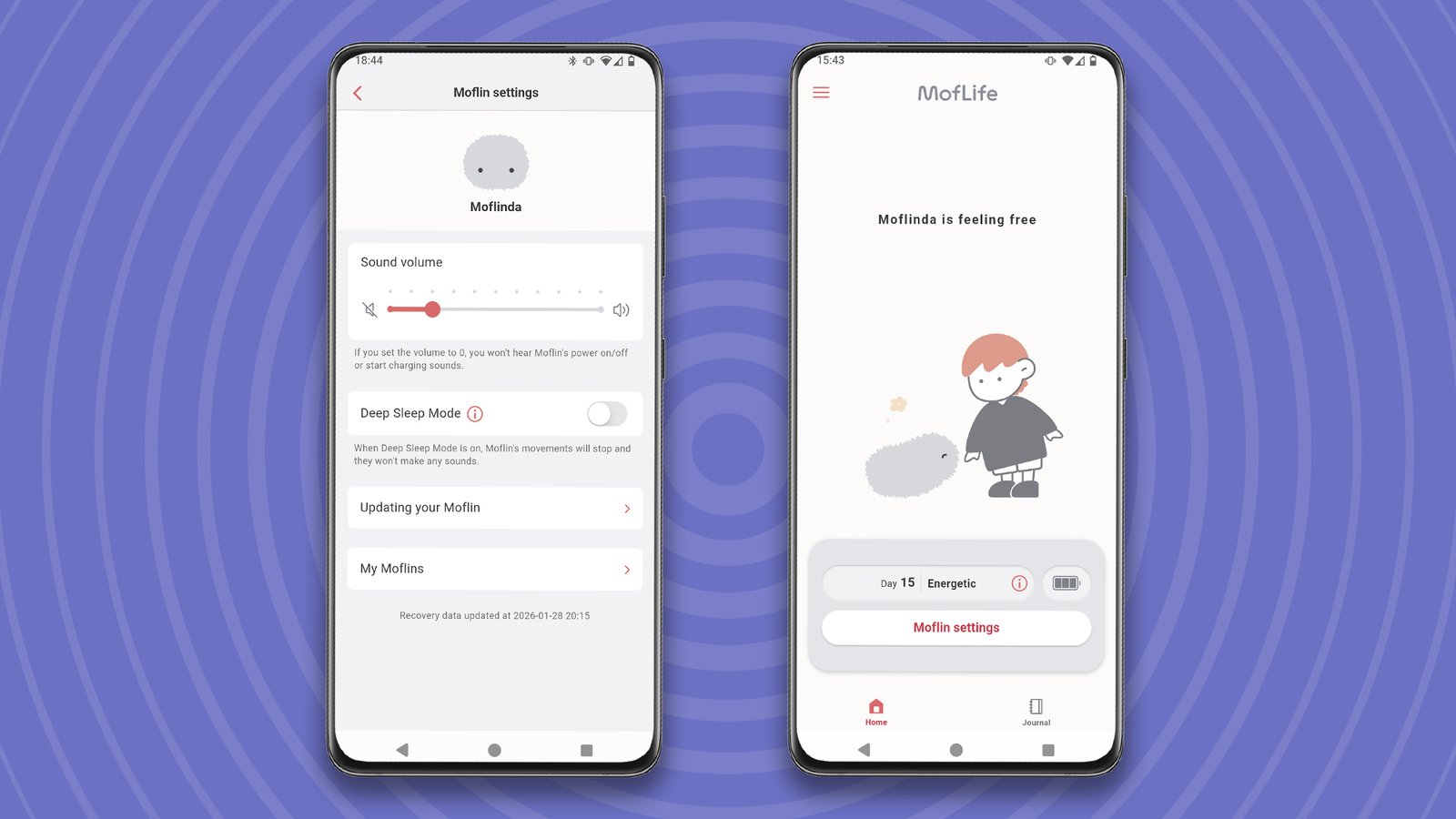
Users can monitor the pet’s emotional state through the companion app, which tracks traits such as:
- Shyness
- Affection
- Energy
- Calmness
- Cheerfulness
The app also generates diary-like emotional summaries that make the experience feel less like owning a gadget and more like caring for a living companion.
Why Moflin Feels Emotionally Real Despite Being a Robot
The most interesting part of Moflin is not the technology itself, but the psychology behind it.
Humans are naturally wired to anthropomorphize objects meaning we instinctively assign emotions, personalities, and intentions to non-human things. This is why people name cars, talk to smart assistants, or feel guilty shutting down a laptop after years of use.
Moflin takes advantage of this psychological tendency extremely effectively.
Its lack of facial features is actually a clever design choice. By avoiding a fixed expression, users subconsciously project emotions onto it themselves. A slight movement or soft chirp becomes emotionally meaningful because the brain fills in the blanks.
This design philosophy mirrors techniques used in animation and Storytelling, where minimal expressions often create stronger emotional engagement than hyper-realistic designs.
The emotional loop works like this:
| Human Action | Moflin Response | Psychological Effect |
|---|---|---|
| Petting | Relaxed chirping | Reinforces nurturing behavior |
| Loud voice | Distressed squeak | Creates empathy and caution |
| Gentle handling | Happy movement | Encourages emotional attachment |
| Neglect | Lower mood indicators | Triggers responsibility instinct |
This emotional feedback system is subtle but remarkably effective.
The Rise of AI Companionship in Modern Society
Moflin arrives at a time when digital companionship is rapidly becoming a serious technology category.
Several global trends are driving this shift:
- Increasing urban isolation
- Rising rates of loneliness
- Smaller apartments with pet restrictions
- Remote work reducing social interaction
- Growing emotional dependence on technology
Research from the World Health Organization and multiple Mental health studies has repeatedly shown that loneliness can significantly affect emotional and physical wellbeing. Meanwhile, traditional pet ownership is becoming more difficult in dense urban environments due to:
- Rental restrictions
- Veterinary costs
- Time commitments
- Travel limitations
- Allergies
Moflin positions itself directly in that gap.
It offers emotional stimulation without requiring feeding, walking, cleaning, or long-term care responsibilities.
That may sound trivial initially, but emotionally responsive AI products are becoming increasingly mainstream. Consumers already interact daily with:
- AI voice assistants
- Virtual companions
- Mental wellness apps
- Conversational chatbots
- Social robots
Moflin simply combines physical touch with emotional AI behavior a combination that feels significantly more personal.
Can a Robot Pet Actually Improve Mental Wellbeing?
This is where the discussion becomes genuinely important.
There is growing evidence that interactive companion devices can positively influence emotional wellbeing, especially among people experiencing stress, isolation, or anxiety.
Robot companion studies in Healthcare environments have shown promising results, particularly among older adults and dementia patients. Interactive robotic pets have been associated with:
- Reduced stress levels
- Improved mood
- Lower feelings of loneliness
- Increased social engagement
- Calmer emotional states
Unlike smartphone apps, physical interaction creates tactile emotional reinforcement. Holding, stroking, and cuddling objects activates comforting psychological responses.
That is one reason weighted blankets, stress toys, and comfort objects remain popular among adults.
Moflin builds on the same emotional principles but adds responsiveness.
When the robot reacts positively to affection, users experience a form of emotional reciprocity even though intellectually they understand the interaction is artificial.
Importantly, experts generally do not argue that robot companions should replace human relationships or real pets. Instead, they may function as:
- Supplementary emotional support tools
- Stress relief devices
- Transitional companionship products
- Low-maintenance comfort alternatives
Where Moflin Succeeds Better Than Traditional Robot Pets
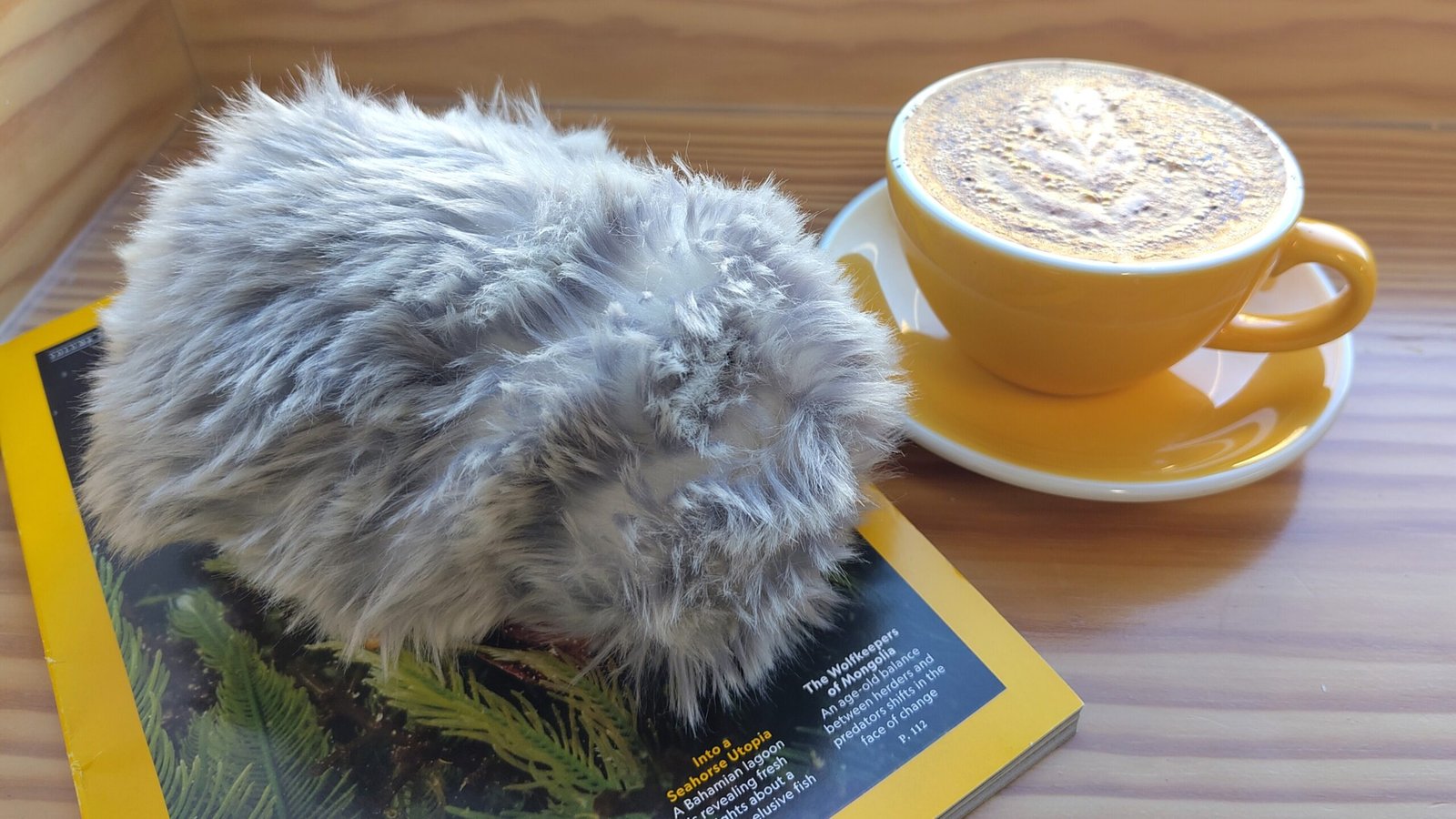
Many earlier robot pets focused heavily on realism or Entertainment. Moflin succeeds because it focuses almost entirely on emotional atmosphere.
Several design choices stand out:
1. Simplicity Creates Stronger Attachment
Moflin does not overload users with features, screens, or commands. There are no games, tricks, or productivity functions.
It simply exists to be interacted with emotionally.
That simplicity removes friction and makes the experience feel strangely calming.
2. Imperfect Responses Feel More Natural
Unlike scripted toys that repeat identical actions, Moflin’s reactions vary subtly depending on interaction patterns.
This unpredictability creates the illusion of individuality.
3. It Avoids the “Uncanny Valley”
Hyper-realistic robots often feel disturbing because they appear almost human but not quite.
Moflin avoids this entirely by embracing abstraction. It does not attempt to mimic a real animal perfectly.
That makes it emotionally approachable rather than unsettling.
The Biggest Weaknesses of Moflin
Despite its emotional charm, Moflin is not without limitations.
High Price Point
At over $400, Moflin sits in premium gadget territory. For many consumers, that price will be difficult to justify for a non-essential emotional companion device.
Battery Life Limitations
Frequent charging can interrupt immersion. A companion product works best when it feels consistently present rather than periodically unavailable.
Limited Long-Term Complexity
Although Moflin adapts emotionally, it remains fundamentally constrained in behavior.
Over time, some users may find interactions repetitive once the novelty fades.
Social Perception
Robot companions still carry social stigma in some environments. While public attitudes toward emotional AI are softening, many people remain skeptical about forming attachments to artificial companions.
How Moflin Reflects a Bigger Shift in Consumer Technology
Moflin may appear niche today, but it represents a much larger technology trend: emotion-first computing.
For decades, consumer technology focused primarily on efficiency and productivity. Modern AI products are increasingly moving toward emotional interaction instead.
The future AI market may not only compete on intelligence but also on emotional resonance.
That includes:
- AI companions
- Emotionally adaptive assistants
- Therapeutic robots
- Social wellness devices
- Interactive emotional support systems
In many ways, Moflin feels like an early prototype of a future category that could become far more advanced over the next decade.
Future versions could potentially include:
- Voice recognition personalization
- Advanced emotional memory systems
- Health monitoring integration
- Adaptive personality growth
- Long-term relationship modeling
As Generative AI and emotional computing improve, the line between “toy,” “pet,” and “companion” may become increasingly blurred.
Moflin vs Real Pets: What It Can and Cannot Replace
| Feature | Moflin | Real Pet |
|---|---|---|
| Emotional comfort | Moderate | Very high |
| Maintenance | Very low | High |
| Financial cost over time | Lower long term | Much higher |
| Physical care responsibility | Minimal | Significant |
| True emotional reciprocity | Simulated | Real |
| Convenience for urban living | Excellent | Limited |
Moflin cannot truly replace the emotional depth of a living animal. Real pets form genuine biological and emotional bonds.
However, that does not mean robot companions are meaningless.
For people unable to own animals due to lifestyle, housing, health, or financial reasons, devices like Moflin may offer meaningful emotional comfort that previously did not exist.
Who Is Moflin Actually For?
Interestingly, Moflin is probably not aimed at children in the traditional toy sense.
Its strongest audience may include:
- Adults living alone
- Urban apartment residents
- Tech enthusiasts
- People seeking low-maintenance companionship
- Stress-prone professionals
- Older adults
- Consumers interested in emotional AI
Its appeal comes less from entertainment and more from emotional ambiance.
That distinction matters because it positions Moflin closer to wellness technology than conventional robotics.
The Future of Emotional AI Is Closer Than Most People Realize
Moflin may look like a fluffy novelty gadget, but its real significance lies in what it reveals about the future relationship between humans and machines.
People are increasingly comfortable seeking emotional interaction through technology. Whether through AI chatbots, virtual companions, or robotic pets, consumers are beginning to value emotional responsiveness as much as functionality.
Moflin succeeds because it understands something surprisingly human:
People do not always need perfect realism to feel emotionally connected.
Sometimes a soft squeak, a tiny wriggle, and the illusion of affection are enough.
Conclusion: Moflin Is More Than a Robot Pet It’s a Preview of Emotional Technology
Moflin is not merely another robotic toy chasing viral attention. It represents an emerging category of emotionally intelligent consumer technology designed around companionship rather than utility.
Its success highlights a growing demand for devices that reduce loneliness, encourage emotional engagement, and fit modern urban lifestyles where traditional pet ownership is increasingly difficult.
While its premium price and limited complexity may prevent mass adoption for now, the underlying concept feels remarkably forward-looking.
As AI continues evolving beyond productivity tools into emotionally adaptive systems, products like Moflin may become far more common and far more sophisticated.
For now, Moflin remains a fascinating experiment in emotional robotics: part gadget, part comfort object, and part glimpse into a future where humans increasingly bond with machines in deeply personal ways.
For breaking news and live news updates, like us on Facebook or follow us on Twitter and Instagram. Read more on Latest Technology on thefoxdaily.com.


COMMENTS 0