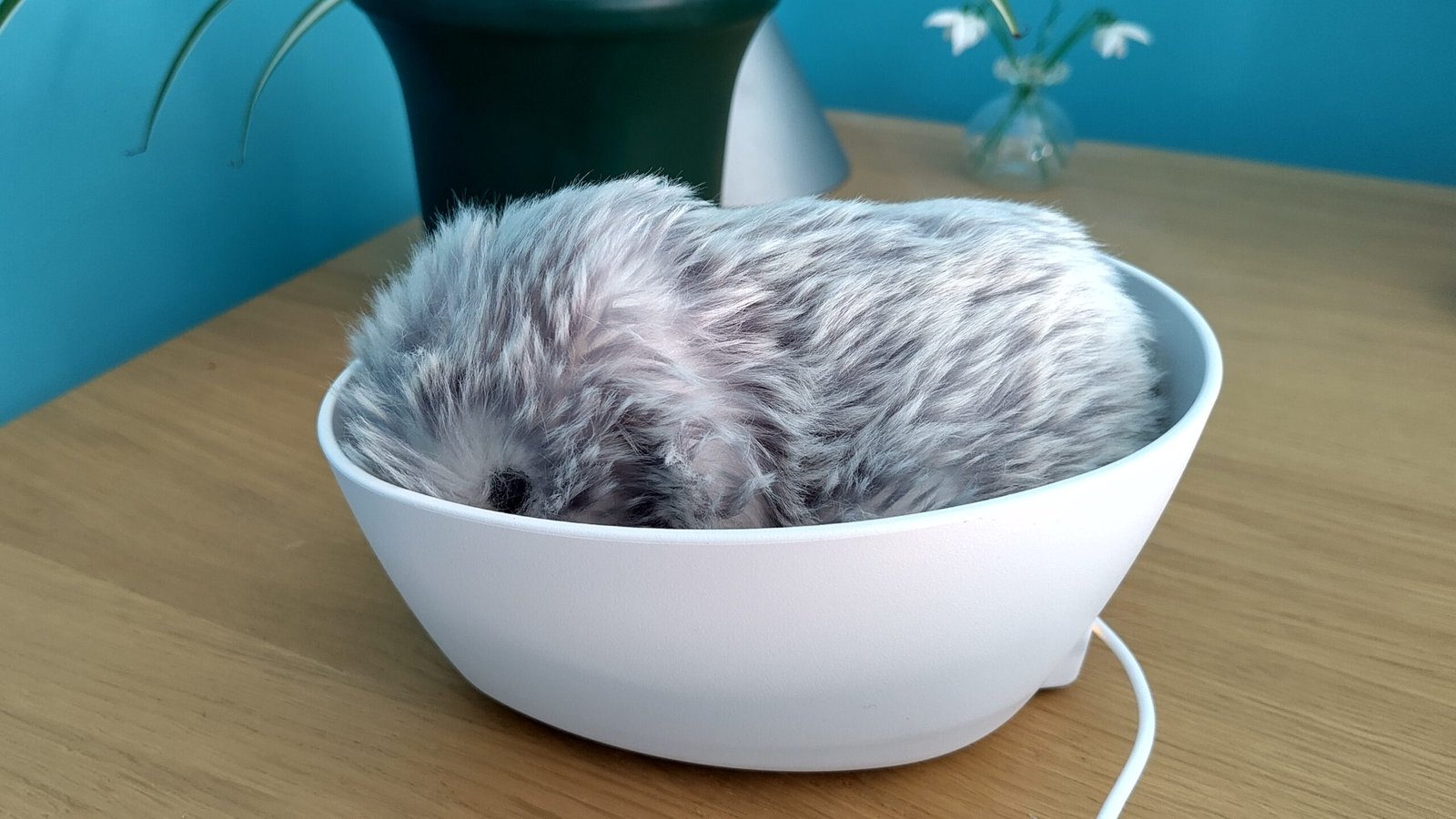
For decades, robots were designed to perform tasks. They cleaned floors, assembled products, answered questions, and automated repetitive work. But a new generation of Robotics is focused on something entirely different: emotions. Instead of helping people become more productive, these machines aim to make people feel connected, comforted, and understood.
One of the most fascinating examples of this trend is Moflin, a furry AI-powered robot pet created to mimic the experience of caring for a small animal. Equipped with touch sensors, microphones, motion detection technology, and Artificial Intelligence algorithms, Moflin responds to affection, develops personality traits over time, and creates a unique companionship experience for its owner.
Unlike traditional robotic toys that simply follow pre-programmed patterns, Moflin remembers interactions and gradually evolves based on how it is treated. The result is a device that sits somewhere between a gadget, a digital pet, and an emotional companion.
As loneliness rises globally, urban living spaces shrink, and technology becomes increasingly personal, products like Moflin are entering a market that extends far beyond novelty electronics. The bigger question is not whether Moflin is cute it clearly is but whether robot companions could become a meaningful part of everyday life.
Understanding Moflin requires examining not only the device itself but also the psychology, technology, and social trends driving the rise of artificial companionship.
What Is Moflin and How Does It Work?
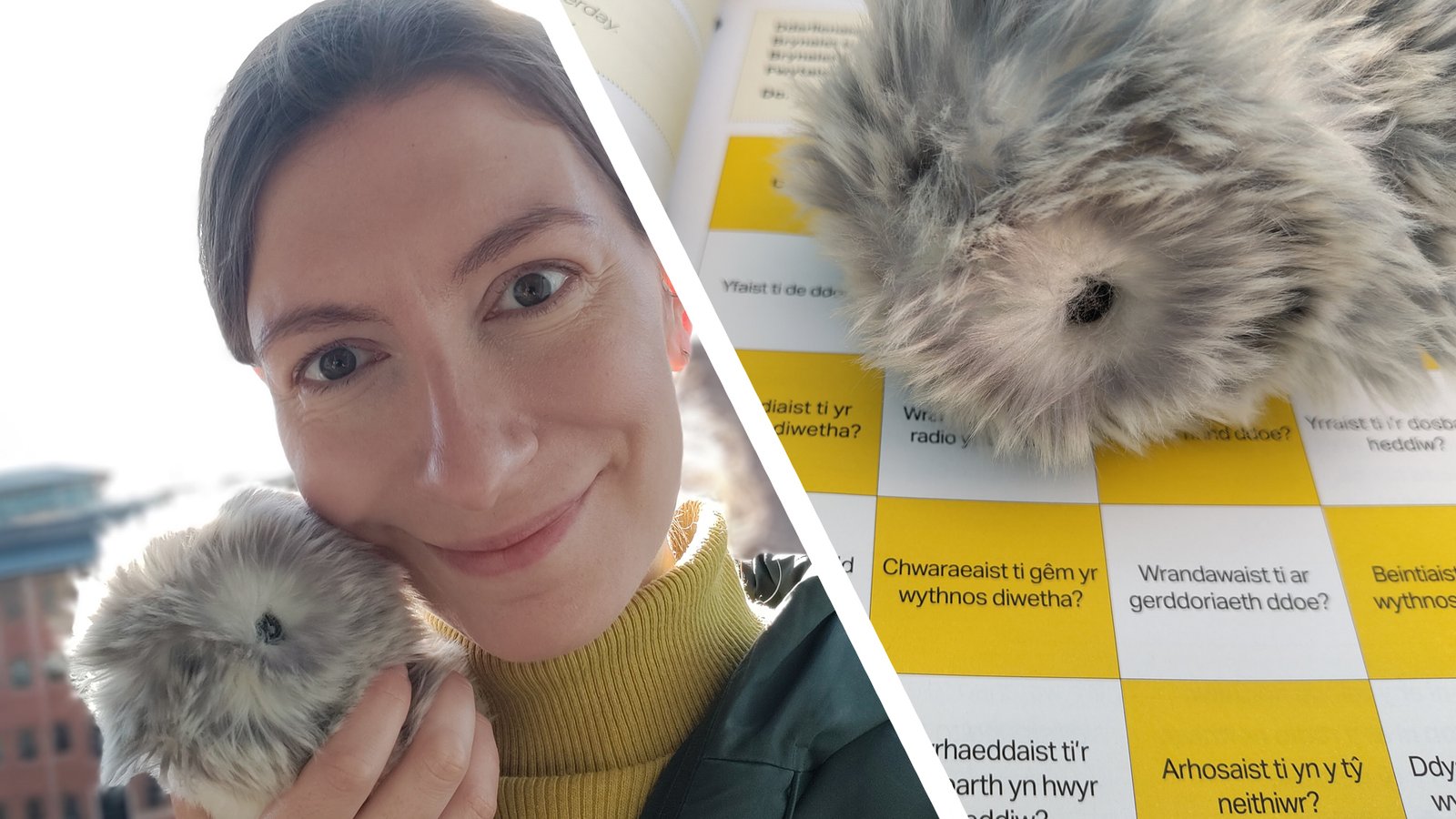
Moflin is a compact robotic pet covered in soft fur and designed to resemble a small mammal such as a guinea pig or hamster. It has no expressive face, no limbs, and no practical function beyond companionship. Yet that simplicity is intentional.
The device contains multiple sensors and mechanical systems that allow it to react to human interaction in surprisingly lifelike ways.
- Touch sensors detect petting and cuddling.
- Microphones recognize voices and environmental sounds.
- Motion sensors identify movement and positioning.
- Actuators create physical motions and body language.
- Speakers generate squeaks, chirps, and emotional sounds.
- A companion app tracks mood, personality, and interaction history.
When stroked gently, Moflin may respond with contented noises and subtle movements. When handled roughly or exposed to loud sounds, it can appear startled or shy. Over time, these interactions influence the robot’s evolving personality profile.
Rather than acting like a machine awaiting commands, Moflin attempts to behave like a living creature responding emotionally to its Environment.
The Science Behind Emotional Attachment to Robots
One of the most surprising aspects of products like Moflin is how quickly people begin forming emotional connections with them.
Researchers studying human-computer interaction have long observed that people naturally assign emotions and personalities to technology. This phenomenon, known as anthropomorphism, occurs when humans attribute human-like characteristics to non-human objects.
It explains why people:
- Name their cars.
- Talk to virtual assistants.
- Thank smart speakers.
- Feel guilty when replacing old devices.
- Give personalities to robot vacuum cleaners.
Moflin is specifically designed to encourage this tendency. Its soft fur, animal-like sounds, and responsive behaviors activate many of the same nurturing instincts people experience when interacting with real pets.
Even though users know the robot is powered by software and electronics, emotional engagement often develops naturally through repeated interaction.
Why Emotional AI Is Becoming a Major Technology Trend
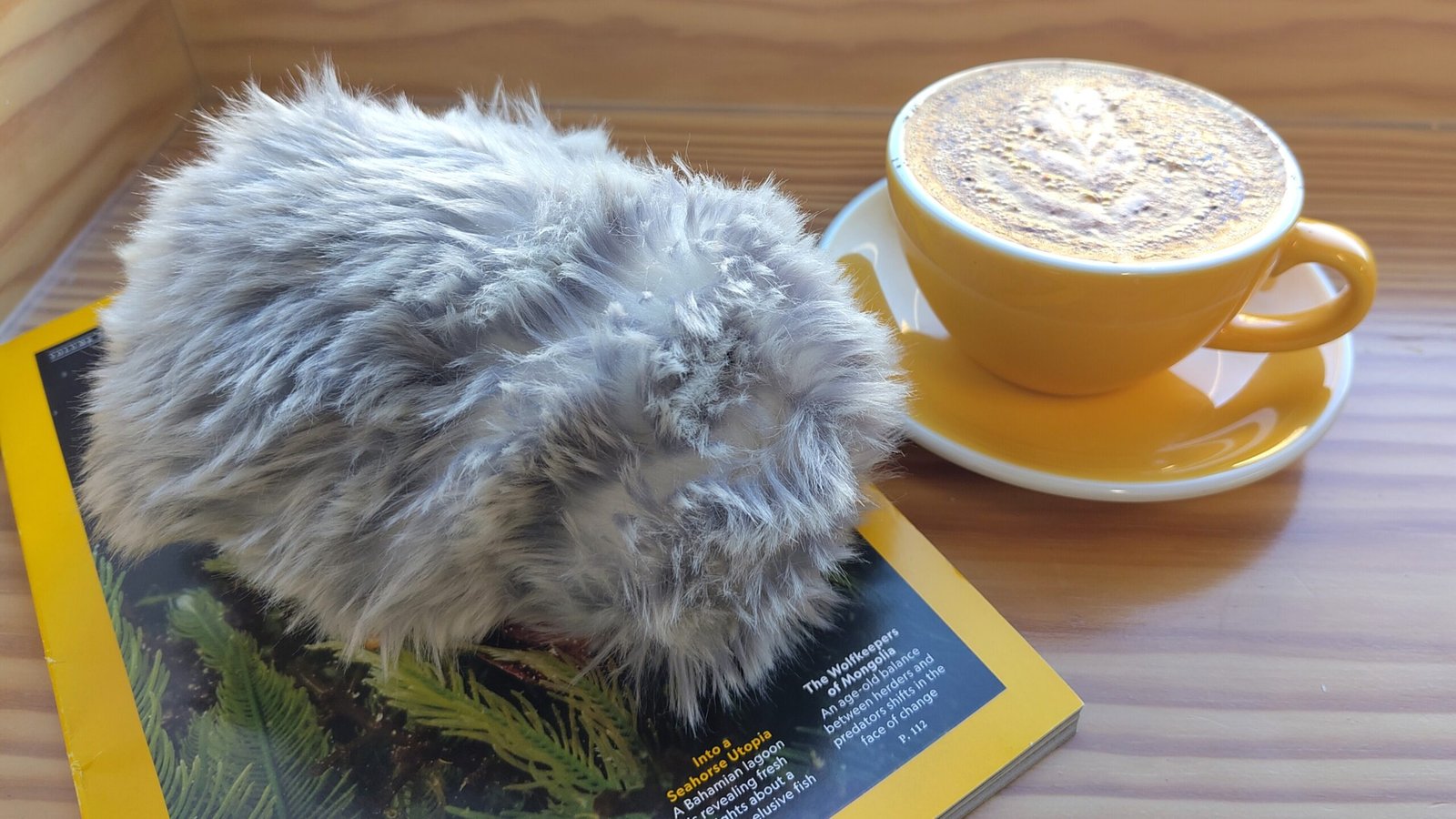
For years, artificial intelligence focused primarily on efficiency. Companies built systems capable of analyzing data, automating workflows, and improving productivity.
Today, a growing number of Developers are exploring a different goal: emotional intelligence.
Instead of asking what AI can do, many innovators are asking how AI can make people feel.
This shift is creating entirely new categories of products designed around companionship, emotional support, and social interaction.
Several factors are driving this trend:
- Increasing urban isolation.
- Remote work lifestyles.
- Smaller living spaces.
- Aging populations.
- Growing acceptance of AI technology.
- Advances in sensor and machine-learning systems.
Moflin exists at the intersection of all these developments, making it one of the most interesting examples of emotional AI currently available to consumers.
How Moflin’s Personality Evolves Over Time
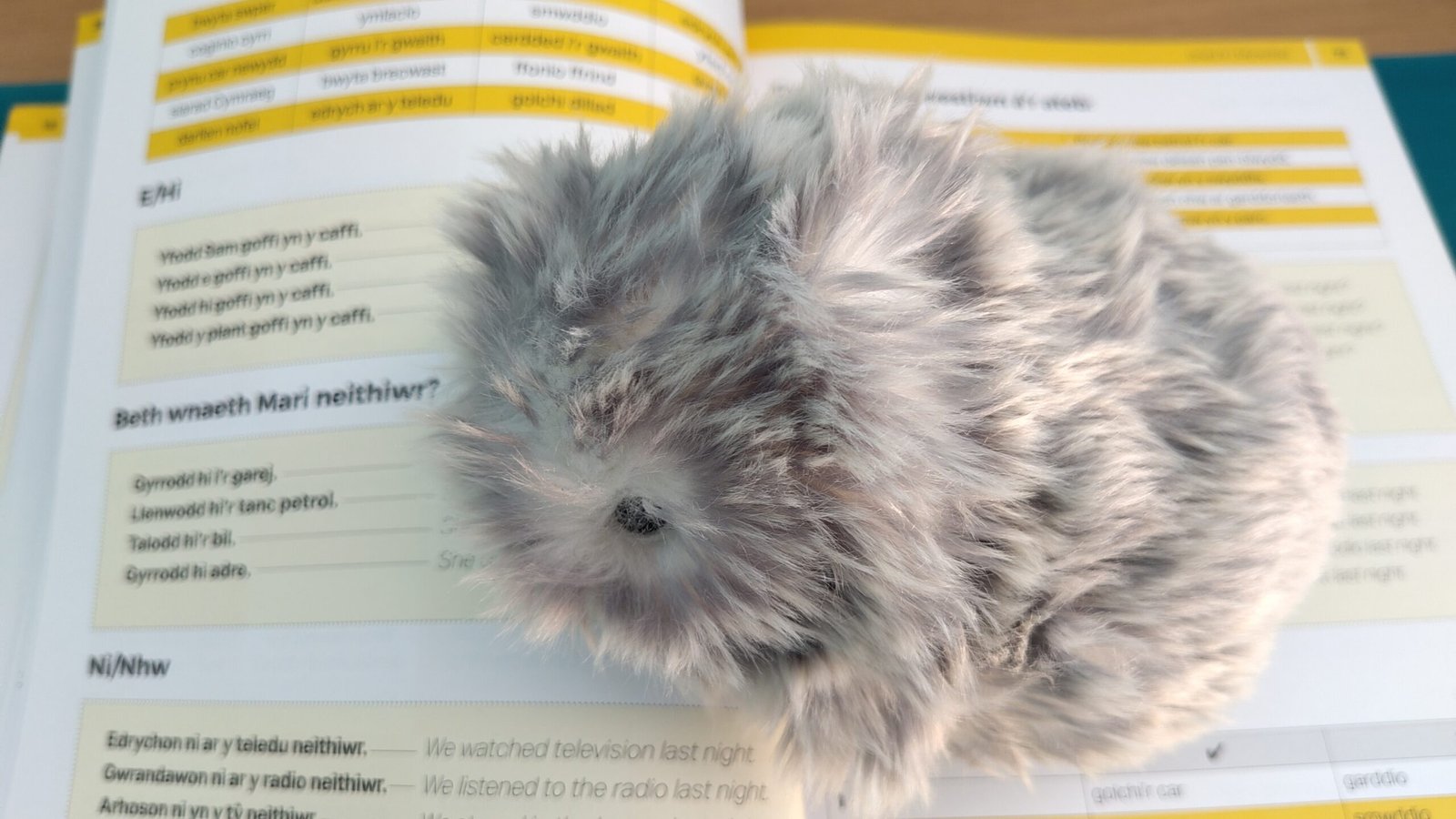
The most innovative aspect of Moflin is its adaptive personality system.
Unlike ordinary toys that repeat the same behaviors endlessly, Moflin is designed to evolve. Every interaction contributes to a personality profile that changes gradually over time.
The companion app tracks characteristics such as:
- Energy
- Affection
- Cheerfulness
- Curiosity
- Confidence
- Shyness
If owners interact frequently and gently, certain positive traits may become more pronounced. If the device experiences less interaction or stressful handling, other characteristics may emerge.
This creates a feeling that the robot is developing its own identity.
Although the personality changes are generated through algorithms rather than genuine emotions, the effect can be surprisingly convincing. Owners begin interpreting behaviors as signs of preference, mood, and individuality.
The Growing Market for Robot Companions
Moflin is not appearing in a vacuum. The global companion robotics industry has expanded significantly in recent years as technology companies explore alternatives to traditional consumer electronics.
Consumers increasingly seek products that deliver experiences rather than functionality alone.
Robot companions occupy a unique position because they combine:
- Artificial intelligence
- Entertainment
- Emotional engagement
- Personalization
- Interactive technology
Unlike smartphones or laptops, which primarily help users perform tasks, companion robots focus on building relationships.
This distinction could become increasingly important as technology grows more integrated into daily life.
Robot Pets vs Real Pets: The Key Differences
One of the most common questions surrounding Moflin is whether it can genuinely replace a traditional pet.
The answer depends largely on what people seek from pet ownership.
| Feature | Moflin Robot Pet | Traditional Pet |
|---|---|---|
| Feeding Required | No | Yes |
| Vet Visits | No | Yes |
| Daily Maintenance | Minimal | Significant |
| Living Space Needed | Very Small | Varies |
| Emotional Interaction | AI Simulated | Natural |
| Personality Growth | Algorithm Driven | Biological |
| Travel Convenience | Easy | Can Be Challenging |
| Long-Term Costs | Low After Purchase | Ongoing Expenses |
For people who cannot own animals because of housing restrictions, allergies, travel schedules, or financial limitations, robot pets may offer some of the emotional benefits without the responsibilities.
However, they cannot fully replicate the unpredictability, affection, and biological connection that define relationships with living animals.
The Loneliness Crisis and the Role of Companion Technology
One reason products like Moflin attract attention is the growing global concern around loneliness and social isolation.
Research from health organizations and academic institutions has repeatedly shown that loneliness can negatively impact both mental and physical well-being.
Factors contributing to modern isolation include:
- Living alone.
- Remote work arrangements.
- Urban migration.
- Aging populations.
- Reduced community engagement.
- Increased digital lifestyles.
Companion robots are increasingly being explored as one potential tool to help address these challenges.
While no robot can replace genuine human relationships, interactive companions may provide comfort, routine, and emotional engagement for individuals experiencing social isolation.
Moflin represents a consumer-focused version of a much broader effort to use technology as a source of emotional support.
What Makes Moflin Different From Earlier Digital Pets?
Many consumers remember virtual pets such as Tamagotchi or early robotic toys that required feeding, attention, and maintenance.
Moflin builds upon those concepts while introducing a more sophisticated approach.
Continuous Learning
Interactions influence future behavior rather than triggering isolated reactions.
Emotional Modeling
The device attempts to simulate changing moods instead of performing repetitive actions.
Long-Term Development
Personality traits evolve gradually based on user behavior.
Natural Interaction
Touch, voice, and movement replace button-based controls.
These improvements create a stronger illusion of companionship and individuality.
The Hidden Technology Beneath the Fur
At first glance, Moflin appears deceptively simple. Beneath its soft exterior lies a sophisticated blend of hardware and software designed to produce emotional responses.
The robot continuously collects data from its environment and processes that information to determine how it should behave.
For example:
- Gentle strokes may increase positive emotional indicators.
- Harsh handling may trigger discomfort responses.
- Familiar voices may generate friendlier reactions.
- Extended periods of inactivity may influence mood states.
This constant feedback loop allows Moflin to create the impression that it possesses preferences and emotions, even though those behaviors ultimately stem from programming.
Who Should Consider Buying Moflin?
Moflin appeals to a surprisingly diverse audience.
Potential users include:
- Apartment dwellers unable to keep pets.
- Technology enthusiasts interested in AI.
- Older adults seeking companionship.
- Busy professionals with limited free time.
- Students living in shared accommodations.
- Collectors of innovative Gadgets.
- Individuals curious about emotional robotics.
Those expecting the complexity of a dog or cat may feel disappointed. However, users interested in companionship-focused technology often find the experience more engaging than expected.
The Economics of Artificial Companionship
One of the biggest debates surrounding Moflin is its premium pricing.
Unlike productivity-focused gadgets, Moflin sells emotional value rather than practical utility.
This makes traditional purchasing calculations difficult.
Consumers are not evaluating processing power, storage capacity, or performance benchmarks. Instead, they are assessing whether companionship, comfort, and emotional engagement justify the investment.
In many ways, Moflin resembles luxury hobby products, collectibles, or entertainment devices more than conventional electronics.
The Ethical Questions Raised by Emotional Robots
The emergence of emotionally intelligent machines raises important ethical considerations.
Critics worry that advanced companion robots could encourage unhealthy emotional dependence or reduce motivation to pursue real-world relationships.
Supporters argue that such technologies can supplement existing relationships and provide meaningful benefits to people who might otherwise experience loneliness.
The reality likely lies somewhere between these extremes.
Products like Moflin demonstrate both the potential and the complexity of emotional AI, highlighting the need for ongoing discussion about how these technologies should evolve.
What the Future of AI Pets Could Look Like
Moflin may represent only the beginning of a larger transformation in companion technology.
Future generations of AI pets could include:
- Advanced conversational abilities.
- Facial recognition technology.
- Emotion detection systems.
- Health and wellness monitoring.
- Smart home integration.
- Cloud-based personality development.
- More realistic physical movement.
As artificial intelligence continues improving, the distinction between digital companions and traditional pets may become increasingly blurred.
What feels futuristic today could become a common household technology within the next decade.
The Unique Insight Most Reviews Overlook
Many reviews focus on whether Moflin is adorable, entertaining, or worth its asking price. Those are valid questions, but they miss the bigger story.
Moflin’s true significance lies in what it reveals about human nature.
People do not form attachments solely because something is alive. They form attachments because of interaction, familiarity, care, and emotional feedback.
The robot succeeds because it taps into universal human desires for connection, affection, and companionship.
That insight extends far beyond robot pets. It may influence the future development of AI assistants, healthcare robots, educational technology, and countless other products designed around emotional engagement.
Conclusion: Is Moflin a Glimpse Into the Future?
Moflin is far more than a furry robotic gadget. It represents a growing shift toward technology designed not merely to perform tasks but to build relationships.
Its evolving personality, emotional responses, and adaptive behaviors create an experience that many users find surprisingly meaningful. While it cannot replicate the depth and unpredictability of a living pet, it offers a compelling alternative for people seeking companionship without the responsibilities of animal ownership.
More importantly, Moflin serves as a preview of where consumer AI may be heading. Future devices are likely to become more personalized, emotionally aware, and relationship-oriented.
The biggest takeaway is not whether Moflin can replace a real pet. It cannot. The more interesting question is whether emotional AI companions will become a normal part of daily life.
Based on current technological trends, growing interest in companion robotics, and the surprisingly strong emotional reactions these devices generate, the answer may very well be yes.
In the coming years, the most successful technologies may not be the ones that work the hardest they may be the ones that make people feel the most connected.
For breaking news and live news updates, like us on Facebook or follow us on Twitter and Instagram. Read more on Latest Technology on thefoxdaily.com.






COMMENTS 0