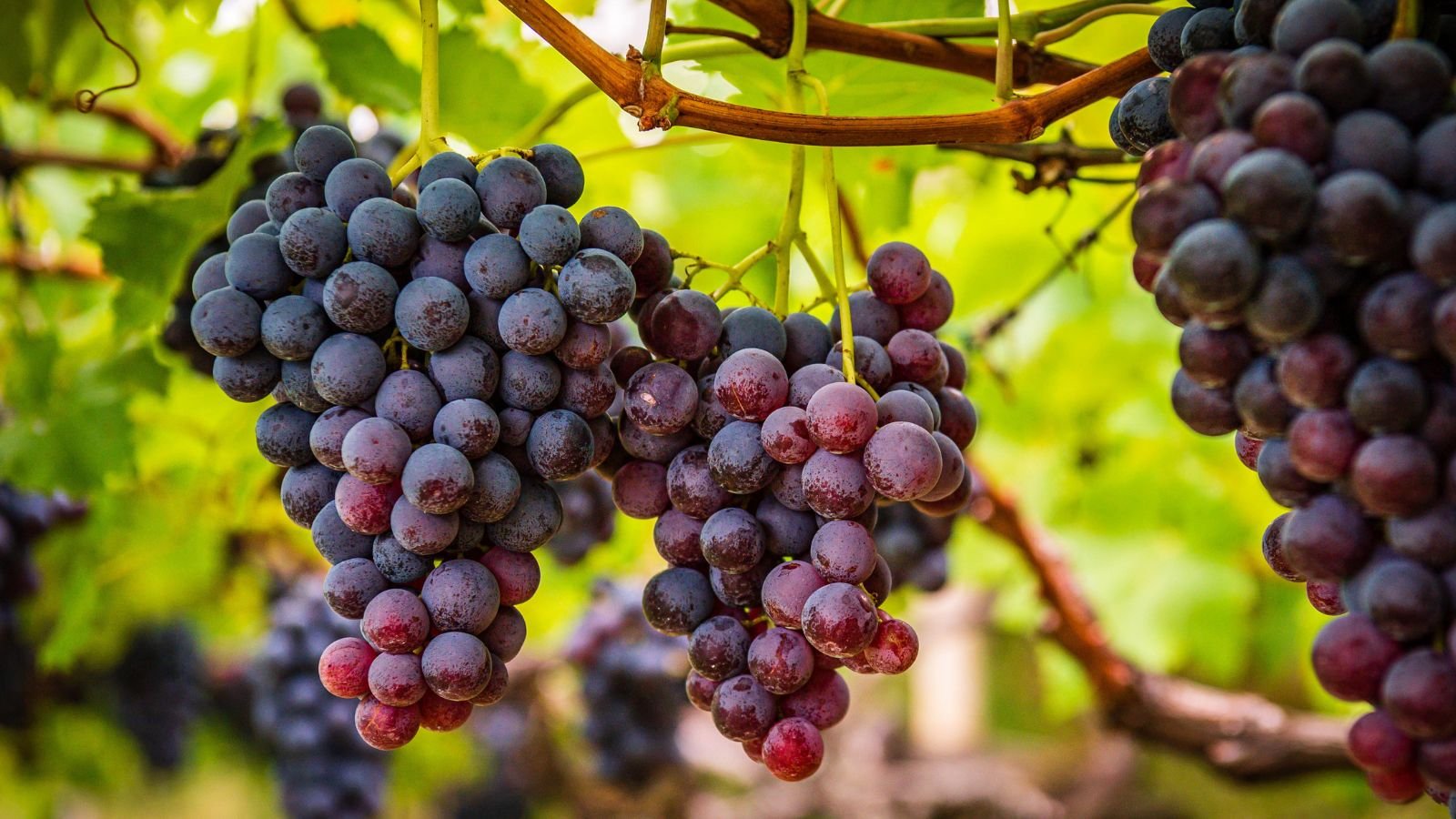
In a fascinating blend of agriculture, genetics and space science, researchers are sending hundreds of grape seeds from Texas to the International Space Station (ISS) to investigate how the harsh environment of space affects plant development. While the idea of launching grape seeds into orbit may sound unusual, scientists believe the experiment could reveal valuable insights into crop resilience, genetic adaptation and the future of Food production both on Earth and during long-term space exploration.
The seeds will spend approximately six months aboard the ISS, exposed to cosmic radiation and microgravity before returning to Earth for detailed analysis. Researchers hope the mission will help identify beneficial genetic changes that could lead to stronger, more adaptable grape varieties capable of thriving in increasingly challenging environmental conditions.
What Is the Texas Grape Seed Space Experiment?
The project is part of the Texas A&M/Aegis Aerospace Multi-Use Space Platform Integrating research and Innovative Technology (TAMU-SPIRIT) mission. Often described as a “satellite campus in space,” the initiative enables researchers to conduct a wide range of scientific experiments aboard the ISS.
For this study, hundreds of carefully selected grape seeds will travel beyond Earth’s protective atmosphere, where they will experience conditions impossible to replicate fully on the ground. After completing their orbital mission, the seeds will return to Texas, where they will be planted and compared with identical seeds that remained on Earth.
The objective is straightforward yet scientifically significant: determine whether exposure to space alters the seeds in ways that could improve crop performance, disease resistance or environmental adaptability.
Why Space Is the Perfect Laboratory for Genetic Research
Space presents a uniquely challenging environment for living organisms. Outside Earth’s atmosphere and magnetic field, seeds are exposed to higher levels of cosmic radiation, charged particles and other environmental stressors.
These conditions can trigger genetic mutations that may not occur naturally on Earth or may take decades to appear through conventional breeding.
Scientists are particularly interested in understanding how these mutations affect:
- Plant growth rates
- Disease resistance
- Drought tolerance
- Root development
- Fruit quality
- Genetic expression
- Adaptation to environmental stress
While many mutations may have little or no impact, some could produce beneficial traits that improve agricultural productivity and sustainability.
How Cosmic Radiation Influences Seeds
Cosmic radiation consists of high-energy particles that travel through space at nearly the speed of light. Unlike radiation on Earth, much of this cosmic radiation is blocked by the atmosphere and magnetic field.
When seeds are exposed to these particles, tiny changes can occur within their DNA.
These changes may:
- Create entirely new genetic variations
- Activate dormant genes
- Alter plant development pathways
- Improve stress-response mechanisms
- Influence future generations of plants
This process is similar in principle to mutation breeding, a technique scientists have used for decades to develop improved crop varieties. The difference is that space provides a natural environment capable of producing unique genetic changes that are difficult to generate in traditional laboratories.
The Importance of the Protective Seed Carrier
One of the most critical components of the experiment is the specially designed seed carrier developed by researchers Coby Arnold and Arvind Subramanyam.
The carrier performs a delicate balancing act.
It must protect the seeds from radiation levels so intense that they would become non-viable while still allowing enough exposure for meaningful scientific observation.
Without this protection, excessive radiation could destroy the seeds entirely or prevent germination after their return to Earth.
The carrier therefore acts as a controlled exposure system, enabling researchers to study beneficial mutations while preserving seed viability.
What Happens When the Seeds Return to Earth?
The most important phase of the research actually begins after the space mission ends.
Upon their return, the grape seeds will be planted at Texas A&M University’s Thomas Ranch vineyard. Scientists will grow them alongside a control group of genetically identical seeds that never left Earth.
This side-by-side comparison will allow researchers to identify differences directly linked to space exposure.
| Study Area | What Researchers Will Examine |
|---|---|
| Growth Rate | Speed and strength of plant development |
| Disease Resistance | Ability to withstand common vineyard diseases |
| Drought Tolerance | Performance under limited water conditions |
| Genetics | DNA changes and gene expression patterns |
| Fruit Quality | Grape production and wine-making characteristics |
| Vine Performance | Overall plant health and productivity |
Researchers will monitor these plants for years because some genetic changes may only become apparent as the vines mature and begin producing fruit.
Could Space Help Solve Agricultural Challenges on Earth?
The experiment arrives at a time when agriculture faces unprecedented challenges.
Climate change is increasing the frequency of droughts, heatwaves, flooding and disease outbreaks. Farmers around the world are searching for crops capable of thriving under increasingly unpredictable conditions.
If space-induced mutations create vines with stronger resistance to environmental stress, the findings could eventually support the development of more resilient crops.
Potential benefits include:
- Improved drought resistance
- Reduced need for pesticides
- Greater tolerance to extreme temperatures
- Enhanced food security
- More sustainable farming practices
Although the research focuses on grapes, the lessons learned could potentially apply to many other crops.
Space Agriculture Is Becoming a Major Scientific Priority
The grape seed mission is part of a broader effort to understand how plants behave beyond Earth.
As governments and private companies pursue long-duration missions to the Moon and Mars, the ability to grow food in space is becoming increasingly important.
Astronauts cannot rely indefinitely on supplies launched from Earth. Future settlements will likely require self-sustaining agricultural systems capable of producing food locally.
Experiments involving seeds, vegetables and other crops help scientists understand how plants adapt to microgravity, radiation and closed environments.
Knowledge gained from these studies could eventually support human habitation beyond Earth.
The Historic Texas Grape Variety at the Center of the Mission
Among the grape varieties selected for the mission is Lomanto, a historically significant grape developed in 1902 by renowned Texas viticulturist T.V. Munson.
Lomanto is known for its remarkable disease resistance and drought tolerance qualities that made it valuable during one of the most devastating crises in wine History.
In the late nineteenth century, European vineyards were devastated by phylloxera, a tiny insect that attacked grapevine roots and destroyed vast wine-producing regions.
American grape varieties and rootstocks played a crucial role in helping the global wine industry recover.
The inclusion of Lomanto in a space research project creates what researchers describe as a “full circle” moment for a grape that once helped solve a major agricultural crisis on Earth.
Could Future Wine Come From Space-Exposed Grapes?
One of the most intriguing aspects of the project is its long-term potential.
If the seeds successfully germinate and develop into productive vines, researchers could eventually harvest grapes and produce wine from plants whose genetic journey included a stay aboard the International Space Station.
While scientific discovery remains the primary objective, the possibility of creating wine from space-travelled vines has captured public imagination.
Such wine would represent a unique combination of agricultural history, genetics and space exploration.
More importantly, it would provide a tangible example of how space research can influence everyday life on Earth.
How This Experiment Fits Into the Growing Space Economy
The grape seed mission also reflects the expanding role of commercial and academic partnerships in space research.
Universities, private aerospace firms and agricultural scientists are increasingly collaborating on experiments that seek practical benefits from access to space.
Rather than focusing solely on exploration, modern space missions increasingly investigate solutions to terrestrial challenges, including food production, environmental sustainability and resource management.
This shift highlights how space science is becoming more closely connected to industries that directly affect people’s lives.
Conclusion: Tiny Seeds, Big Scientific Possibilities
The decision to send hundreds of Texas grape seeds to the International Space Station may seem unconventional, but the scientific logic behind the mission is compelling. By exposing seeds to cosmic radiation and other space conditions, researchers hope to uncover genetic changes that could improve crop resilience, enhance agricultural sustainability and support future food production beyond Earth.
The experiment combines cutting-edge space science with one of humanity’s oldest agricultural traditions. Whether the results lead to stronger grapevines, improved farming techniques or even future vineyards on other worlds, the research represents an important step in understanding how life adapts beyond our planet.
As the seeds begin their journey into orbit, scientists will be watching closely. The discoveries hidden within these tiny grape seeds could ultimately help shape the future of agriculture both on Earth and far beyond it.
For breaking news and live news updates, like us on Facebook or follow us on Twitter and Instagram. Read more on Latest Technology on thefoxdaily.com.

COMMENTS 0