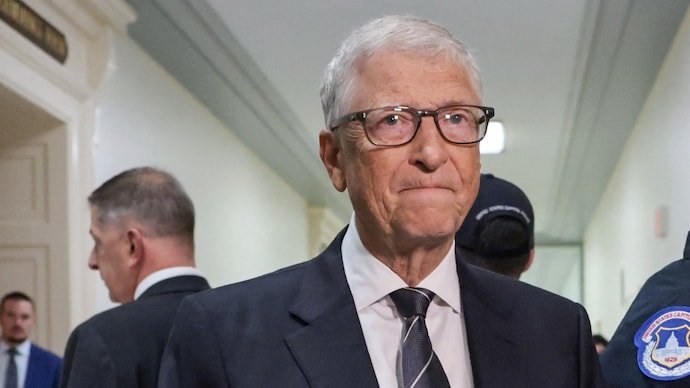
Microsoft co-founder Bill Gates has publicly addressed one of the most scrutinized chapters of his past, telling a congressional committee that Jeffrey Epstein attempted to use information about his extramarital affairs to pressure him into renewing contact after their relationship had ended. The testimony, delivered before the House Oversight and Government Reform Committee, comes amid a broader Investigation into Epstein’s influence, the government’s handling of his case, and the network of prominent figures who interacted with him.
The hearing is significant not only because it involves one of the world’s most recognizable business leaders, but also because it highlights a recurring theme in the Epstein saga: the way influence, access, and personal information can be leveraged within elite circles. Gates maintains that his interactions with Epstein were limited to philanthropic discussions and that he severed ties after realizing Epstein would not contribute meaningfully to charitable initiatives.
The testimony raises several important questions. Why did influential figures continue to engage with Epstein after his criminal conviction became public knowledge? How did Epstein cultivate Relationships with some of the most powerful people in business, Politics, and academia? And what lessons can institutions learn from the fallout that continues years after Epstein’s death?
Understanding the Context Behind the Gates-Epstein Relationship
To understand the significance of Gates’ testimony, it is necessary to revisit the broader context of the Epstein Case. Jeffrey Epstein was a financier whose criminal activities eventually became one of the most notorious scandals in modern history. His 2008 plea agreement in Florida generated widespread criticism, with many legal experts and victims’ advocates arguing that he received unusually lenient treatment despite serious allegations.
Years later, renewed investigations led to federal sex trafficking charges, reigniting scrutiny of his connections to influential individuals across multiple sectors. While many people who interacted with Epstein have denied any involvement in criminal conduct, public interest has remained intense because of the extraordinary reach of his social network.
Epstein was known for cultivating relationships with billionaires, politicians, scientists, academics, and philanthropists. These connections often gave him an aura of legitimacy and influence that extended far beyond his financial activities.
In Gates’ case, the relationship reportedly began in 2011, several years after Epstein had already served a jail sentence related to soliciting prostitution. According to Gates, the discussions focused on philanthropy, global health initiatives, and potential fundraising opportunities connected to charitable projects.
What Bill Gates Told Congress
During his appearance before lawmakers, Gates stated that Epstein attempted to use information about his personal life to pressure him into re-establishing contact after their professional relationship had ended.
According to Gates, the information related to extramarital affairs that had caused pain for his family but had no connection to his dealings with Epstein. He said the financier sought to exploit that information while also adding false claims in an effort to regain influence.
Gates emphasized that his interactions with Epstein were never personal in nature and were focused solely on discussions surrounding philanthropy and charitable work.
He further told lawmakers that Epstein never held any official role within his charitable foundation and was never promised compensation. According to Gates, the relationship effectively ended in 2014 after he concluded that Epstein would not deliver the philanthropic support he had suggested.
The testimony marks one of the clearest explanations Gates has offered regarding why he initially met Epstein and why the relationship eventually ended.
Timeline of Key Events
| Year | Event |
|---|---|
| 2008 | Epstein serves jail sentence following Florida plea agreement. |
| 2011 | Gates begins meeting Epstein regarding philanthropic initiatives. |
| 2011–2014 | Discussions continue around global health and charitable projects. |
| 2014 | Gates ends communication and meetings with Epstein. |
| 2019 | Epstein arrested on federal sex trafficking charges. |
| 2026 | Gates testifies before congressional investigators. |
The Bigger Story: Epstein’s Strategy of Building Elite Networks
One of the most revealing aspects of the congressional investigation is the emerging picture of how Epstein built and maintained relationships with influential people.
Several lawmakers suggested that Epstein actively sought connections with high-profile individuals because those relationships enhanced his status and credibility. Representative Tim Burchett described Epstein as a “friend collector,” suggesting that he deliberately surrounded himself with prominent figures to expand his influence.
This observation aligns with a pattern seen throughout Epstein’s rise. By associating with respected business leaders, academics, politicians, and philanthropists, he gained access to circles that might otherwise have remained closed.
Such networking strategies are not uncommon among ambitious individuals. However, the Epstein case demonstrates how reputation can sometimes overshadow proper scrutiny. The appearance of legitimacy created through elite associations can make warning signs easier to overlook.
This remains one of the central questions lawmakers are attempting to answer: how did so many accomplished individuals continue interacting with Epstein despite his criminal history?
Why Lawmakers Are Still Asking Questions
A key focus of the hearing was understanding why Gates and others maintained contact with Epstein after his conviction had become public knowledge.
Critics argue that Epstein’s criminal record should have been sufficient reason to avoid any association. Others point out that many individuals believed they were engaging with him in professional or philanthropic contexts rather than personal ones.
The issue highlights a broader challenge facing modern institutions. In a world where networking often drives opportunities, organizations must balance relationship-building with rigorous due diligence.
Increasingly, stakeholders expect leaders to evaluate not only business opportunities but also the reputational risks associated with the people involved.
The Gates testimony serves as a reminder that decisions made years earlier can continue to face scrutiny long after the original interactions occurred.
The Role of Philanthropy and Influence
An often-overlooked aspect of the Epstein story is the role philanthropy played in facilitating introductions and conversations among influential figures.
Major charitable initiatives frequently bring together wealthy donors, scientists, entrepreneurs, and policymakers who share interests in addressing global challenges. These environments can create opportunities for collaboration but also require strong ethical oversight.
Gates has long been one of the world’s most prominent philanthropists through the Bill & Melinda Gates Foundation, which has invested billions of dollars in global health, disease prevention, Education, and poverty reduction efforts.
Because philanthropy often focuses on solving urgent social problems, participants may sometimes prioritize potential outcomes over careful examination of every individual involved. The Epstein Controversy demonstrates why strong Governance standards remain essential even within charitable sectors.
What Organizations Can Learn From This Case
Beyond the headlines, the Gates testimony offers valuable lessons for corporations, nonprofits, universities, and government institutions.
Modern organizations face unprecedented scrutiny from the public, media, regulators, and stakeholders. As a result, reputational risk has become as important as financial risk.
Several best practices have emerged as critical safeguards:
- Comprehensive background checks on partners and donors.
- Independent compliance reviews before entering significant relationships.
- Transparent reporting and governance structures.
- Regular ethics assessments.
- Clear accountability mechanisms for leadership decisions.
The Epstein case illustrates how failures in these areas can create lasting reputational consequences, even when no criminal wrongdoing is alleged on the part of those involved.
The Human Cost Behind the Headlines
While discussions often focus on billionaires, politicians, and celebrity connections, it is important to remember that the Epstein investigation fundamentally concerns victims and survivors.
The attention given to high-profile associates can sometimes overshadow the experiences of those who suffered harm. Congressional reviews, court proceedings, and public investigations continue largely because of demands for accountability and justice.
Gates acknowledged this reality during his testimony, expressing hope that survivors of Epstein’s crimes would ultimately receive the justice they deserve.
For many observers, ensuring that victims remain at the center of the conversation is essential to understanding why the case continues to generate intense public interest years after Epstein’s death.
How Public Expectations Have Changed
The controversy also reflects a broader shift in how society evaluates leadership and accountability.
In previous decades, personal and professional networks often operated with limited transparency. Today, digital records, investigative journalism, and public oversight mean that relationships can be examined in unprecedented detail.
As a result, leaders are increasingly expected to demonstrate not only legal compliance but also sound judgment regarding the individuals and organizations they choose to engage with.
| Past Expectations | Modern Expectations |
|---|---|
| Trust based on reputation | Verification through due diligence |
| Private networking | Public accountability |
| Limited scrutiny | Continuous transparency |
| Reactive reputation management | Proactive risk assessment |
| Personal endorsements | Independent evaluation |
What Happens Next?
The congressional investigation remains ongoing, with lawmakers continuing to review witness testimony, government records, and decisions made by federal authorities throughout the Epstein case.
Additional disclosures could further illuminate how Epstein built his network and maintained influence despite mounting concerns about his conduct.
The findings may also influence future discussions about corporate governance, philanthropic oversight, donor vetting, and institutional accountability.
More broadly, the investigation serves as a case study in how power, access, and reputation interact within elite circles and how failures to properly assess risk can have consequences that last for decades.
Conclusion
Bill Gates’ testimony provides a significant new perspective on his interactions with Jeffrey Epstein, including allegations that the financier attempted to use personal information as leverage after their relationship ended. While Gates maintains that his dealings with Epstein were limited to philanthropy and ceased in 2014, the hearing underscores broader questions about influence, accountability, and judgment among powerful individuals.
The continuing congressional investigation is about more than any single witness. It is an examination of how influential networks operate, how warning signs can be overlooked, and how institutions can strengthen safeguards against similar situations in the future.
As lawmakers continue their review, the long-term impact of the Epstein case may extend beyond criminal investigations and become a defining lesson in governance, transparency, and the responsibilities that come with influence.
For breaking news and live news updates, like us on Facebook or follow us on Twitter and Instagram. Read more on Latest World on thefoxdaily.com.






COMMENTS 0